The summer solstice is a celestial alignment, not just a date on the calendar.
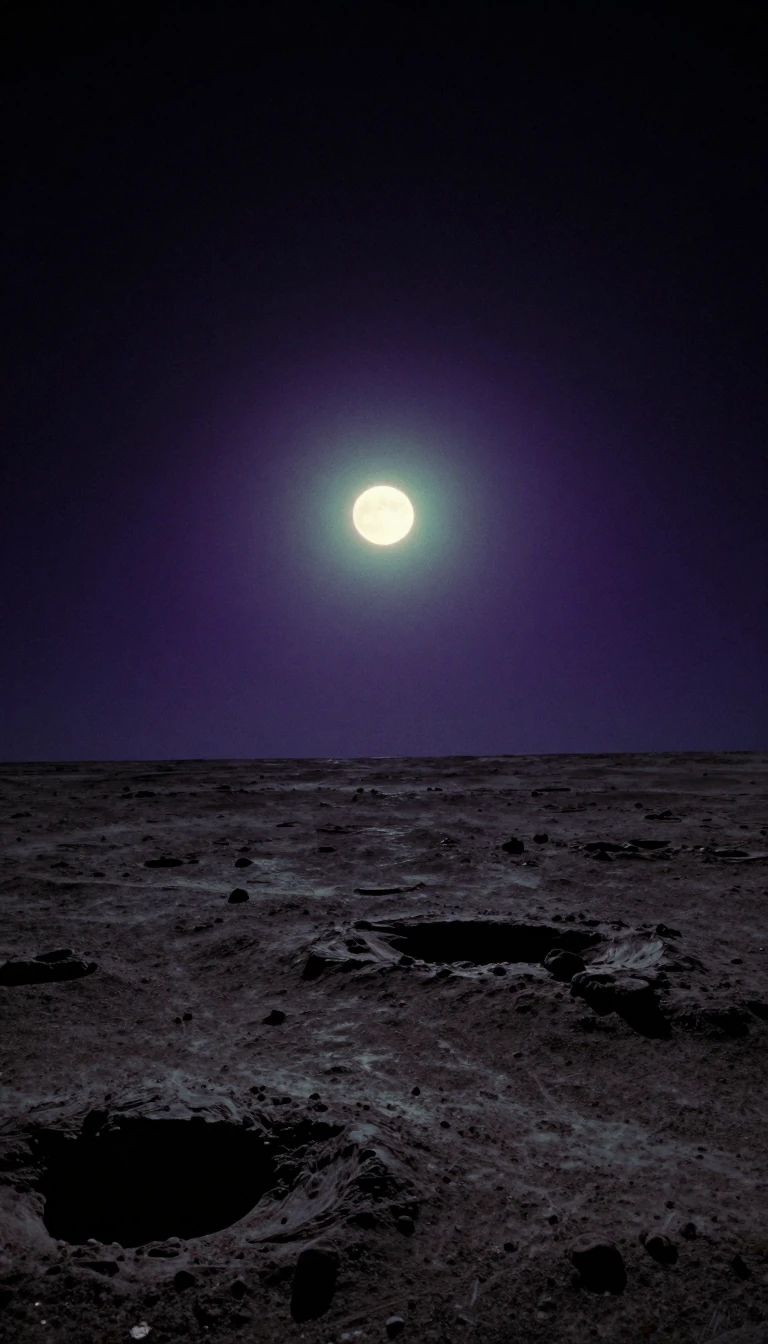
In short: The summer solstice marks the moment Earth’s axis reaches its maximum tilt toward the sun. While we often view it as the start of summer, this astronomical event is a global phenomenon that dictates the length of our days and the rhythm of seasons across both hemispheres simultaneously.
The solstice occurs because Earth rotates on an axis tilted at approximately 23.4 degrees relative to its orbital path around the sun. This tilt ensures that the Northern and Southern Hemispheres receive unequal sunlight throughout the year. When the Northern Hemisphere experiences its summer solstice—typically around June 21—it is tilted most directly toward the sun, resulting in the longest day of the year. Conversely, the Southern Hemisphere experiences its winter solstice at this exact moment, facing its longest night.
While modern meteorologists often define seasons by temperature records, ancient cultures relied on the sun’s position to track the year. The sun appears directly over the Tropic of Cancer, located at 23.5 degrees North latitude, during the Northern summer solstice. Interestingly, Earth’s distance from the sun is not the primary driver of these seasonal shifts; in fact, the planet reaches its farthest point from the sun roughly two weeks after the June solstice. Instead, the axial tilt remains the dominant force governing our annual climate cycles.
Humanity has long marked this celestial event with ritual and celebration. From the 5,000-year-old monument at Stonehenge, where the Heel Stone aligns with the rising sun, to the Slavic traditions of Ivan Kupala involving bonfires and floral wreaths, the solstice has inspired diverse cultural responses. In Fairbanks, Alaska, the Midnight Sun Game has been played annually since 1906, celebrating the extreme daylight that can reach 22.5 hours. These traditions reflect a deep, historical recognition of the sun's power, a reverence that persists today in festivals ranging from Scandinavian Midsummer to the reconstructed Incan Inti Raymi in Peru.
Opens the Intellect+ feed with this card first. Swipe up for the next one.
Sources
- Summary by Intellect · source: The science and symbolism behind the summer solstice
- Also: Summer solstice
To cite this card, link to https://intellectplus.co.uk/app/space-summer-solstice.
How we source, check and correct cards: Editorial standards.
General information, not professional advice. Spotted an error? Flag the card or see corrections and complaints.
Intellect Plus is a visual educational discovery platform for exploring fascinating facts and ideas. Brain Food, Not Brain Rot. What is Intellect Plus?
Related
More in Celestial sphere · More in Space · Latest · A–Z · All topics
