How a 16th-century language survives today with remarkably few changes
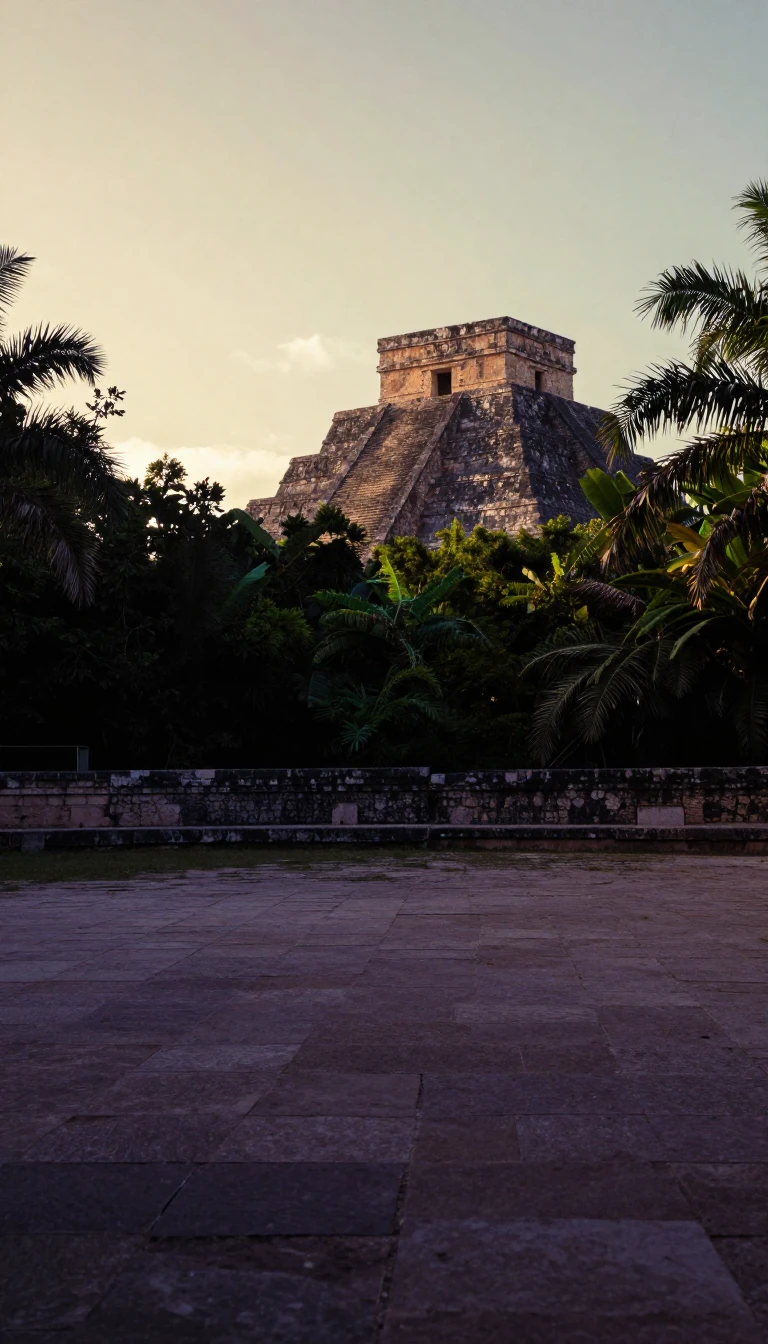
In short: Spoken across the Yucatán Peninsula, Yucatec Maya remains a living link to the past. While many languages evolve rapidly, this Mayan tongue has maintained significant continuity since the 1500s. Its unique phonology and complex grammatical structure offer a window into a resilient culture that persists in the modern era.
Yucatec Maya belongs to the Mayan language family and is primarily spoken across the Yucatán Peninsula, spanning parts of Mexico, Belize, and northern Guatemala. Linguists classify it within the Yucatecan branch, which also includes Mopan-Itza and Lacandon. While scholars use the term Yucatec Maya to distinguish it from other related languages like Kʼicheʼ, native speakers typically refer to their mother tongue simply as Maaya or Maaya t’aan.
The language is notable for its stability. Its modern form shows only minor shifts from the classical version documented in the 16th century. This continuity is preserved in written works from the late 1500s and early 1600s, such as the chronicles of Chilam Balam and the poetic songs of Dzitbalché, which utilized an orthography adapted from Spanish. These texts provide a vital record of the language as it existed during the early colonial period.
Grammatically, the language employs a sophisticated system of prefixes, suffixes, and infixes to denote tense, possession, and plurality. Its sound system is equally distinct, featuring glottalized consonants and the use of tones to differentiate between words that would otherwise sound identical. While Spanish influence introduced some loanwords—and with them, rare voiced stops like b, d, and g—the core structure of the language remains firmly rooted in its ancient origins.
Today, Yucatec Maya remains a vibrant mother tongue for hundreds of thousands of people. Despite centuries of colonial pressure, including attempts by Spanish authorities to reform the language for religious and social control, it continues to thrive. It serves as a testament to the endurance of Maya identity, standing as a living, evolving bridge between the technological achievements of the classical period and the realities of the 21st century.
Opens the Intellect+ feed with this card first. Swipe up for the next one.
Sources
- Summary by Intellect · source: Yucatec language | Maya, Mexico, Indigenous | Britannica
- Also: Yucatec Maya language
To cite this card, link to https://intellectplus.co.uk/app/places-yucatec-maya-language.
How we source, check and correct cards: Editorial standards.
General information, not professional advice. Spotted an error? Flag the card or see corrections and complaints.
Intellect Plus is a visual educational discovery platform for exploring fascinating facts and ideas. Brain Food, Not Brain Rot. What is Intellect Plus?
Related
More in World Heritage Sites · More in Countries & Cities · Latest · A–Z · All topics
