Zanzibar’s unique geography turned a remote Indian Ocean island into a global trade hub.
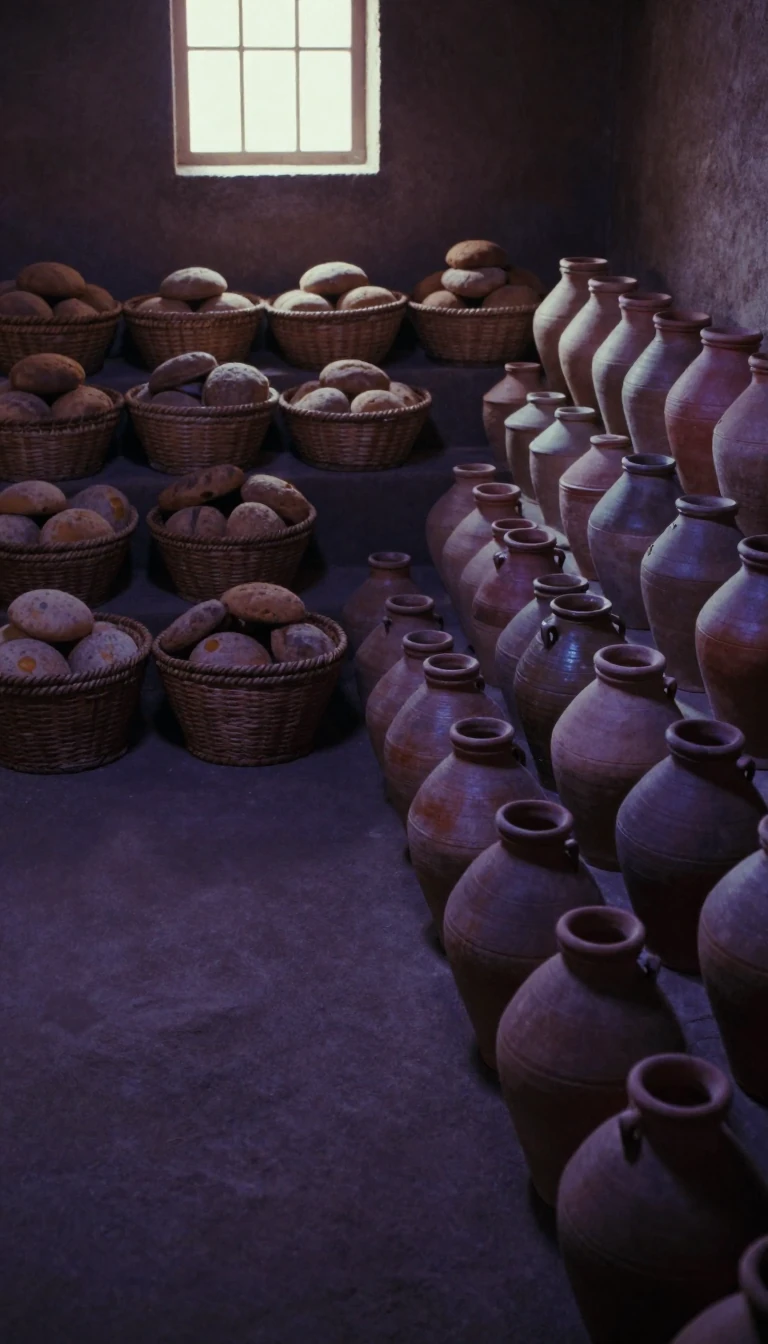
In short: Lying just 22 miles off the coast of East Africa, Zanzibar has long served as a vital entrepôt for merchants and explorers. Shaped by monsoon winds and a complex colonial history, this archipelago evolved from a collection of rural villages into a crossroads of African, Persian, and Arabian cultures.
Geologically, Zanzibar and its neighbor Pemba are remnants of the African continent. Pemba separated during the Miocene Epoch, while Zanzibar emerged later, during the Pliocene. The islands are built on a limestone foundation, which has weathered over millions of years into a landscape of ridges, coral outcrops, and fertile soils. This varied terrain supports a tropical climate with reliable rainfall, allowing for a lush environment that was once dominated by dense evergreen forests.
The island's strategic location in the Indian Ocean made it an inevitable destination for maritime traders. Beginning in the 10th century, Persian immigrants arrived, eventually merging with the local African population to form the Hadimu and Tumbatu peoples. This group, who often identify as Shirazi, adopted Islam and Persian traditions. Later, Omani Arabs established a dominant presence, utilizing the island as a base for commerce and expeditions. By the 16th century, the Portuguese briefly conquered the region, but their influence faded by the 17th century, leaving the Omani Arabs as the primary power.
Today, Zanzibar is a semi-autonomous region of the United Republic of Tanzania, a union formed in 1964. The island's economy, once defined by its role as a regional trade center, now relies heavily on agriculture—specifically cloves and coconuts—and fishing. While the population is diverse, the cultural legacy of centuries of migration remains visible in the widespread use of an Arabicized form of Swahili and the enduring social structures that evolved from the island's complex past.
Opens the Intellect+ feed with this card first. Swipe up for the next one.
Sources
- Summary by Intellect · source: Zanzibar | Geography, History, & Map | Britannica
- Also: Zanzibar Archipelago
To cite this card, link to https://intellectplus.co.uk/app/places-zanzibar-archipelago.
How we source, check and correct cards: Editorial standards.
General information, not professional advice. Spotted an error? Flag the card or see corrections and complaints.
Intellect Plus is a visual educational discovery platform for exploring fascinating facts and ideas. Brain Food, Not Brain Rot. What is Intellect Plus?
Related
More in Islands · More in Countries & Cities · Latest · A–Z · All topics
