Why the Windward Islands are named after the direction of the trade winds
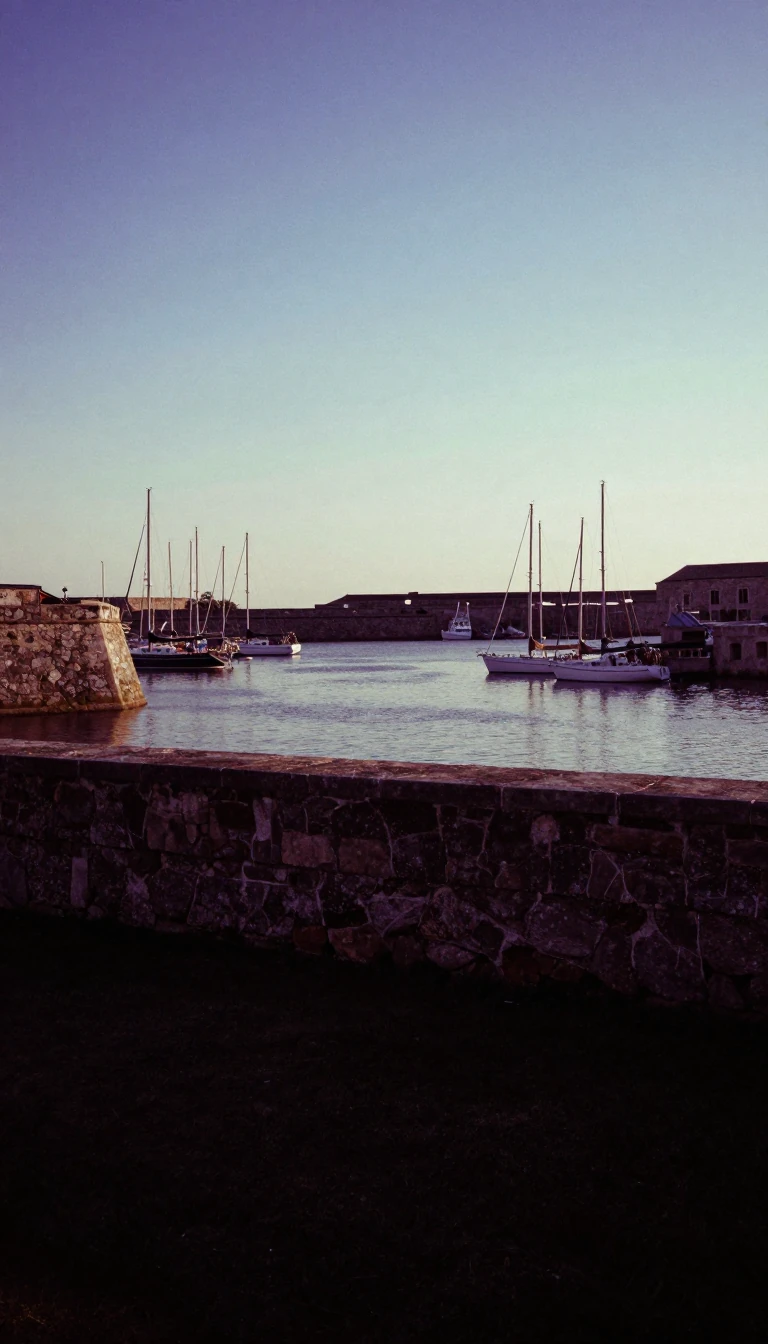
In short: In the age of sail, the path to the New World was dictated by the prevailing currents. Ships crossing the Atlantic from Africa encountered specific islands first, earning them a name based on their position relative to the wind. This simple navigational reality defined a major Caribbean geographic boundary.
The designation of the Windward Islands stems from the maritime experience of sailing vessels navigating the Atlantic. Because trade winds consistently blow from east to west, ships traveling to the Americas followed a route that brought them to the southeasternmost portion of the Lesser Antilles. Islands that stood directly in the path of these winds were labeled as windward, while those sheltered behind them were considered leeward.
This geographic classification is not universally fixed. In English usage, the Windward Islands span from Dominica down to Trinidad and Tobago. However, this definition has shifted over time. Dominica, for instance, was historically grouped with the Leeward Islands until a administrative transfer in 1940. Furthermore, the British colonial entity known as the Windward Islands, which existed from 1833 to 1960, once included territories like Barbados and Tobago that are no longer categorized within the group today.
Complexity increases when looking beyond English-speaking contexts. In French, Spanish, and Dutch, the term for these islands covers a much broader range of the Lesser Antilles, encompassing nearly the entire chain from the Virgin Islands to Trinidad and Tobago. Conversely, the islands situated along the Venezuelan coast, which English speakers identify as the Leeward Antilles, are referred to as the Leeward Islands in these other languages. This creates a distinct linguistic divide in how the Caribbean archipelago is mapped.
Today, the Windward Islands consist of four sovereign nations—Dominica, Saint Lucia, Saint Vincent and the Grenadines, and Grenada—alongside the French overseas département of Martinique. While these islands share a common name rooted in nautical history, their status as a group remains a blend of colonial administrative legacy, modern political sovereignty, and varied international cartographic traditions that differ significantly from the standard English model.
Opens the Intellect+ feed with this card first. Swipe up for the next one.
Sources
- Summary by Intellect · source: Windward Islands
- Also: Wikidata — Windward Islands · CC0
- Also: Wikidata — Windward Islands · CC0
To cite this card, link to https://intellectplus.co.uk/app/places-windward-islands.
How we source, check and correct cards: Editorial standards.
General information, not professional advice. Spotted an error? Flag the card or see corrections and complaints.
Intellect Plus is a visual educational discovery platform for exploring fascinating facts and ideas. Brain Food, Not Brain Rot. What is Intellect Plus?
Related
More in Islands · More in Countries & Cities · Latest · A–Z · All topics
