How a historic Hausa city-state became a modern powerhouse of Nigerian education and trade
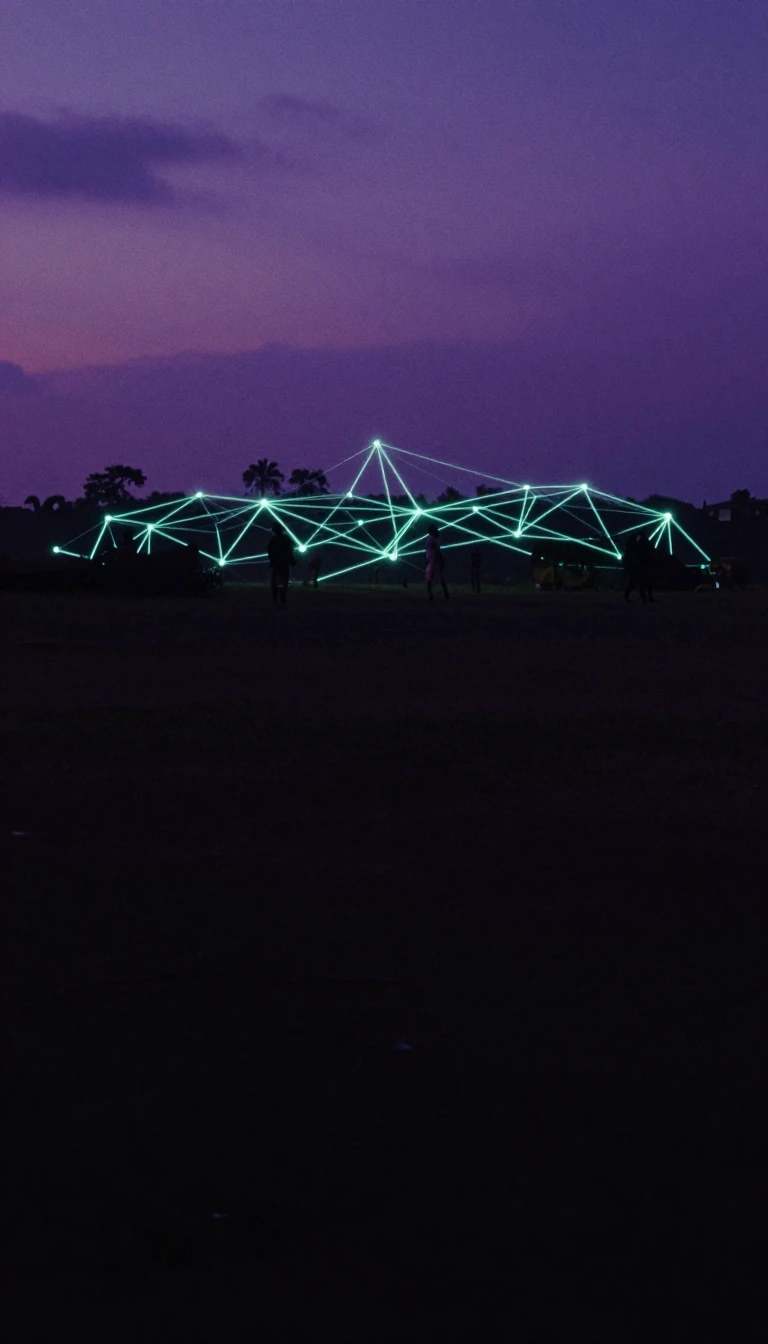
In short: Once the southernmost Hausa kingdom and a vital hub for Saharan caravans, Zaria has evolved into a sprawling metropolitan center. Today, it anchors Nigeria’s academic landscape, housing the nation’s largest university, while maintaining deep-rooted traditions of textile craftsmanship and vibrant cultural festivals that echo its centuries-old imperial past.
Originally known as Zazzau, Zaria was founded around 1536 and rose to prominence as a key trading destination. Its strategic position allowed it to flourish as a center for the slave and grain trade, connecting Saharan caravans to the wider region. Under the military leadership of Queen Amina, the kingdom expanded its influence, establishing a tributary network that included Kano and Katsina. However, the city’s sovereignty shifted over time, falling under the control of the Songhai Empire, the Jukun Kingdom, and eventually the Fulani following the 1805 Jihad, before British forces arrived in 1901.
The city’s modern identity is defined by its role as an intellectual and institutional hub. It hosts Ahmadu Bello University, the largest academic institution in Nigeria and the second-largest across Africa. This university has served as a training ground for the nation's elite, including five former heads of state. Beyond academia, Zaria remains a critical center for specialized training, hosting the Nigerian College of Aviation Technology and various military and technical institutes, which continue to shape the country's professional development.
Despite its modernization, Zaria retains a strong connection to its heritage. The old city, Birnin Zazzau, still features traditional adobe architecture, and the local economy remains anchored in agriculture and artisanal production, particularly its renowned hand-embroidered textiles. Cultural life is marked by the biannual Durbar festivals, where the Emir of Zazzau leads processions through the city. While the city faces contemporary challenges—such as water infrastructure issues and complex urban growth—it remains a vital intersection of Nigeria’s historical legacy and its future trajectory.
Opens the Intellect+ feed with this card first. Swipe up for the next one.
Sources
- Summary by Intellect · source: Zaria
- Also: Wikidata — Zaria · CC0
- Also: Wikidata — Zaria · CC0
To cite this card, link to https://intellectplus.co.uk/app/places-zaria.
How we source, check and correct cards: Editorial standards.
General information, not professional advice. Spotted an error? Flag the card or see corrections and complaints.
Intellect Plus is a visual educational discovery platform for exploring fascinating facts and ideas. Brain Food, Not Brain Rot. What is Intellect Plus?
Related
More in Africa · More in Countries & Cities · Latest · A–Z · All topics
