China's largest archipelago has evolved from a pirate stronghold into a modern economic hub.
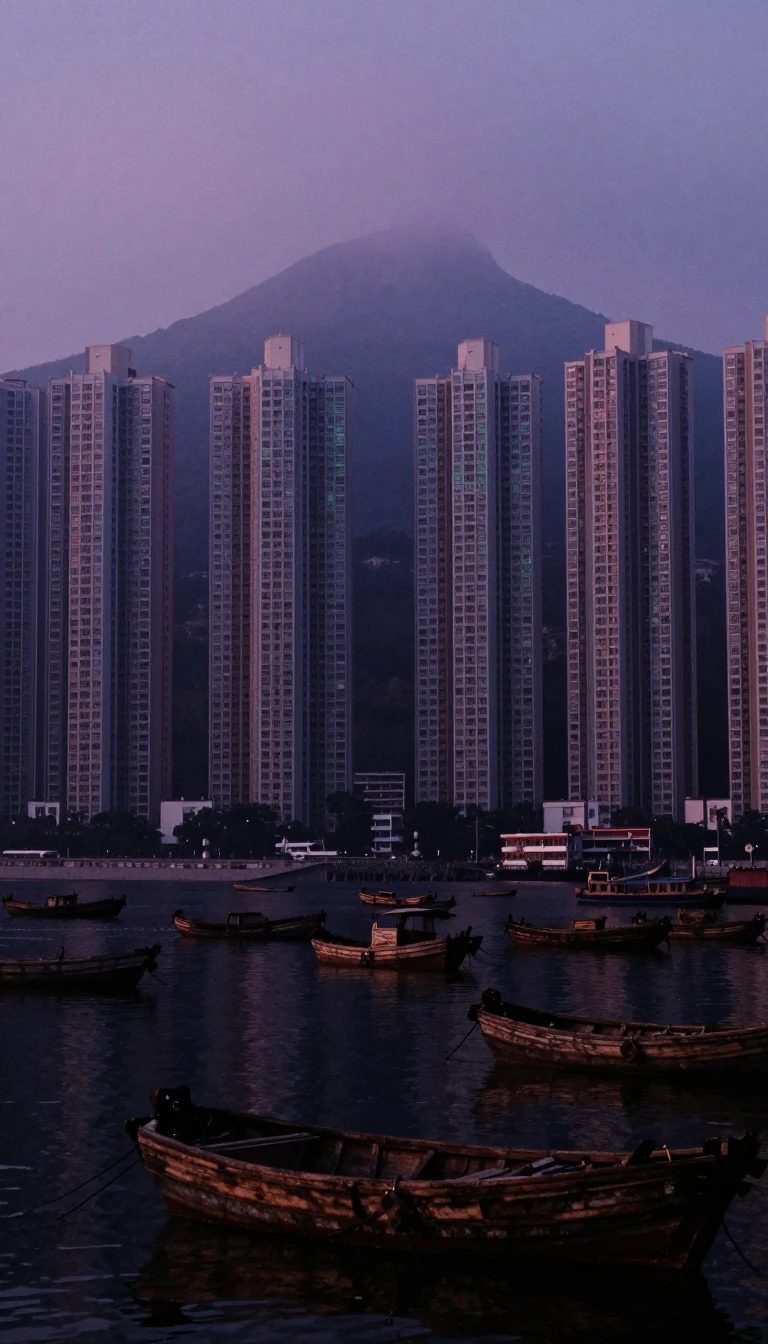
In short: Zhoushan, a sprawling collection of over 1,300 islands off the coast of Zhejiang, holds a complex history. Once a base for rebels and maritime outlaws, it served as a strategic bargaining chip during the Opium Wars and is now a state-level new area driving regional development in eastern China.
The Zhoushan archipelago has been inhabited for 6,000 years, dating back to the Neolithic Hemudu culture. Its geography, situated at the mouth of Hangzhou Bay, has long dictated its role in history. During the Spring and Autumn period, it was known as Yongdong and belonged to the state of Yue. By the Eastern Jin period, the islands had become a notorious base for piracy and uprisings, most notably Sun En’s rebellion around the year 400. This pattern of maritime resistance continued into the Ming dynasty, when pirates used the islands as a launchpad for raids as far inland as Nanjing between 1530 and 1560.
The islands’ strategic value caught the attention of Western powers during the Qing dynasty. In 1793, Lord Macartney unsuccessfully petitioned the Qianlong Emperor for an island base near Zhoushan. By the 19th century, the British captured the archipelago during the First Opium War. Captain Charles Elliot famously traded Zhoushan for Hong Kong in 1841, a decision that infuriated the British Foreign Secretary Palmerston, who dismissed Elliot for swapping a well-known port for what he considered a barren island. The British eventually returned the islands to China in 1846.
In the modern era, Zhoushan has undergone significant administrative shifts. It was promoted to a prefecture-level city in 1987 and designated a state-level new area in 2011. Today, the prefecture is home to over 1.15 million people, with the majority living in the Dinghai and Putuo districts. While the archipelago comprises 1,390 islands and over 3,300 reefs, only 103 are inhabited year-round. The region now balances its rich history—including the site of the 1942 Lisbon Maru sinking—with its status as a coastal economic open zone, serving as a vital node in China’s maritime infrastructure.
Opens the Intellect+ feed with this card first. Swipe up for the next one.
Sources
- Summary by Intellect · source: Zhoushan
- Also: Wikidata — Zhoushan · CC0
- Also: Wikidata — Zhoushan · CC0
To cite this card, link to https://intellectplus.co.uk/app/places-zhoushan.
How we source, check and correct cards: Editorial standards.
General information, not professional advice. Spotted an error? Flag the card or see corrections and complaints.
Intellect Plus is a visual educational discovery platform for exploring fascinating facts and ideas. Brain Food, Not Brain Rot. What is Intellect Plus?
Related
More in Major world cities · More in Countries & Cities · Latest · A–Z · All topics
