Once a seat of imperial power, this Chinese city now balances industry and history
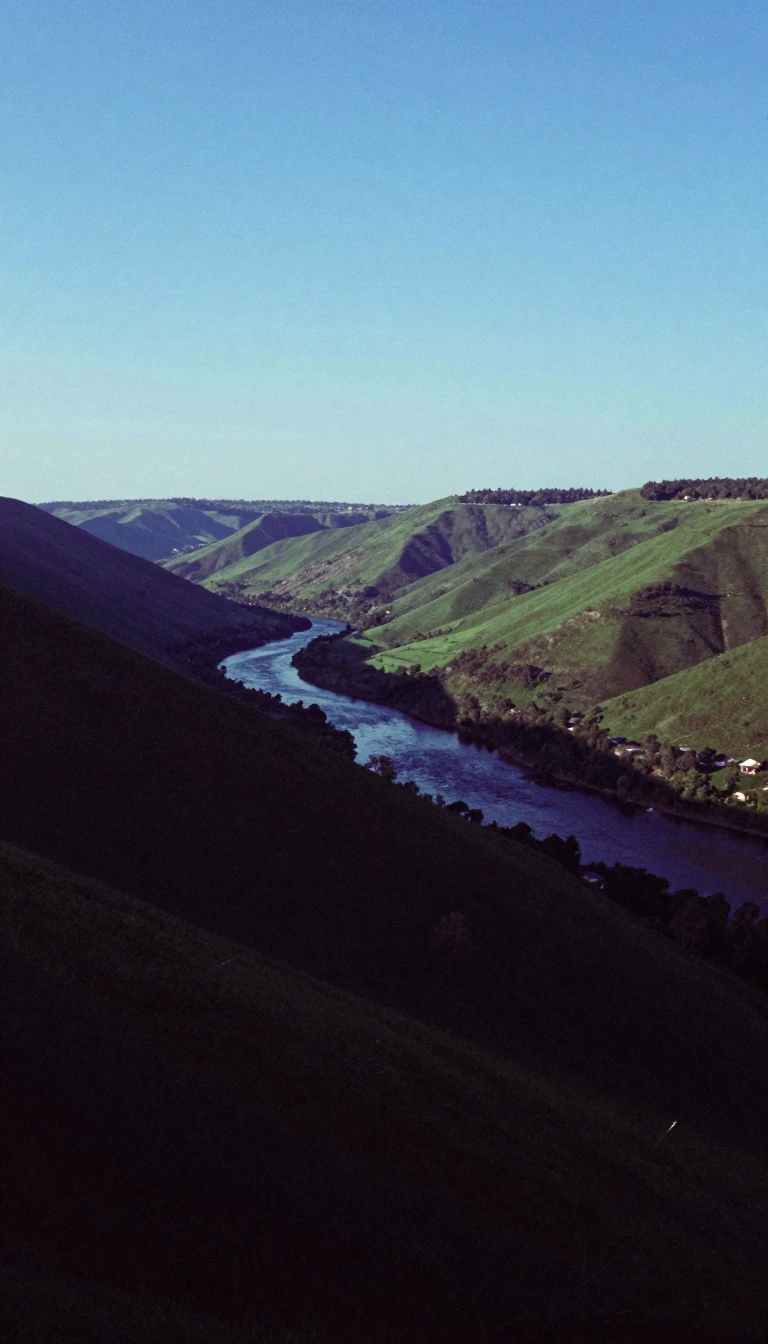
In short: Zhaoqing was once the administrative heart of southern China, hosting viceroys and Jesuit missions. Today, this prefecture-level city in Guangdong has transformed into a modern manufacturing hub and a popular destination for weekend travelers, all while preserving its ancient cultural relics and unique natural landscapes along the Xi River.
Zhaoqing, located 110 kilometers west of Guangzhou, holds a storied past. Renamed by Emperor Huizong in 1118, the city served as the administrative seat for the Viceroy of Liangguang during the 16th century. It was here that the Italian Jesuit Matteo Ricci established the first mission house on mainland China and drafted the first modern Chinese world map in 1584. Later, during the mid-17th century, the city functioned as the capital for the Southern Ming resistance under the Yongli Emperor.
The city’s geography is as significant as its history. Situated on the north shores of the Xi River, Zhaoqing is surrounded by mountainous terrain rich in minerals like copper, gold, and limestone. Its climate is humid subtropical, supporting a robust agricultural sector that produces rice, sugar cane, and various fruits. Modern development has focused on the Guangdong Zhaoqing High-tech Industrial Development Zone, which spans 109 square kilometers and includes the Dawang export processing area. These industrial efforts complement the city's role as a provincial college town.
Today, Zhaoqing is a major tourist destination, home to the Xinghu Sightseeing Area, which includes China’s first nature reserve at Dinghu Mountain. The city protects its heritage through six National Key Cultural Relic Protection Sites, including the ancient Song City Walls and the Seven Star Crags Carvings. Recent scientific discoveries have further highlighted the region's significance, with researchers confirming in 2025 that a crater in Deqing County is the largest known impact site from the Holocene era, dating back less than 11,700 years. Whether through its high-tech parks or its ancient temples, Zhaoqing remains a vital intersection of China’s past and future.
Beyond its cultural and industrial output, Zhaoqing has increasingly positioned itself as a center for sports and education. It hosted the 15th Games of Guangdong Province in 2018 and has become a regular venue for international marathons and high-diving competitions. With its network of railways and expressways connecting it to Hong Kong and Guangzhou, the city continues to integrate itself into the broader Pearl River Delta economy.
Opens the Intellect+ feed with this card first. Swipe up for the next one.
Sources
- Summary by Intellect · source: Zhaoqing
- Also: Wikidata — Zhaoqing · CC0
To cite this card, link to https://intellectplus.co.uk/app/places-zhaoqing.
How we source, check and correct cards: Editorial standards.
General information, not professional advice. Spotted an error? Flag the card or see corrections and complaints.
Intellect Plus is a visual educational discovery platform for exploring fascinating facts and ideas. Brain Food, Not Brain Rot. What is Intellect Plus?
Related
More in Major world cities · More in Countries & Cities · Latest · A–Z · All topics
