The chemist who synthesized over 200 psychedelics and became a legend of counterculture
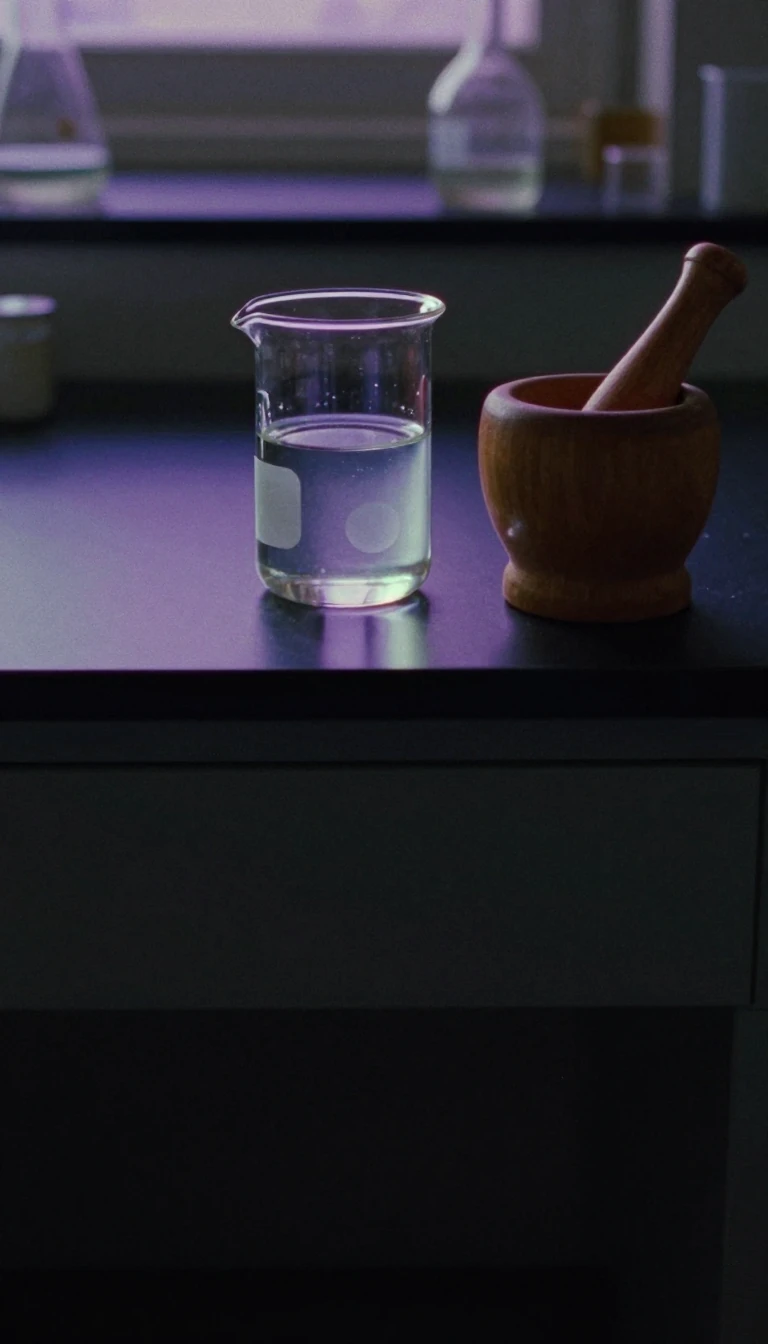
In short: Alexander Shulgin was a brilliant biochemist who turned his home lab into a hub for psychedelic discovery. By synthesizing hundreds of compounds and testing them on himself, he unlocked new frontiers of the human mind, eventually becoming known as the godfather of ecstasy and a polarizing figure in drug science.
Born in 1925, Alexander Shulgin was a Harvard-educated biochemist who initially made his mark at Dow Chemical by developing Zectran, the first biodegradable pesticide. His trajectory shifted in 1960 after a transformative experience with mescaline, which he described as revealing that the entire universe is contained within the human mind. This epiphany led him to dedicate his life to the study of psychoactive chemicals, believing they could catalyze access to internal states of consciousness.
Shulgin operated with remarkable autonomy, eventually establishing a home laboratory in Lafayette, California. He developed a systematic approach to discovery: synthesizing new phenethylamines and tryptamines, then testing them alongside a small group of trusted associates. He meticulously documented these experiences using the Shulgin Rating Scale. His most famous contributions include the rediscovery of MDMA—which he introduced to therapists for use in talk therapy—and the creation of drugs like 2C-B and DOM. His work was immortalized in his seminal books, PiHKAL and TiHKAL, co-authored with his wife, Ann Shulgin.
His relationship with authority was complex. For years, he maintained a friendly, collaborative rapport with the DEA, even teaching pharmacology seminars to agents. However, this changed after the 1991 publication of PiHKAL. The DEA raided his lab in 1993, claiming his books served as 'cookbooks' for illegal drug manufacturing. Shulgin was stripped of his license and fined. Despite the controversy, he remained a staunch advocate for cognitive liberty until his death in 2014 at age 88, leaving behind a legacy that continues to influence modern investigations into the medical potential of psychedelics.
Opens the Intellect+ feed with this card first. Swipe up for the next one.
Sources
- Summary by Intellect · source: Alexander Shulgin
To cite this card, link to https://intellectplus.co.uk/app/science-alexander-shulgin.
How we source, check and correct cards: Editorial standards.
General information, not professional advice. Spotted an error? Flag the card or see corrections and complaints.
Intellect Plus is a visual educational discovery platform for exploring fascinating facts and ideas. Brain Food, Not Brain Rot. What is Intellect Plus?
Related
More in Chemistry · More in Science · Latest · A–Z · All topics
