The First World War was not just a European conflict, but a global struggle.
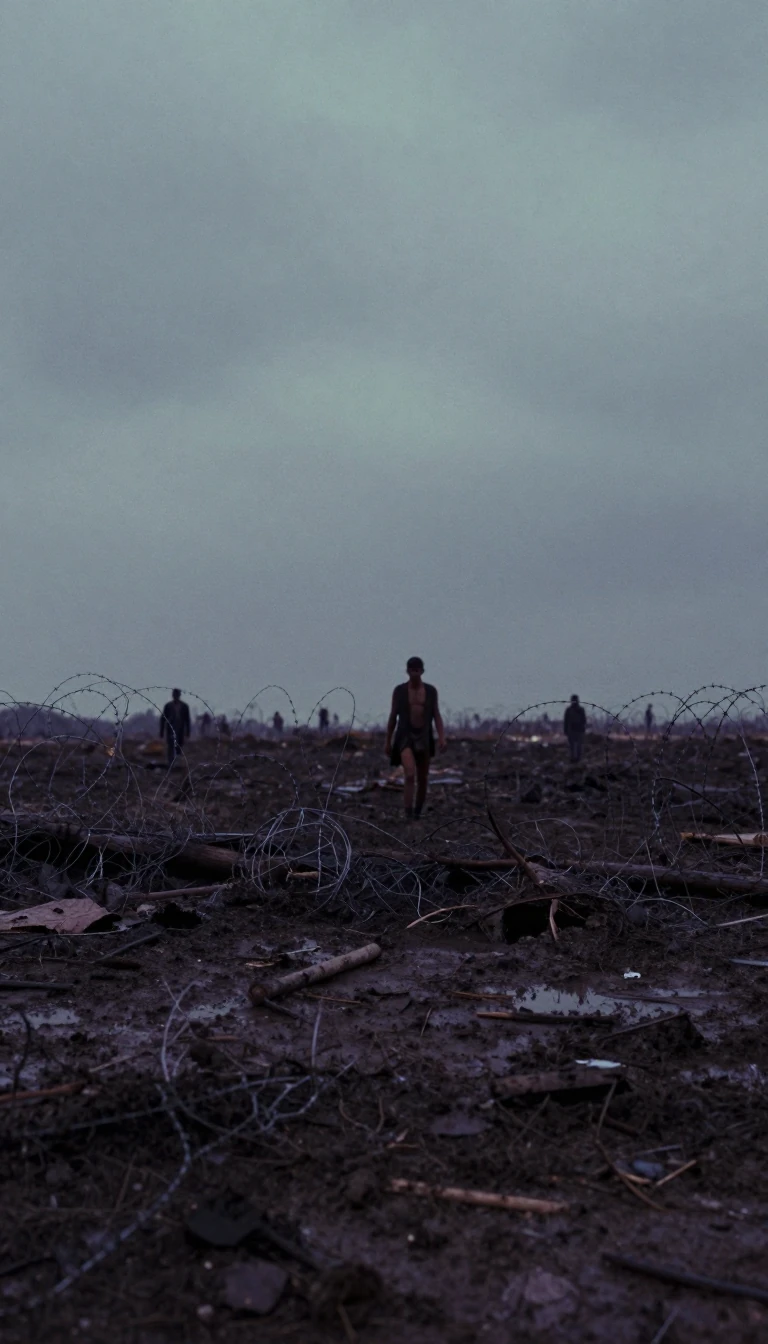
In short: While trenches defined the Western Front, the Asian and Pacific theatres saw naval hunts, colonial conquests, and internal revolts. From the Siege of Qingdao to the desperate flight of the German East Asia Squadron, the war reshaped power dynamics across the Pacific, drawing in nations from Siam to Japan.
The conflict in the Pacific began with the rapid dismantling of German colonial holdings. In 1914, New Zealand forces invaded German Samoa, while the Australian Naval and Military Expeditionary Force seized German New Guinea. Most of these territories fell without significant bloodshed, though the Battle of Bita Paka in September 1914 saw Australian troops engage German defenders and native police. By 1915, only a small, elusive German force led by Hermann Detzner remained in the interior of New Guinea, holding out until the war's end.
The most significant military engagement in the region was the Siege of Qingdao, China. In October 1914, a massive Japanese force, supported by British and Chinese troops, besieged the German base. The garrison, consisting of 3,650 German troops alongside Austro-Hungarian personnel, surrendered on 7 November 1914. Meanwhile, the German East Asia Squadron, led by Admiral Maximilian von Spee, attempted to escape across the Pacific. After winning the Battle of Coronel off Chile in November 1914, the squadron was destroyed in the Battle of the Falklands the following month.
The war also triggered internal upheaval. In 1916, Tsar Nicholas II’s conscription order for labor battalions sparked a violent revolt in Russian Turkestan. The subsequent suppression resulted in massacres and the expulsion of the Kyrgyz and Kazakh populations, with death tolls estimated between 100,000 and 270,000. Elsewhere, Siam entered the war in 1917 as an independent state, seizing German vessels and sending expeditionary forces to Europe. This move allowed Siam to participate in the Paris Peace Conference and join the League of Nations, marking a shift in its international standing.
Commerce raiding remained a persistent threat throughout the theatre. The SMS Emden, for instance, sank over thirty Allied merchant vessels and bombarded Madras, India, before being destroyed by HMAS Sydney. Similarly, the auxiliary cruiser SMS Seeadler operated across the Atlantic and Pacific until it was wrecked in French Polynesia in 1917. These actions, combined with the scuttling of the SMS Cormoran at Guam, illustrate how the war’s reach extended far beyond the primary battlefields of Europe.
Opens the Intellect+ feed with this card first. Swipe up for the next one.
Sources
- Summary by Intellect · source: Asian and Pacific theatre of World War I
To cite this card, link to https://intellectplus.co.uk/app/science-asian-and-pacific-theatre-of-world-war-i.
How we source, check and correct cards: Editorial standards.
General information, not professional advice. Spotted an error? Flag the card or see corrections and complaints.
Intellect Plus is a visual educational discovery platform for exploring fascinating facts and ideas. Brain Food, Not Brain Rot. What is Intellect Plus?
Related
More in Social scientists · More in Science · Latest · A–Z · All topics
