When pressure changes, your body’s internal gas pockets can become a dangerous liability.
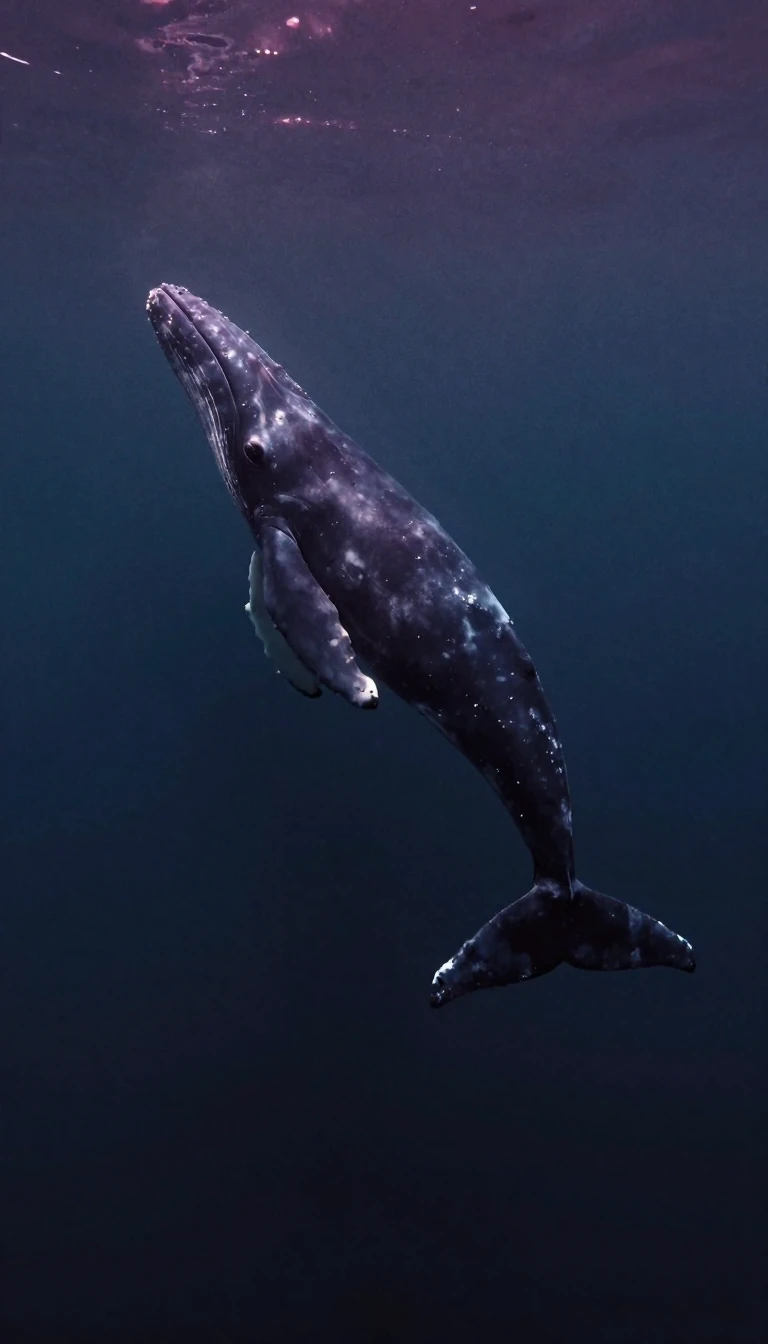
In short: Barotrauma occurs when the pressure difference between your body’s internal air spaces and the environment causes tissues to stretch or rupture. Whether you are a scuba diver, an airplane passenger, or a patient on a ventilator, rapid shifts in ambient pressure can turn trapped gas into a destructive force.
Barotrauma is defined by physical damage to tissues resulting from pressure imbalances between an internal gas-filled cavity and the surrounding environment. This injury typically occurs when gas volume is prevented from adjusting freely during descent or ascent, leading to mechanical stress that exceeds the tensile strength of surrounding tissues. While often associated with diving, the condition can also arise from shock waves, explosive decompression in pressurized vessels, or even mechanical ventilation in clinical settings.
In the context of diving, Boyle's law dictates that gas volume is inversely proportional to pressure. A descent of 10 metres underwater doubles the ambient pressure, halving the volume of any trapped gas. If a diver breathing from an underwater apparatus ascends while holding their breath, the gas in their lungs expands beyond its capacity, potentially causing pulmonary over-inflation syndrome. This can lead to severe complications such as pneumothorax, where air escapes into the pleural space, or arterial gas embolism, where gas enters the bloodstream and travels to vital organs.
Clinical barotrauma, particularly ventilator-induced lung injury, remains a significant concern in intensive care. Mechanical ventilation can over-expand alveoli, causing tissue rupture and inflammation. While limiting tidal volume and plateau pressure to below 30 to 50 millibars is a standard preventative measure, there is no universally safe pressure threshold. Diagnosis often requires a careful review of exposure history, as symptoms can mimic other conditions like heart attacks or pulmonary embolisms. Advanced imaging, including CT scans and echocardiography, is frequently employed to confirm the presence of gas bubbles or lung collapse, ensuring appropriate treatment is administered.
Opens the Intellect+ feed with this card first. Swipe up for the next one.
Sources
- Summary by Intellect · source: Barotrauma
To cite this card, link to https://intellectplus.co.uk/app/science-barotrauma.
How we source, check and correct cards: Editorial standards.
General information, not professional advice. Spotted an error? Flag the card or see corrections and complaints.
Intellect Plus is a visual educational discovery platform for exploring fascinating facts and ideas. Brain Food, Not Brain Rot. What is Intellect Plus?
Related
More in UK & Ireland: science · More in Science · Latest · A–Z · All topics
