Was the supreme Tagalog deity Bathala a real god or a linguistic misunderstanding?
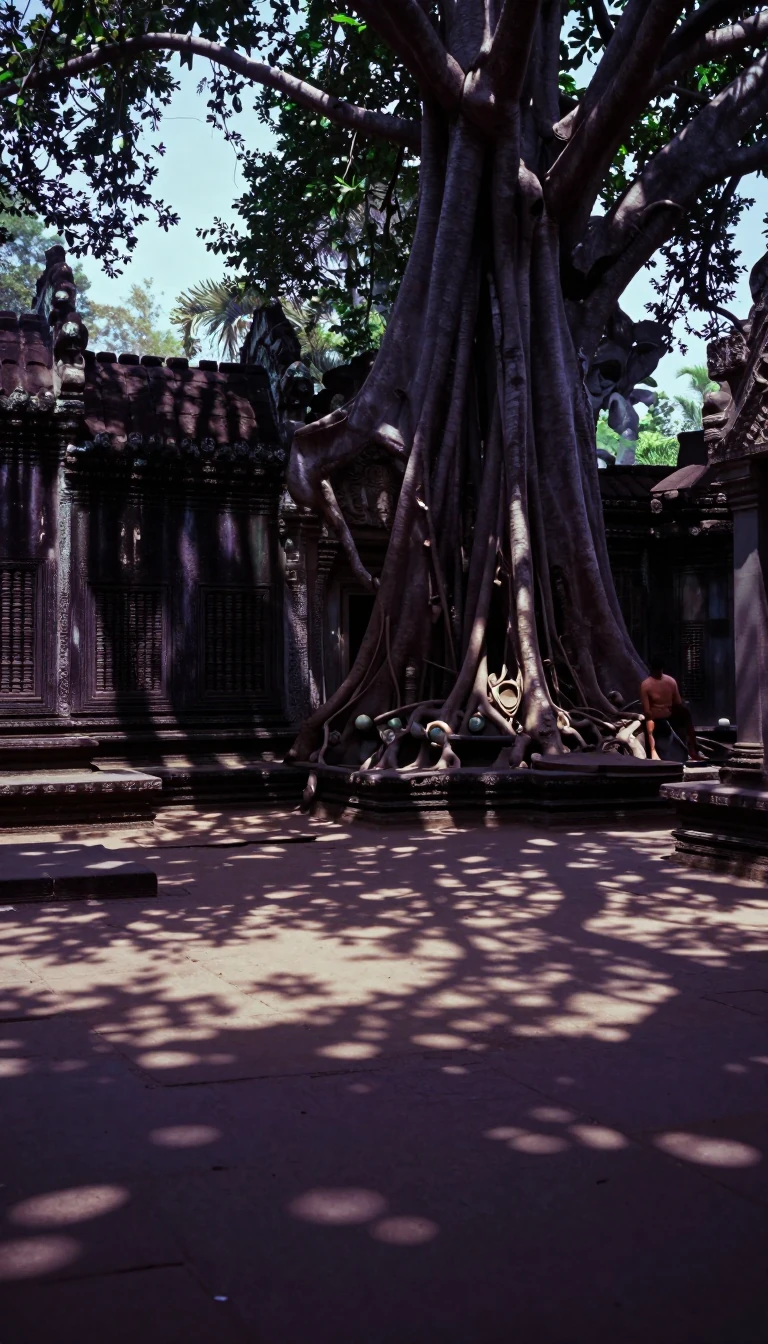
In short: For centuries, scholars have debated whether Bathala was the indigenous supreme creator of the Tagalog people or a misidentified title for lesser spirits. From Sanskrit roots to colonial-era mistranslations, the true nature of this deity remains obscured by the very historical records intended to document it.
In the indigenous religion of the ancient Tagalogs, Bathala was the transcendent ruler of the universe. However, the term was fluid; in earlier times, it applied to personal tutelary spirits, comets, and omen birds. Following the arrival of Spanish missionaries in the 16th century, the name was increasingly identified with the Christian God. By the 19th century, the term had largely vanished from common usage, only to be revived later by Filipinos studying historical chronicles.
The etymology of Bathala is heavily contested. Many scholars, including those citing 16th-century accounts, trace it to the Sanskrit 'bhattara' or 'bhattaraka', meaning 'noble lord'. Others, such as Dr. Pardo de Tavera, proposed a link to 'avatara', the descent of a god to earth. Conversely, Jose Rizal argued that 'Bathala' was a misreading of the phrase 'Bahala ang Maykapal', meaning 'God will take care'. Rizal believed the Tagalogs never spoke their god's name aloud, preferring the designation 'Maykapal', or 'Owner of what has been shaped'.
The relationship between Bathala and the anitos—ancestral spirits—is central to understanding Tagalog cosmology. While some early chroniclers viewed the religion as monotheistic, others, like William Henry Scott, argued that anitos were worshipped directly as gods. This ambiguity reflects the perspective of Spanish missionaries who often sought to categorize indigenous beliefs through a Christian lens. Whether Bathala was a distant, singular creator or a title shared among various spiritual entities remains a subject of intense scholarly scrutiny, complicated by the fact that the ancient Tagalogs did not leave written records of their own theology.
Opens the Intellect+ feed with this card first. Swipe up for the next one.
Sources
- Summary by Intellect · source: Bathala
To cite this card, link to https://intellectplus.co.uk/app/science-bathala.
How we source, check and correct cards: Editorial standards.
General information, not professional advice. Spotted an error? Flag the card or see corrections and complaints.
Intellect Plus is a visual educational discovery platform for exploring fascinating facts and ideas. Brain Food, Not Brain Rot. What is Intellect Plus?
Related
More in Social scientists · More in Science · Latest · A–Z · All topics
