Is the common disinfectant in your medicine cabinet a miracle worker or a hazard?
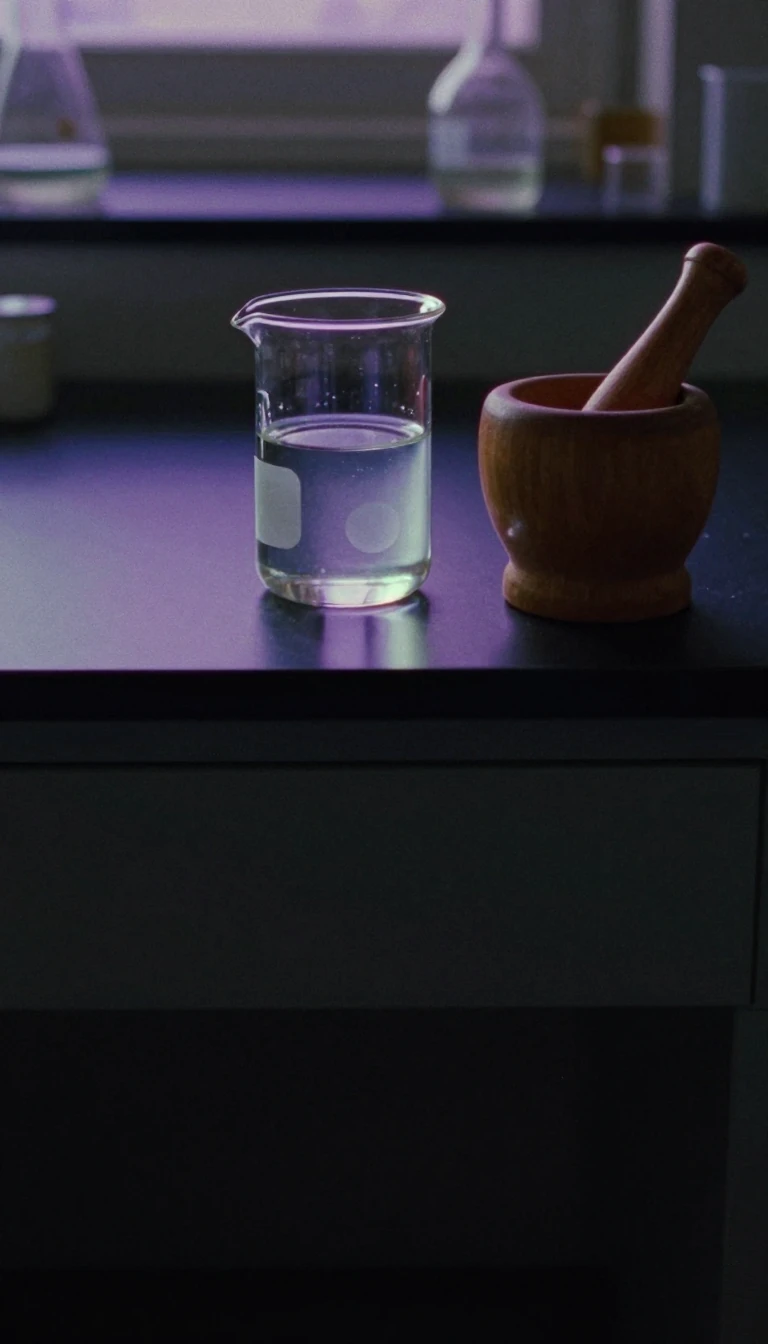
In short: Benzalkonium chloride is a ubiquitous antimicrobial found in everything from hand sanitizers to eye drops. While it offers persistent protection against pathogens, its widespread use is increasingly scrutinized. Scientists are debating its long-term safety, potential toxicity, and whether it truly outperforms traditional alcohol-based alternatives in every clinical setting.
Benzalkonium chloride (BZK) is a cationic surfactant and quaternary ammonium compound that has served as a pharmaceutical preservative and biocide since the 1940s. Its mechanism of action is potent: it disrupts cellular membrane lipid bilayers and deactivates critical enzymes, effectively compromising the structural integrity of bacteria, fungi, and some viruses. Because it is fast-acting and provides residual antimicrobial activity for up to four hours—far longer than the ten-minute protection window of ethanol—it has become a staple in consumer products ranging from nasal sprays to industrial cleaners.
Despite its utility, the compound is a known irritant. At concentrations above 0.1%, it can cause primary skin irritation and damage to mucosal tissues. Research has linked occupational exposure to the development of asthma, and its use in ophthalmic preparations is increasingly controversial due to potential toxicity to the corneal endothelium. In 2011, safety concerns even led researchers to exclude BZK-based sanitizers from a clinical trial involving schoolchildren. Furthermore, while some studies suggest BZK is highly effective against SARS-CoV-2, the CDC maintains that it lacks the reliability of alcohol-based alternatives against certain pathogens.
The regulatory status of BZK remains in a state of flux. The U.S. Food and Drug Administration (FDA) currently classifies it as a Category III ingredient, meaning available data are insufficient to definitively label it as safe and effective. While the FDA deferred a ban on BZK in 2016 and again in 2019 to allow for further study, it continues to acknowledge that more evidence is required. As environmental microorganisms evolve reduced susceptibility by modifying their membranes, the long-term efficacy of this chemical workhorse faces new challenges, forcing a re-evaluation of its role in modern hygiene and medicine.
Opens the Intellect+ feed with this card first. Swipe up for the next one.
Sources
- Summary by Intellect · source: Benzalkonium chloride
To cite this card, link to https://intellectplus.co.uk/app/science-benzalkonium-chloride.
How we source, check and correct cards: Editorial standards.
General information, not professional advice. Spotted an error? Flag the card or see corrections and complaints.
Intellect Plus is a visual educational discovery platform for exploring fascinating facts and ideas. Brain Food, Not Brain Rot. What is Intellect Plus?
Related
More in Salts and ions · More in Science · Latest · A–Z · All topics
