How a medieval London food market survived centuries of royal charters and railway expansion
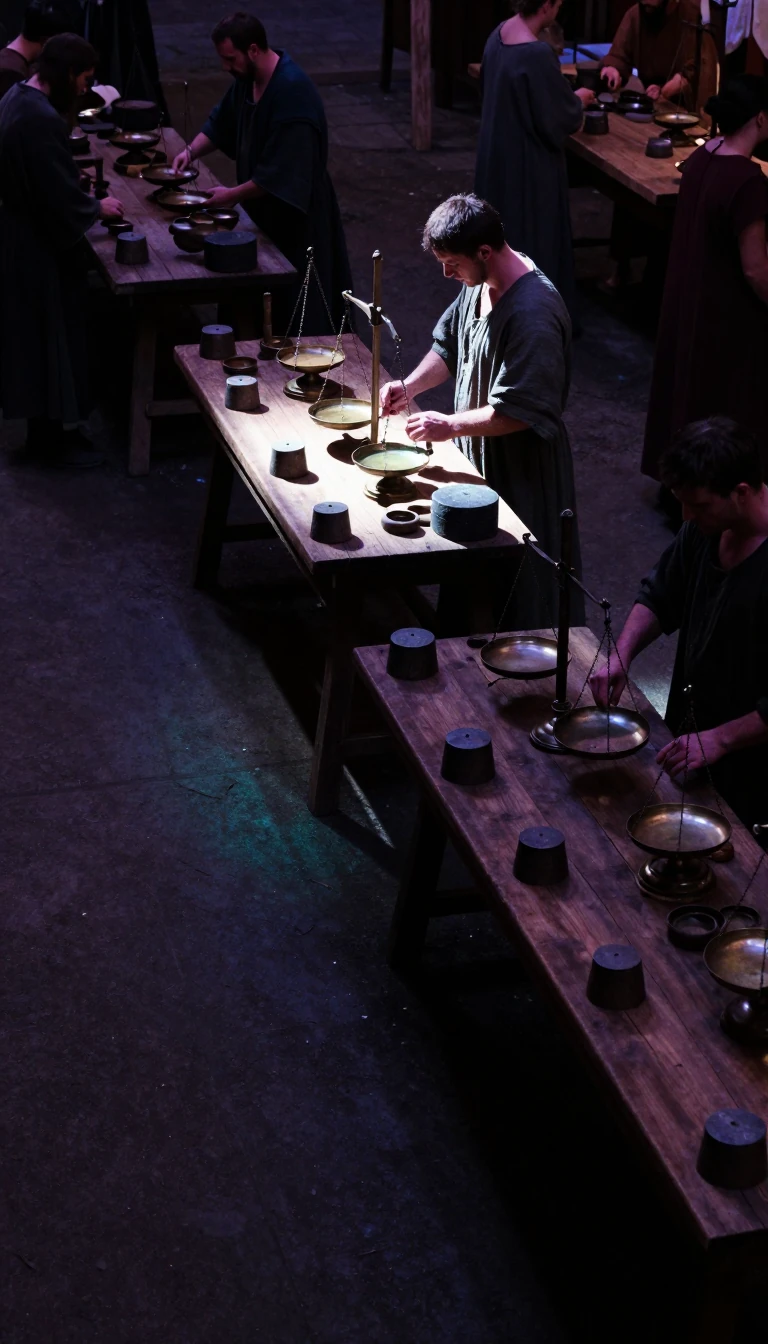
In short: Borough Market has anchored Southwark since at least the 12th century, evolving from a chaotic wholesale hub into a premier retail destination. Its survival is a masterclass in adaptation, balancing ancient legal trusts and railway viaducts with the modern demand for artisanal food and global cultural recognition.
The origins of Borough Market are deeply intertwined with the history of Southwark, which Snorri Sturluson described as a great market town as early as 1014. By 1276, a market existed near London Bridge, eventually falling under the control of the City of London via a royal charter from Edward VI in 1550. This administrative grip was so rigid that when the market caused severe traffic congestion, it required an act of Parliament in 1754 to abolish it entirely. However, the local community quickly bypassed this through the Southwark Market (No. 2) Act 1755, allowing the market to relocate to Rochester Yard in 1756.
Throughout the 19th century, the market thrived as a strategic wholesale hub near the riverside wharves of the Pool of London. Its physical structure reflects this industrial past, with buildings designed by Henry Rose in 1851 and later Art Deco additions in 1932. The market’s relationship with infrastructure is unique; because the trustees could not legally alienate their property, railway companies were only granted flying leaseholds for viaducts. This arrangement persists today, where the market continues to operate beneath railway arches, receiving compensation whenever expansion projects like the Thameslink Programme require widening the tracks.
The market’s modern identity emerged in the mid-1990s when trustees pivoted from wholesale to retail. By inviting specialized traders and hosting events like the 1998 Food Lovers' Fair, they successfully rebranded the site. Today, it operates as a charitable trust managed by local volunteer trustees. While it has faced challenges—including the 2011 expulsion of traders for operating elsewhere and the tragic 2017 London Bridge attack—it remains a cultural landmark, serving as a frequent filming location for major motion pictures and a vibrant center for specialty food commerce.
Opens the Intellect+ feed with this card first. Swipe up for the next one.
Sources
- Summary by Intellect · source: Borough Market
To cite this card, link to https://intellectplus.co.uk/app/science-borough-market.
How we source, check and correct cards: Editorial standards.
General information, not professional advice. Spotted an error? Flag the card or see corrections and complaints.
Intellect Plus is a visual educational discovery platform for exploring fascinating facts and ideas. Brain Food, Not Brain Rot. What is Intellect Plus?
Related
More in Social scientists · More in Science · Latest · A–Z · All topics
