How a self-taught taxidermist transformed museum exhibits from stiff displays into living art
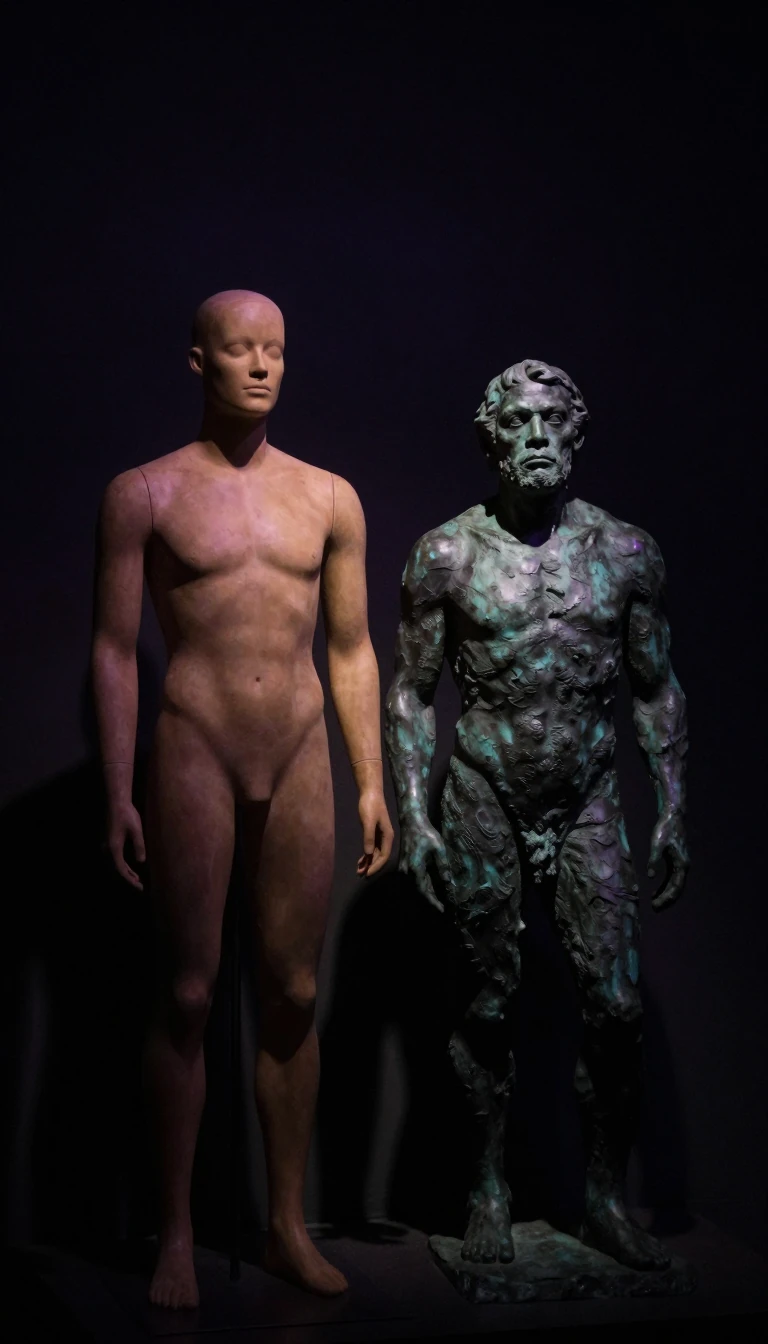
In short: Carl Akeley revolutionized natural history museums by replacing static, lifeless animal mounts with anatomically precise, dynamic dioramas. Beyond his artistic taxidermy, he was a prolific inventor whose patents included a mobile motion picture camera and the construction technique known as shotcrete, forever changing both wildlife documentation and modern infrastructure.
Born in 1864 on a New York farm, Carl Akeley received only three years of formal schooling before apprenticing at Ward's Natural Science Establishment. He eventually became a pioneering figure in taxidermy, moving away from the stiff, unnatural poses common in Victorian-era exhibits. At the Field Museum of Natural History, where he served as chief taxidermist from 1896 to 1909, Akeley developed a sophisticated method for creating lightweight, hollow mannequins. By sculpting detailed clay models based on precise field measurements and photographs, he ensured his mounts captured the exact musculature, veins, and wrinkles of living animals in motion.
Akeley's process was as rigorous as it was artistic. He would first create a 1/12th scale clay model, build a complex armature of wire and bone, and then sculpt a full-scale version in clay. This was cast in plaster to create a mold, which was then lined with papier-mâché and wire mesh to produce a sturdy, lightweight form. This mannequin was then covered with the animal's original pelt, sewn so seamlessly that the seams were invisible. His most famous works, such as the 'Fighting African Elephants,' set a new standard for lifelike representation in museum halls.
Beyond the museum, Akeley was a restless inventor, holding over 30 patents. He developed the 'cement gun' to repair the Field Columbian Museum, a technique now known as shotcrete. His mobile Akeley Camera, patented in 1915, became essential for aerial photography during World War I and was widely used by Hollywood studios. While his early career involved extensive hunting for specimens, his 1921 expedition to the Virunga Mountains changed his perspective. After observing gorillas in their native habitat, he realized they were peaceful, vegetarian creatures rather than the aggressive beasts depicted in media. He spent his final years advocating for their protection, successfully inspiring the creation of Africa's first national park, Virunga National Park, in 1925.
Opens the Intellect+ feed with this card first. Swipe up for the next one.
Sources
- Summary by Intellect · source: Carl Akeley
To cite this card, link to https://intellectplus.co.uk/app/science-carl-akeley.
How we source, check and correct cards: Editorial standards.
General information, not professional advice. Spotted an error? Flag the card or see corrections and complaints.
Intellect Plus is a visual educational discovery platform for exploring fascinating facts and ideas. Brain Food, Not Brain Rot. What is Intellect Plus?
Related
More in Biology · More in Science · Latest · A–Z · All topics
