The volatile plastic that birthed the film industry and replaced ivory in Victorian homes.
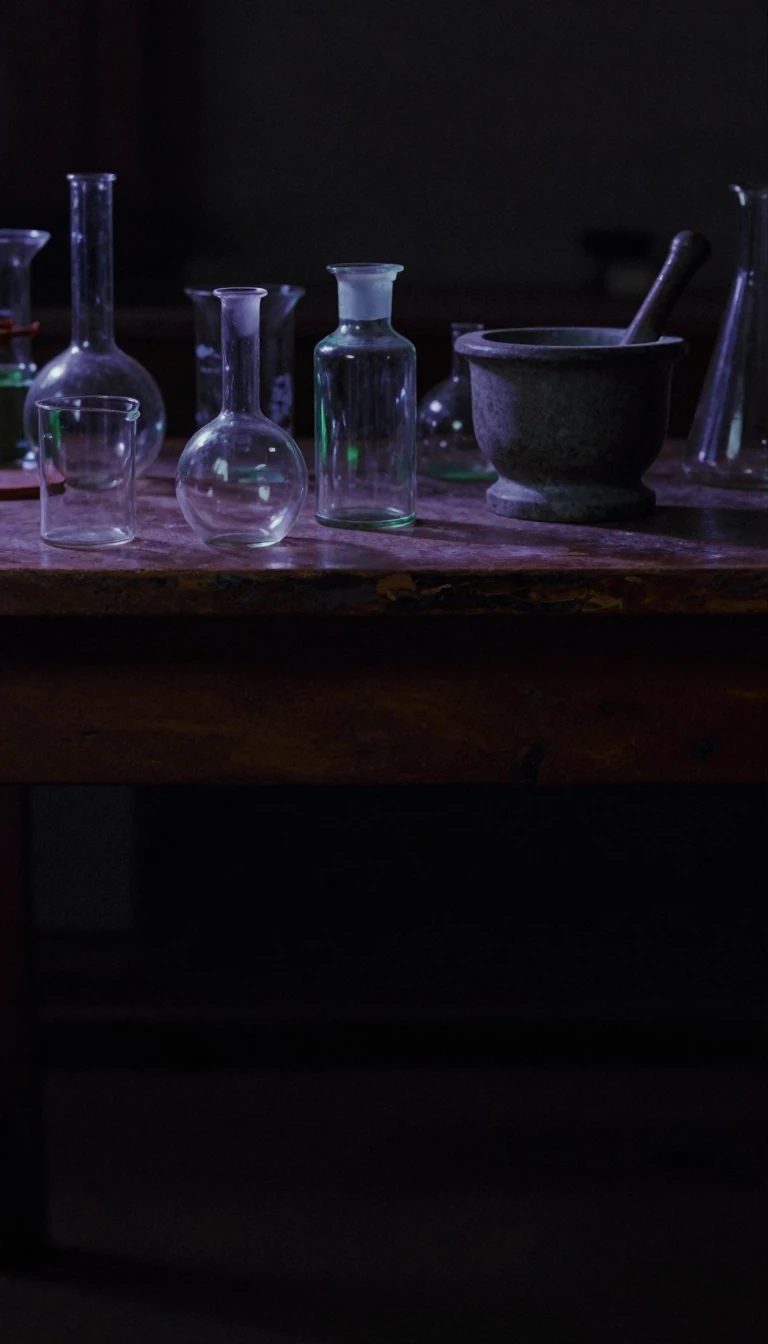
In short: Before modern synthetics, celluloid revolutionized manufacturing by mimicking ivory and enabling motion pictures. Yet, this groundbreaking material was notoriously dangerous. Its high flammability and tendency to self-destruct through a process known as celluloid rot eventually forced its replacement by safer alternatives, leaving behind a legacy of both innovation and instability.
Celluloid, a mixture of nitrocellulose and camphor, emerged in the mid-19th century as a transformative material. Alexander Parkes, an English inventor, is credited with its discovery, having patented 'Parkesine' in 1862. Although Parkes struggled to commercialize his invention, the material found new life when John Wesley Hyatt and his brother Isaiah refined the process in the United States. By 1872, Isaiah Hyatt had dubbed the material 'celluloid,' and the brothers successfully utilized it to manufacture everything from billiard balls to combs, effectively creating a cheaper, lighter alternative to ivory.
The material's most significant impact was on the nascent film industry. By the late 1880s, flexible celluloid strips provided the necessary base for motion-picture photography, a breakthrough that allowed for the development of cinema. However, celluloid was inherently hazardous. It was highly flammable, capable of self-igniting when exposed to temperatures exceeding 150 °C, such as the heat from a movie projector beam. This volatility, combined with the expensive and dangerous manufacturing process, eventually led to the industry's shift toward acetate safety film in the 1950s.
Beyond its flammability, celluloid suffers from an inherent chemical instability known as 'celluloid rot.' As the material ages, the camphor plasticizer is squeezed out or undergoes sublimation, leaving behind brittle nitrocellulose. Exposure to heat, moisture, or ultraviolet light accelerates this decay, causing the release of nitrogen gases. Collectors often observe that this deterioration seems contagious, as gases released by a decaying object may trigger rot in nearby celluloid items. While largely replaced by materials like Bakelite, celluloid remains in use for specific applications, such as guitar picks and accordion covers, where its acoustic properties and moldability are still valued.
Opens the Intellect+ feed with this card first. Swipe up for the next one.
Sources
- Summary by Intellect · source: Celluloid
- Also: Western Historical Quarterly — Celluloid Indians: Native Americans and Film · CC0 (metadata)
To cite this card, link to https://intellectplus.co.uk/app/science-celluloid.
How we source, check and correct cards: Editorial standards.
General information, not professional advice. Spotted an error? Flag the card or see corrections and complaints.
Intellect Plus is a visual educational discovery platform for exploring fascinating facts and ideas. Brain Food, Not Brain Rot. What is Intellect Plus?
Related
More in Chemistry · More in Science · Latest · A–Z · All topics
