How a Tennessee city became the unlikely epicenter of a massive industrial copper operation.
In short: Cleveland, Tennessee, transformed from a small agricultural settlement into a critical manufacturing hub. During the Civil War, its strategic rail lines and copper production made it a high-stakes target for Union forces, eventually fueling a post-war industrial boom that defined the region's economic identity for over a century.
The geography of Cleveland, situated within the Ridge-and-Valley Appalachians, played a pivotal role in its development. The city sits among parallel ridges, such as Candies Creek and Blue Springs, which historically facilitated settlement due to lower elevations. This terrain, however, also dictated the city's expansion, with the Tennessee Valley Divide acting as a natural barrier to growth on its southern and eastern fringes.
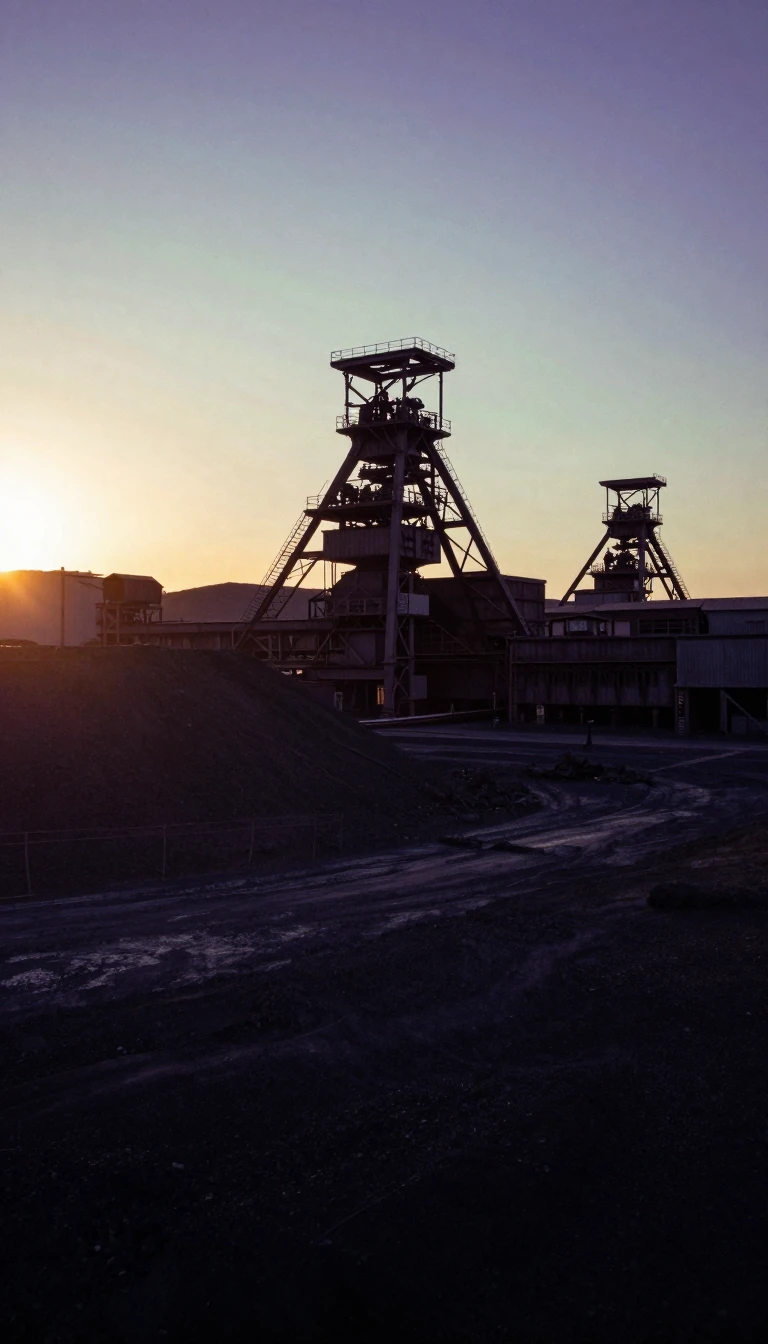
Industrialization arrived in the mid-19th century, spurred by the discovery of copper in the nearby Copper Basin. Julius Eckhardt Raht, a German-born engineer, established mining headquarters in Cleveland, turning the city into a vital logistics point where copper was transported by wagon and loaded onto trains. By 1878, the mines produced 24 million pounds of copper, cementing the city's status as an industrial center.
The city's strategic importance peaked during the Civil War. President Abraham Lincoln famously identified the railroad at Cleveland as being as vital as Richmond. In November 1863, Union cavalry destroyed the copper rolling mill, which had been manufacturing artillery shells for the Confederacy. This strike was devastating, as the Ducktown mines provided approximately 90% of the Confederate army's copper supply.
Following the war, Cleveland recovered rapidly, outpacing many other Southern cities. The late 19th and 20th centuries saw the establishment of numerous factories, including stove and chair companies, and eventually major post-World War II industrial expansion. Today, the city remains a significant manufacturing hub, having evolved from a site of indigenous villages and Cherokee territory into a modern industrial landscape.
Opens the Intellect+ feed with this card first. Swipe up for the next one.
Sources
- Summary by Intellect · source: Cleveland, Tennessee
To cite this card, link to https://intellectplus.co.uk/app/science-cleveland-tennessee.
How we source, check and correct cards: Editorial standards.
General information, not professional advice. Spotted an error? Flag the card or see corrections and complaints.
Intellect Plus is a visual educational discovery platform for exploring fascinating facts and ideas. Brain Food, Not Brain Rot. What is Intellect Plus?
Related
More in Physics · More in Science · Latest · A–Z · All topics
