Can a mechanical clock force humans to think in centuries?
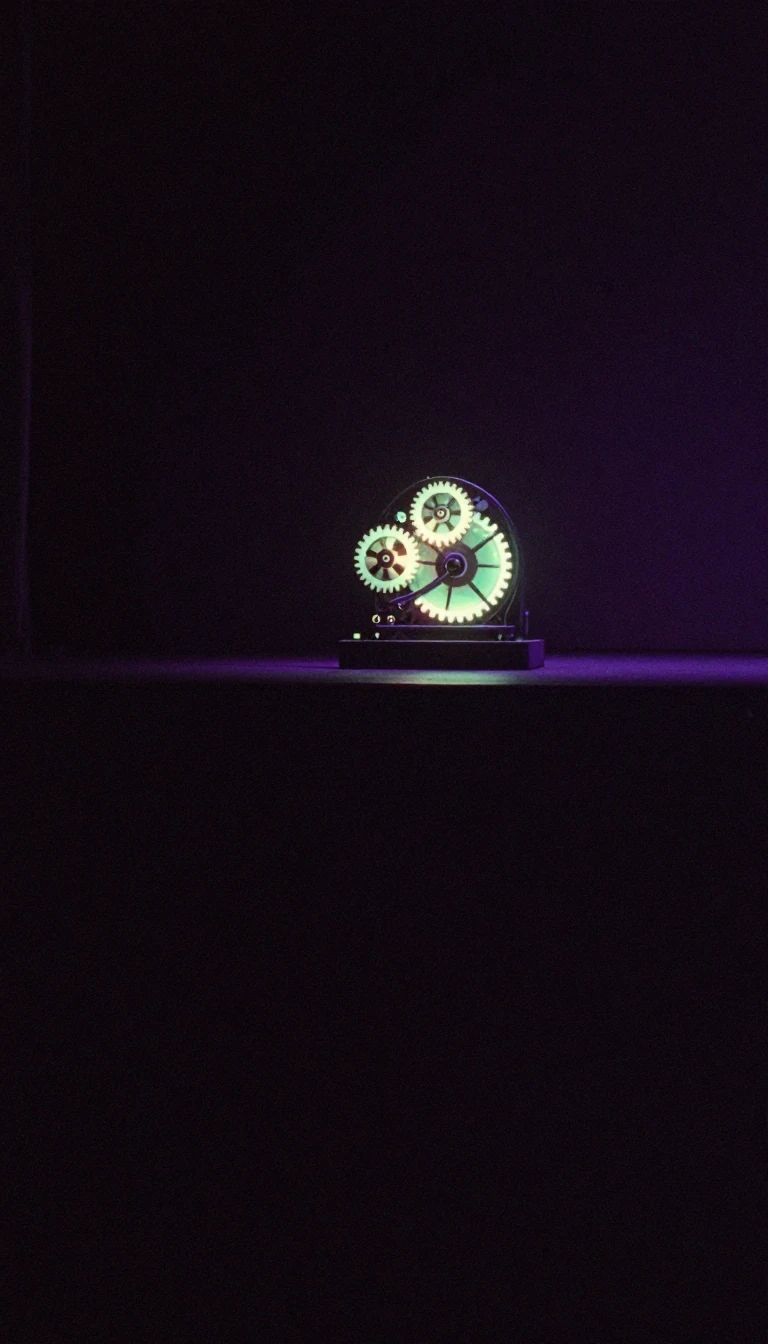
In short: Modern life feels pathologically short-sighted, driven by instant notifications and quarterly profits. To counter this, thinkers proposed a radical solution: a mechanical clock designed to tick for 10,000 years. It is not just a timepiece; it is a physical manifesto against the erosion of our long-term perspective.
Conceived in the late 1980s and early 1990s by Danny Hillis and Stewart Brand, the Clock of the Long Now was born from a concern that civilization was losing its ability to plan for the future. Brand argued that human attention spans were being compressed by technological acceleration and market-driven economics. To fix this, he proposed a 'balancing corrective'—a mechanism that would encourage 'deep time' thinking, where the long term is measured in centuries rather than days.
The engineering requirements are extreme. To survive 10,000 years, the clock must be maintainable using only Bronze Age technology, ensuring that future humans can repair it without specialized modern tools. It must also be 'transparent,' meaning its inner workings are visible and understandable without disassembly. To prevent it from becoming a target for scavengers, it contains no precious metals or jewels. It is powered by falling weights that require manual winding every few days, though it can also capture energy from temperature changes between day and night on a mountain top.
The clock functions as a mechanical computer, inspired by the 19th-century designs of Charles Babbage. It updates a dial display showing the sun's position, lunar phases, and the precession of the equinoxes. While the fastest layers of human life—like fashion—innovate rapidly, the clock represents the 'slow layers' of infrastructure, culture, and nature. By creating a public icon of deep time, the project aims to reframe how we perceive our responsibility to the future, much like the 1968 'Earthrise' photograph reframed our view of the planet's fragility.
Opens the Intellect+ feed with this card first. Swipe up for the next one.
Sources
- Summary by Intellect · source: The Clock Of The Long Now - Science Museum Blog
- Also: Clock of the Long Now
To cite this card, link to https://intellectplus.co.uk/app/science-clock-of-the-long-now.
How we source, check and correct cards: Editorial standards.
General information, not professional advice. Spotted an error? Flag the card or see corrections and complaints.
Intellect Plus is a visual educational discovery platform for exploring fascinating facts and ideas. Brain Food, Not Brain Rot. What is Intellect Plus?
Related
More in Basics · More in Science · Latest · A–Z · All topics
