How a Dorset village became a powerhouse of stone, clay, and political intrigue
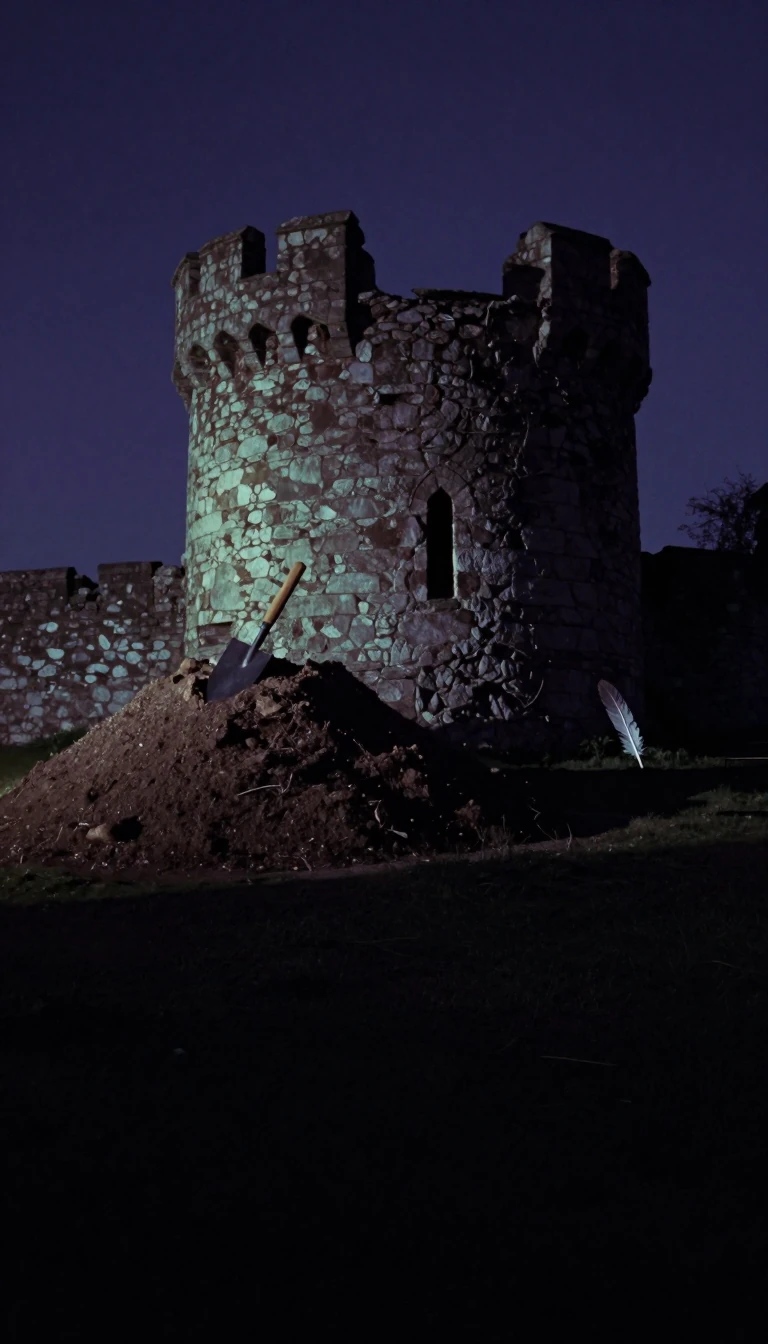
In short: Nestled in a dramatic gap in the Purbeck Hills, Corfe Castle is more than a ruined fortress. From its ancient origins as a hub for stone carvers to its time as a notorious rotten borough, this village has quietly shaped English history, industry, and even the landscape of modern fiction.
The village takes its name from the Old English term for cutting or carving, a nod to the distinct break in the hills where it sits. Human presence here dates back to 6000 BC, with evidence of early burial mounds and later field systems worked by the Durotriges tribe. By the 10th century, the site gained national notoriety when King Edward the Martyr was murdered there in 978. This event cemented the location's place in history long before it became a Royalist stronghold during the English Civil War, enduring two major sieges in 1643 and 1646.
Beyond its military history, Corfe was a significant industrial center. During the Middle Ages, the village supported a thriving stone and marble carving trade, with Purbeck stone shipped across the country via Ower Quay. By the 18th century, the focus shifted to ball clay extraction. The industry grew rapidly after merchant William Pike secured a major supply contract with Josiah Wedgwood in 1791. By 1796, over half of the local working men were employed as clay cutters, a trade that sustained the village well into the 20th century.
The village also functioned as a rotten borough, where the influential Bankes family controlled local property and effectively handpicked Members of Parliament. This political anomaly ended with the Reform Act 1832. Today, the village is a cultural touchstone, serving as a backdrop for films like Bedknobs and Broomsticks and inspiring settings in Enid Blyton’s adventure stories. Now under the stewardship of the National Trust, the site balances its deep historical legacy with its role as a living community of over 1,200 residents.
Opens the Intellect+ feed with this card first. Swipe up for the next one.
Sources
- Summary by Intellect · source: Corfe Castle (village)
- Also: www.nationaltrust.org.uk — Corfe Castle | Dorset
To cite this card, link to https://intellectplus.co.uk/app/science-corfe-castle-village.
How we source, check and correct cards: Editorial standards.
General information, not professional advice. Spotted an error? Flag the card or see corrections and complaints.
Intellect Plus is a visual educational discovery platform for exploring fascinating facts and ideas. Brain Food, Not Brain Rot. What is Intellect Plus?
Related
More in Social scientists · More in Science · Latest · A–Z · All topics
