Encephalopathy is not a single disease, but a broad syndrome of brain dysfunction.
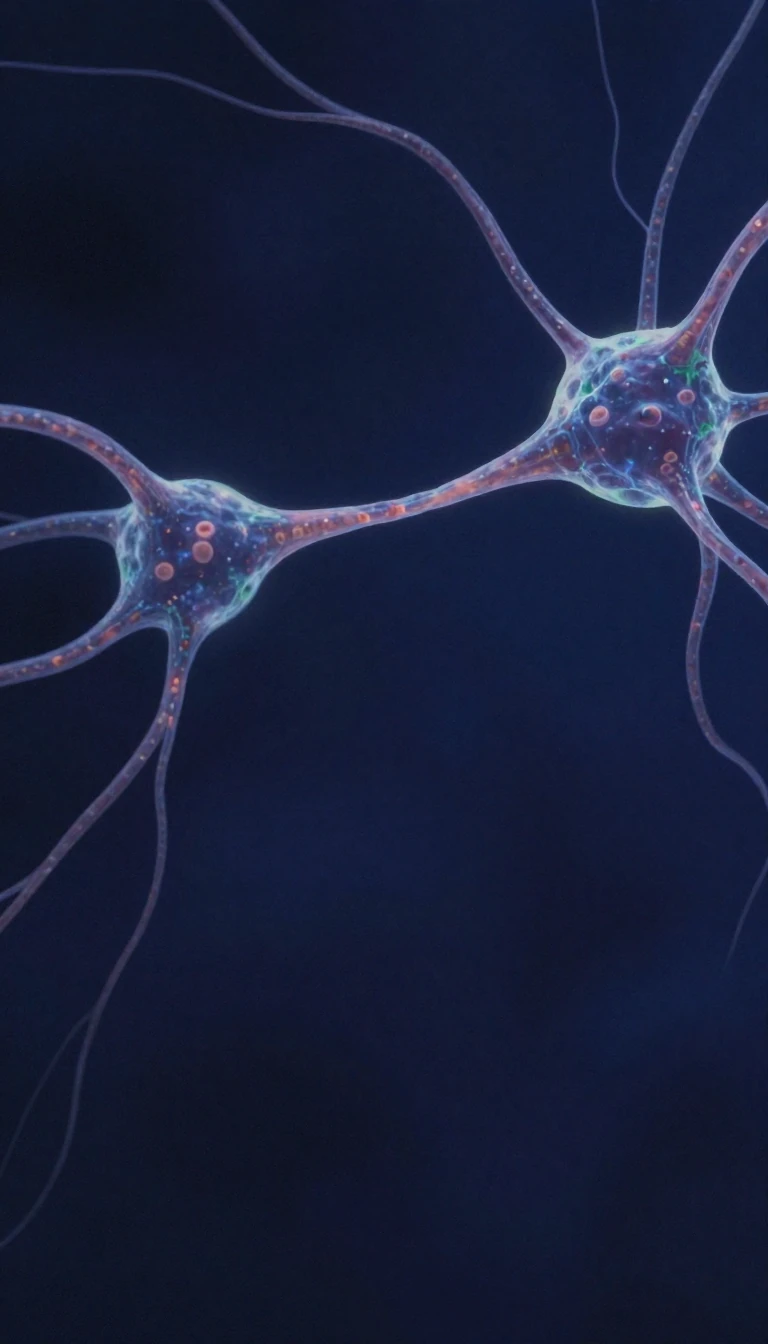
In short: Derived from the Greek for brain suffering, encephalopathy describes any condition that disrupts normal brain function. From metabolic imbalances and infections to physical trauma, the causes are vast. While the triggers vary wildly, the hallmark is a shared state of altered consciousness, delirium, and cognitive impairment that demands urgent attention.
Encephalopathy functions as an umbrella term rather than a specific diagnosis. It encompasses a wide array of disorders characterized by overall brain dysfunction, ranging from chronic degenerative conditions to acute, reversible states. The underlying mechanisms are diverse, involving organic and inorganic factors that interfere with the brain's ability to maintain its standard operational state.
The clinical presentation is defined by an altered mental state, which may manifest as fluctuating levels of consciousness, ranging from mild drowsiness to profound confusion. Patients often exhibit cognitive deficits, impaired attention, and disruptions to the sleep-wake cycle. Physical signs can include tremors, such as the flapping hand movement known as asterixis, or involuntary muscle twitching. In more severe cases, individuals may experience respiratory abnormalities, such as cyclic breathing patterns, or focal neurological deficits.
The etiology of these syndromes is extensive. Metabolic disturbances, such as thiamine deficiency in Wernicke's encephalopathy or ammonia buildup in hyperammonemia, are common drivers. Other forms are linked to autoimmune responses, such as anti-NMDA receptor encephalitis, or external trauma, as seen in chronic traumatic encephalopathy. Infectious diseases, including HIV or Lyme disease, can also trigger brain dysfunction. Even common substances can be culprits; for instance, certain chemotherapy drugs can induce severe encephalopathy, though some cases are reversible with timely intervention.
Diagnosing the specific cause requires a comprehensive clinical approach. Healthcare providers utilize a combination of blood tests, cerebrospinal fluid analysis via lumbar puncture, and advanced imaging studies. Electroencephalography and neuropsychological testing are also essential tools for differentiating between the many potential origins. Because the prognosis depends heavily on the underlying cause and the speed of treatment, identifying the specific type of encephalopathy is critical for effective management and long-term recovery.
Opens the Intellect+ feed with this card first. Swipe up for the next one.
Sources
- Summary by Intellect · source: Encephalopathy
- Also: my.clevelandclinic.org — Encephalopathy: What Is It?
To cite this card, link to https://intellectplus.co.uk/app/science-encephalopathy.
How we source, check and correct cards: Editorial standards.
General information, not professional advice. Spotted an error? Flag the card or see corrections and complaints.
Intellect Plus is a visual educational discovery platform for exploring fascinating facts and ideas. Brain Food, Not Brain Rot. What is Intellect Plus?
Related
More in Human body & genes · More in Science · Latest · A–Z · All topics
