Quantum energy leaps: how atoms and molecules defy their lowest energy states
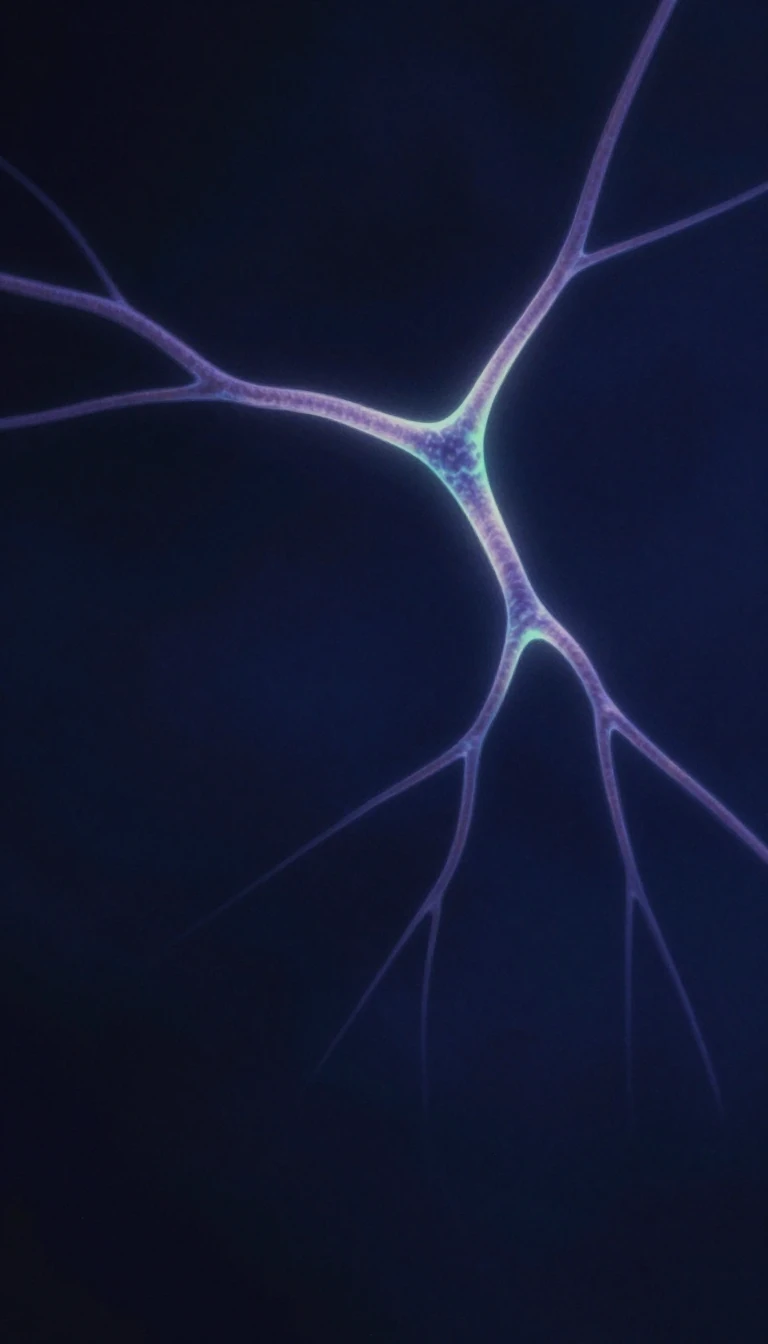
In short: An excited state is any configuration of an atom or molecule possessing more energy than its baseline ground state. These fleeting, high-energy conditions are fundamental to photochemistry and spectroscopy, acting as the invisible engines behind light-based reactions and the complex dance of electrons within matter.
At the core of quantum mechanics lies the concept of energy levels. A system, whether an atom or a molecule, naturally resides in its ground state—the configuration with the absolute minimum energy. By absorbing a discrete amount of energy from external sources like heat, electricity, or light, the system is promoted to an excited state. This transition is not permanent; these states are typically short-lived, as the system seeks to return to a lower energy level through de-excitation, often by emitting radiation such as photons or phonons.
The study of these states is vital for understanding how matter interacts with light. For instance, researchers use advanced spectroscopic techniques to map the electronic landscapes of complex molecules, such as squaraine dyes, which hold promise for light-based technologies. In photocatalysis, transient absorption spectroscopy allows scientists to probe the fundamental mechanisms of reactions, though experts note that this tool is often underutilized, serving as mere characterization rather than a gateway to deep mechanistic insight.
Beyond simple transitions, excited states reveal mysterious dynamics. In the case of pyrazine, researchers have used ultraviolet excitation combined with X-ray absorption to observe electrons and nuclei moving in harmony at conical intersections—a rhythm that can be disrupted by the presence of water. Similarly, the long-elusive perpendicular conformation of stilbene during photoisomerization has finally been captured using ultrafast Raman spectroscopy. These discoveries highlight that excited states are not just theoretical constructs but active, structural participants in the chemical reactions that govern our world.
Opens the Intellect+ feed with this card first. Swipe up for the next one.
Sources
- Summary by Intellect · source: Excited states - Latest research and news | Nature
- Also: Excited state
- Also: Excited state | atomic physics | Britannica
To cite this card, link to https://intellectplus.co.uk/app/science-excited-state.
How we source, check and correct cards: Editorial standards.
General information, not professional advice. Spotted an error? Flag the card or see corrections and complaints.
Intellect Plus is a visual educational discovery platform for exploring fascinating facts and ideas. Brain Food, Not Brain Rot. What is Intellect Plus?
Related
More in Mechanics · More in Science · Latest · A–Z · All topics
