How a massive earthen fortress became the Confederacy's most vital maritime lifeline
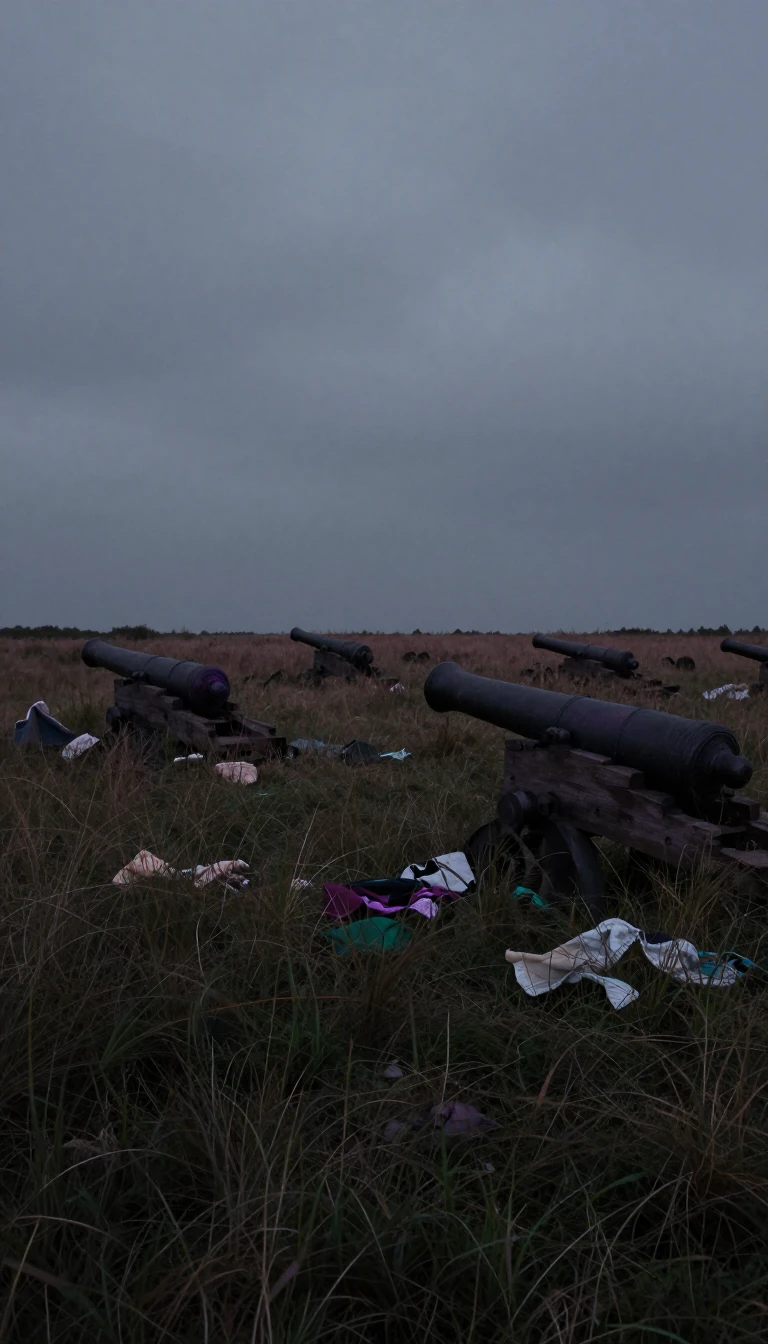
In short: Known as the Southern Gibraltar, Fort Fisher protected Wilmington, the Confederacy's last major Atlantic port. By utilizing innovative earthen designs that absorbed heavy naval fire, this fortress sustained the supply lines essential for Robert E. Lee’s army until its eventual collapse during a massive Union amphibious assault in early 1865.
Constructed on the Federal Point peninsula, Fort Fisher served as the primary guardian of Wilmington, North Carolina, from 1861 until 1865. As the war progressed and other ports fell, Wilmington became the Confederacy's most critical entry point for foreign munitions, clothing, and food. The fort's strategic importance was bolstered by its unique geography; situated between the Atlantic Ocean and the Cape Fear River, it allowed blockade runners to navigate two shallow inlets, effectively evading Union naval barricades. By 1864, it stood as the largest Confederate fortification, featuring an extensive land face and a sea face equipped with powerful artillery.
The fort's design was remarkably resilient. Built primarily of soil, it was engineered to absorb heavy ordnance, a concept inspired by the Malakoff Tower at Sevastopol. Its defenses included a complex network of underground bombproofs and mounds, some reaching 30 feet in height. Thousands of laborers, including Confederate soldiers, enslaved people, and Lumbee Indians, worked to expand the site. This structural ingenuity forced Union warships to remain well offshore, keeping the port open for blockade runners who were guided past defensive minefields by pilots stationed in tall pine trees.
The Union’s efforts to capture the fort culminated in two major expeditions. After an initial failure in December 1864, a second, larger force led by Major General Alfred Terry and Rear Admiral David Dixon Porter launched a massive assault on January 15, 1865. Following a relentless naval bombardment, Union infantry and landing parties breached the defenses. The fort’s fall effectively severed the final supply line for the Army of Northern Virginia. Shortly after the capture, a catastrophic explosion in the main magazine killed at least 200 men, an event later attributed by a Court of Inquiry to the presence of intoxicated soldiers and unprotected magazines.
Opens the Intellect+ feed with this card first. Swipe up for the next one.
Sources
- Summary by Intellect · source: Fort Fisher
- Also: Fort Fisher | NC Historic Sites
To cite this card, link to https://intellectplus.co.uk/app/science-fort-fisher.
How we source, check and correct cards: Editorial standards.
General information, not professional advice. Spotted an error? Flag the card or see corrections and complaints.
Intellect Plus is a visual educational discovery platform for exploring fascinating facts and ideas. Brain Food, Not Brain Rot. What is Intellect Plus?
Related
More in Social scientists · More in Science · Latest · A–Z · All topics
