GABA is the brain's primary brake, but its role shifts as we grow up.
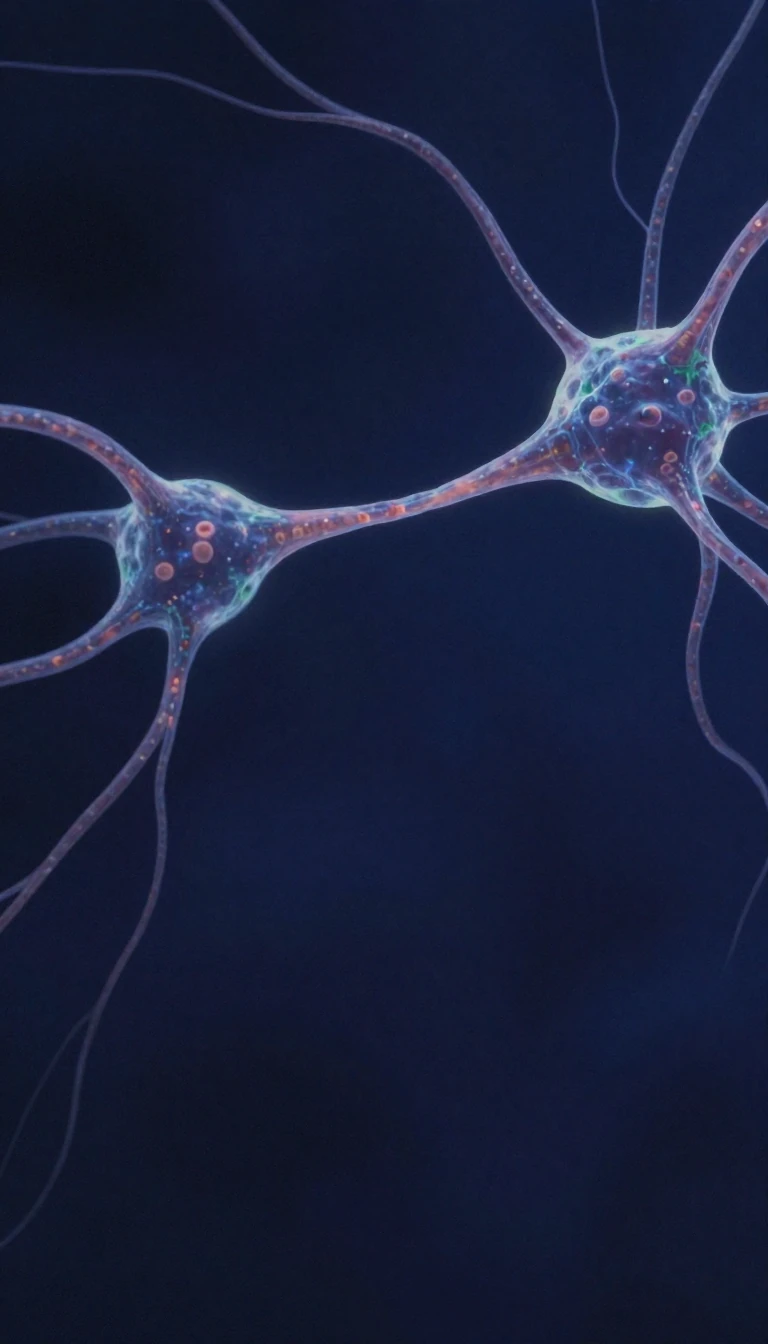
In short: Known as the chief inhibitory neurotransmitter in the mature mammalian brain, GABA acts as a chemical brake to reduce neuronal excitability. While it is famous for producing calming effects, its function is surprisingly complex, evolving from an excitatory signal in the developing brain to a vital regulator of adult physiology.
In the mature central nervous system, GABA functions as the primary inhibitory neurotransmitter, dampening nerve cell activity to control anxiety, stress, and fear. It achieves this through two main receptor classes: GABAA, which acts as a ligand-gated chloride channel, and GABAB, a G protein-coupled receptor. When GABA binds to GABAA receptors, it allows chloride ions to flow across the cell membrane, typically hyperpolarizing the cell and making it less likely to fire. This mechanism is so fundamental that many general anesthetics, such as propofol and barbiturates, work by enhancing the effectiveness of GABA or manipulating these receptors to induce unconsciousness.
The story of GABA is not static; it undergoes a dramatic developmental switch. In the immature brain, GABA is often excitatory rather than inhibitory. This is due to a higher concentration of NKCC1 co-transporters, which creates a chloride gradient that leads to an efflux of ions rather than an influx. As the brain matures, the expression of KCC2 co-transporters increases, reversing the chloride gradient and shifting GABA’s role to inhibition. This transition is critical for the proper formation of synapses and the regulation of neural progenitor cells, highlighting GABA's role as a master architect of brain development.
Beyond the brain, GABA is a versatile signaling molecule found in peripheral tissues, including the pancreas, where it is secreted by insulin-producing beta cells to inhibit glucagon-secreting alpha cells. Research also suggests GABA may influence immune responses, suppress inflammation, and even regulate sleep and reproductive functions by interacting with melatonin pathways. While historically it was believed that supplemental GABA could not cross the blood-brain barrier, recent research suggests this notion is unclear. Despite its therapeutic potential for conditions like diabetes and hypertension, scientists emphasize that more large-scale human studies are required to confirm the efficacy and safety of GABA-based interventions.
Opens the Intellect+ feed with this card first. Swipe up for the next one.
Sources
- Summary by Intellect · source: GABA
- Also: Gamma-Aminobutyric Acid (GABA): What It Is, Function & Benefits
To cite this card, link to https://intellectplus.co.uk/app/science-gaba.
How we source, check and correct cards: Editorial standards.
General information, not professional advice. Spotted an error? Flag the card or see corrections and complaints.
Intellect Plus is a visual educational discovery platform for exploring fascinating facts and ideas. Brain Food, Not Brain Rot. What is Intellect Plus?
Related
More in Neuroscience · More in Health · Latest · A–Z · All topics
