How new genealogical tree mapping is finally unlocking Europe's hidden medieval migration patterns
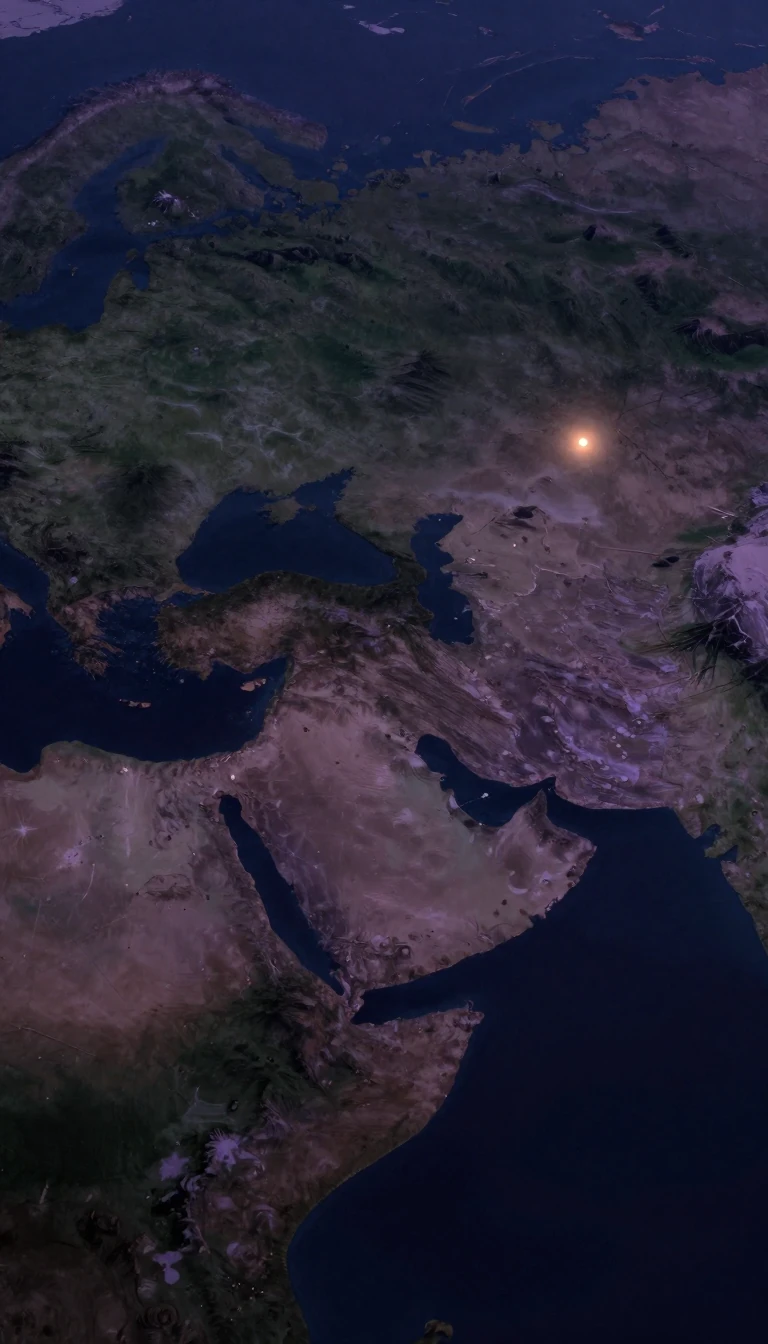
In short: Tracing human movement in the first millennium is notoriously difficult because European populations are genetically very similar. Traditional methods often fail to distinguish between closely related groups. Now, a new approach called time-stratified ancestry analysis uses inferred genome-wide genealogies to boost statistical power, revealing the secrets of our ancestors.
Reconstructing the genetic history of Europe during the first millennium CE has long been a challenge for researchers. While archaeology and history provide rich context, the genetic differences between Iron Age groups in central and northern Europe are remarkably small—often an order of magnitude lower than the differences between the hunter-gatherer, farmer, and steppe-pastoralist groups that defined the Stone and Bronze Ages. Because these populations are so similar, standard statistical tools have struggled to provide the resolution needed to track specific migrations, such as those during the fourth to sixth centuries CE or the Viking Age.
The primary limitation has been the statistical power of ancient DNA (aDNA) data. While f-statistics have been the gold standard for modeling admixture, they often lack the sensitivity to differentiate between closely related ancestries. Previous attempts to solve this relied on large modern cohorts, but these are frequently confounded by gene flow that occurred long after the ancient individuals lived. The most accurate models require source populations that are at least contemporary with the target group, yet these ancient samples are often limited in size and sequence quality.
To overcome this, researchers are turning to full genealogical tree inference. By treating these trees as repositories of time-resolved ancestry information, scientists can now analyze how and when genetic ancestors were shared across individuals. The new 'Twigstats' method applies this by using inferred genealogies to boost the power of f-statistics several-fold. This allows for a more precise reconstruction of population movements from 500 BCE to 1000 CE, providing a clearer picture of the mobility that shaped modern Europe without being misled by the subtle genetic nuances that previously obscured these historical events.
Opens the Intellect+ feed with this card first. Swipe up for the next one.
Sources
- Summary by Intellect · source: High-resolution genomic history of early medieval Europe - Nature
- Also: Genetic history of Europe
To cite this card, link to https://intellectplus.co.uk/app/science-genetic-history-of-europe.
How we source, check and correct cards: Editorial standards.
General information, not professional advice. Spotted an error? Flag the card or see corrections and complaints.
Intellect Plus is a visual educational discovery platform for exploring fascinating facts and ideas. Brain Food, Not Brain Rot. What is Intellect Plus?
Related
More in History · Latest · A–Z · All topics
