How a prehistoric migration from the Eurasian steppe reshaped the genetic map of humanity
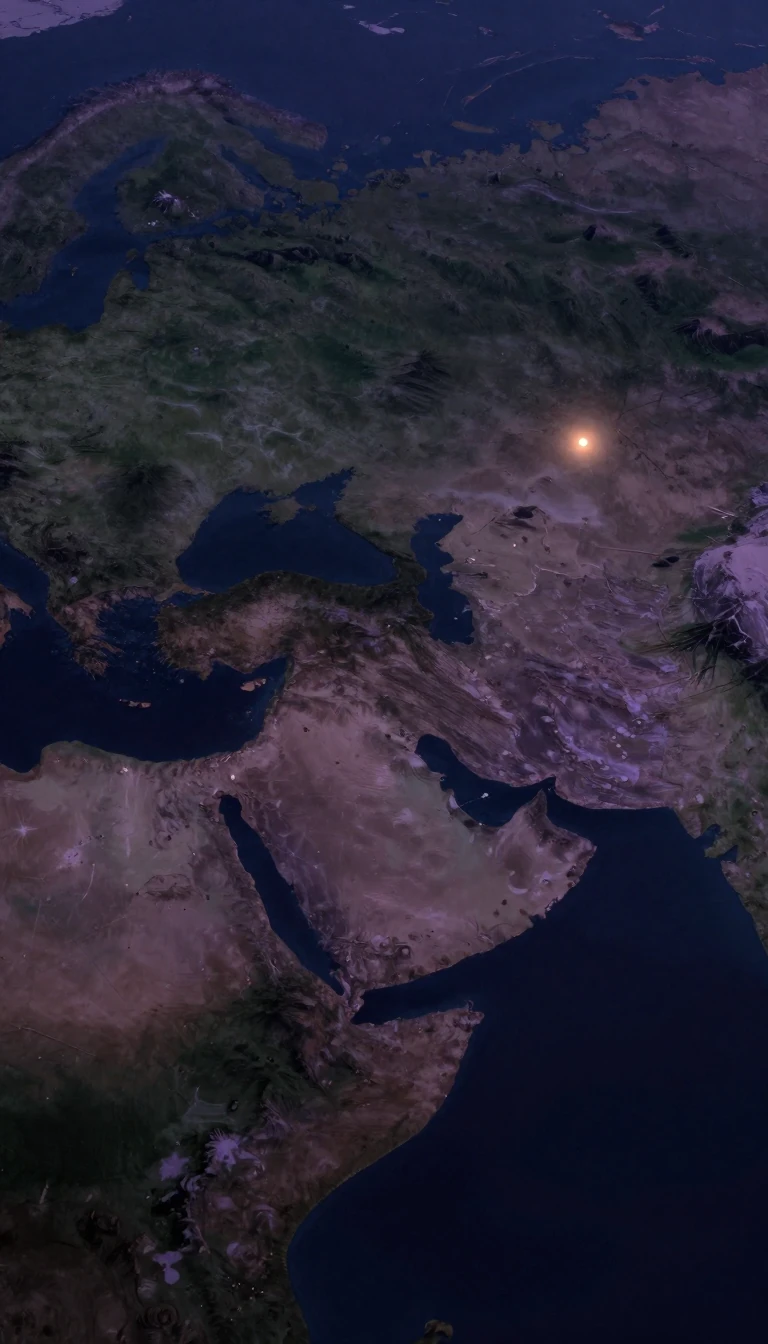
In short: Around 3,000 BC, a massive expansion of people from the Eurasian steppe fundamentally altered the genetic and cultural landscape of Europe and beyond. These Western Steppe Herders replaced existing paternal lineages, leaving a legacy that persists in the DNA of modern populations across Europe, Central Asia, and South Asia.
Western Steppe Herders, or WSH, represent a distinct ancestral component identified in ancient populations like the Yamnaya, Khvalynsk, and Sredny Stog cultures. Genetic models suggest this ancestry emerged from a merger between Eastern Hunter-Gatherers and Caucasus Hunter-Gatherers. While the exact origins of this admixture remain a subject of active research, evidence indicates it began on the Pontic-Caspian steppe by the fifth millennium BC, long before the Yamnaya culture rose to prominence.
The Yamnaya expansion, dated to approximately 3,000 BC, is widely linked by linguists and geneticists to the dispersal of Indo-European languages. This period was marked by significant population turnover. In Europe, the arrival of WSH-related groups like the Corded Ware and Bell Beaker cultures led to the near-total replacement of paternal DNA lineages from earlier Early European Farmer populations. This shift was not uniform; it involved complex interactions, including the integration of local Neolithic groups and the later development of Middle and Late Bronze Age ancestry clusters like the Sintashta culture.
The influence of this migration extends far beyond Europe. In South Asia, WSH ancestry is found in varying proportions among contemporary populations, particularly in the northern subcontinent. Meanwhile, the genetic legacy of these herders remains visible in Northern Europe, where it reaches its highest modern levels. Beyond genetics, this era of movement also facilitated the spread of the plague, Yersinia pestis, across the continent, highlighting the profound and often devastating consequences of these prehistoric human migrations.
While the broad strokes of this history are clear, many details remain contested. Researchers continue to debate the specific source populations for the Yamnaya cluster, with various models proposing different combinations of hunter-gatherer and farmer ancestries. Furthermore, the precise social dynamics of these migrations—and how they successfully displaced or absorbed existing groups—remain a central focus of ongoing archaeogenetic study.
Opens the Intellect+ feed with this card first. Swipe up for the next one.
Sources
- Summary by Intellect · source: Western Steppe Herders
To cite this card, link to https://intellectplus.co.uk/app/culture-western-steppe-herders.
How we source, check and correct cards: Editorial standards.
General information, not professional advice. Spotted an error? Flag the card or see corrections and complaints.
Intellect Plus is a visual educational discovery platform for exploring fascinating facts and ideas. Brain Food, Not Brain Rot. What is Intellect Plus?
Related
More in Peoples & civilisations · More in Cultures · Latest · A–Z · All topics
