Why the fifth basic taste, umami, is more than just a savory flavor
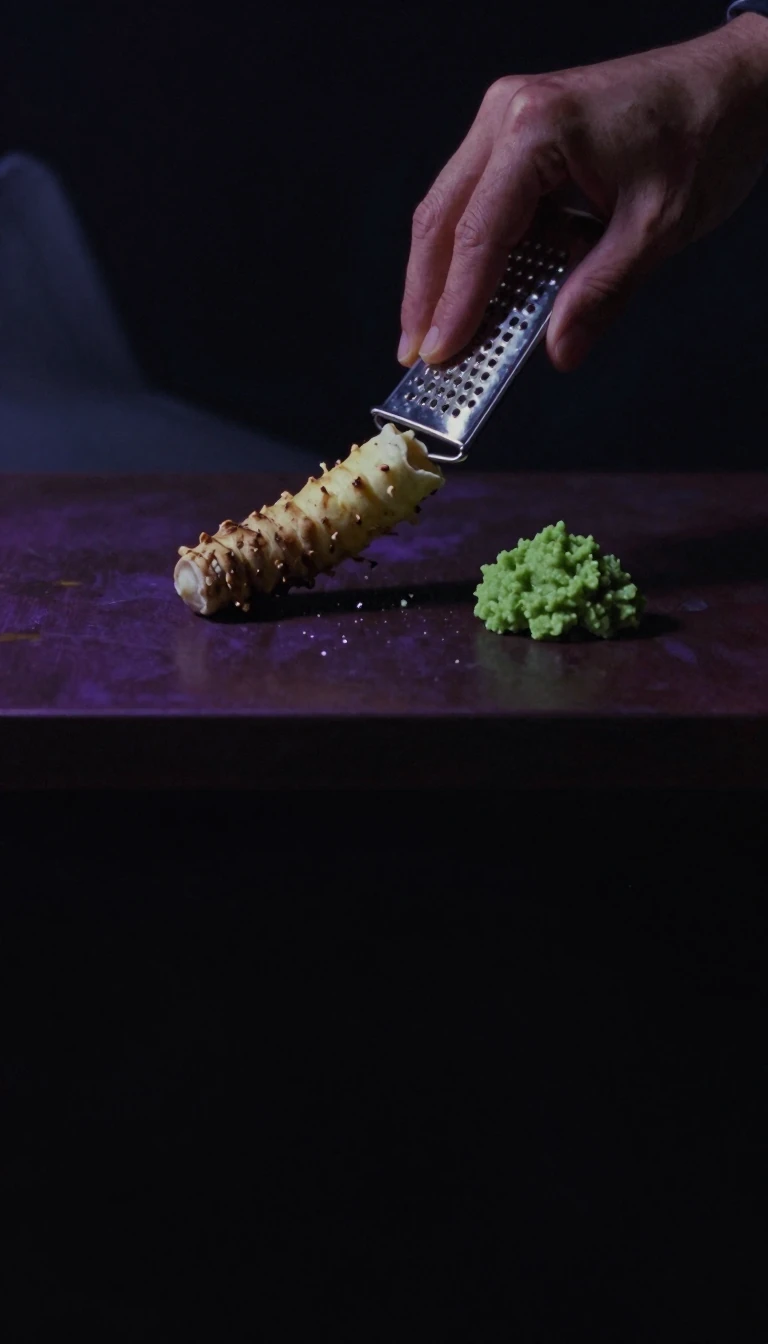
In short: Monosodium glutamate does more than trigger the savory taste of umami. Scientists now believe it acts as a key to unlock kokumi, a sensation of thickness and mouthfulness. By facilitating the binding of other substances to receptors, glutamate transforms the entire profile of a meal, enhancing sweet, salty, and fatty notes.
Discovered over 100 years ago by Japanese scientist Kikunae Ikeda, umami was identified after he isolated L-glutamic acid from kombu seaweed. Ikeda recognized this peculiar taste in foods like meat, cheese, and tomatoes, distinguishing it from the four conventional tastes: sweet, salty, sour, and bitter. Today, it is accepted as the fifth basic taste, supported by the discovery of specific receptors on the tongue, such as the T1R1/T1R3 heterodimer and metabotropic glutamate receptors like mGluR1 and mGluR4.
The mechanism of umami is complex. While glutamate provides the base, its intensity is significantly amplified through synergism with 5'-ribonucleotides like inosinate and guanylate. This effect is not merely about adding a new flavor; it is about how glutamate interacts with the broader sensory experience. Recent research suggests that glutamate facilitates the binding of kokumi substances to their receptors, which contributes to the thickness, continuity, and mouthfulness of food. This interaction helps explain why umami-rich ingredients are staples in cuisines globally, regardless of regional history.
Interestingly, umami perception is nuanced and sometimes elusive. Unlike other tastes, it does not become extremely intense even at high concentrations, and it is sensed over a wide area of the tongue. Some studies even suggest that umami perception can be influenced by illusion or phantom sensation. Furthermore, the distinction between umami and other tastes like saltiness can be difficult for some, with estimates suggesting that up to 27% of certain populations may be umami hypotasters. Understanding these mechanisms is now crucial for developing modern food products, including plant-based and cultured meat alternatives, which rely on these precise chemical interactions to achieve palatability.
Opens the Intellect+ feed with this card first. Swipe up for the next one.
Sources
- Summary by Intellect · source: The flavor-enhancing action of glutamate and its mechanism involving the notion of kokumi - npj Science of Food
- Also: Glutamate flavoring
To cite this card, link to https://intellectplus.co.uk/app/science-glutamate-flavoring.
How we source, check and correct cards: Editorial standards.
General information, not professional advice. Spotted an error? Flag the card or see corrections and complaints.
Intellect Plus is a visual educational discovery platform for exploring fascinating facts and ideas. Brain Food, Not Brain Rot. What is Intellect Plus?
Related
More in Salts and ions · More in Science · Latest · A–Z · All topics
