The 1877 Brazilian drought killed half a million people while elites ignored their suffering.
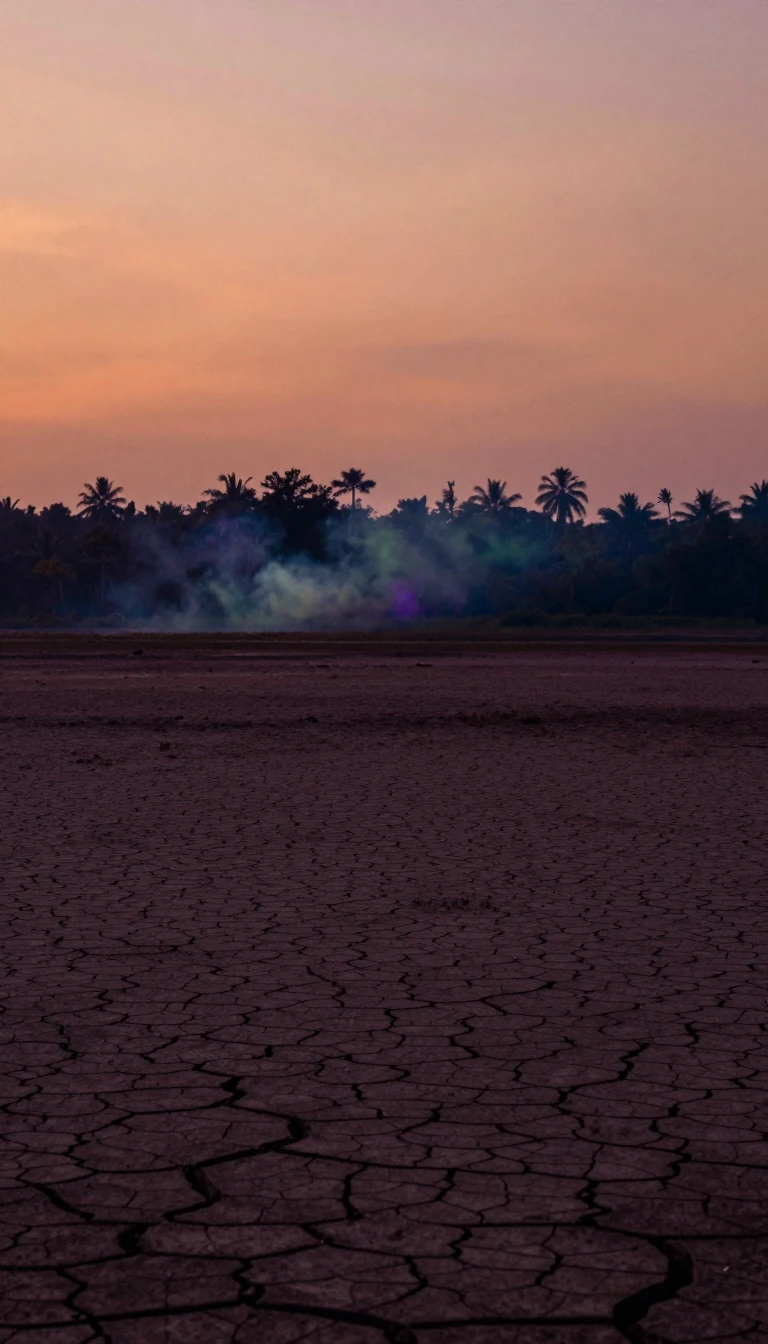
In short: Known as the Grande Seca, this catastrophe devastated Brazil's Northeast, claiming up to 500,000 lives. While peasants starved, political biases and economic obsession with coffee exports in the South left the region to wither. It remains a haunting example of how institutional indifference can turn environmental disaster into human tragedy.
The Grande Seca, or Great Drought, of 1877–1878 remains the most lethal environmental disaster in Brazilian history. As the sertão—the arid interior—suffered from a lack of rainfall exacerbated by poor agricultural practices like overgrazing and monoculture, the population faced total collapse. Between 400,000 and 500,000 people perished, while thousands more were forced to migrate to the Amazon or coastal cities in search of survival. The disaster was not merely meteorological; it was a failure of governance and social empathy.
At the time, Imperial Brazil was deeply divided. The Southeast, driven by a booming coffee industry, held political and economic power, while the Northeast, once the center of sugar and cotton production, faced economic decline. Southern elites, influenced by Eurocentric prejudices, often dismissed the starving sertanejos as lazy or unintelligent. This bias, combined with a crippling national debt to Britain and a primitive banking system, meant that government aid was either nonexistent, poorly distributed, or used as a tool for patronage. When relief finally arrived, it was often tied to 'moralizing' work programs that forced refugees into labor camps or relocation to the Amazon.
The disaster fundamentally altered Brazilian public policy, marking the first time the government recognized drought as a national issue requiring intervention. However, the response was largely reactive and insufficient. Projects like the Cedro Dam, begun in 1881, became symbols of a legacy of infrastructure that failed to address the root causes of vulnerability. Today, the cycle of drought and neglect persists, a phenomenon Professor Donald Wilhite termed the 'hydroillogical cycle,' where the memory of crisis fades quickly once the rains return, leaving the region perpetually unprepared for the next inevitable dry spell.
Opens the Intellect+ feed with this card first. Swipe up for the next one.
Sources
- Summary by Intellect · source: Grande Seca
To cite this card, link to https://intellectplus.co.uk/app/science-grande-seca.
How we source, check and correct cards: Editorial standards.
General information, not professional advice. Spotted an error? Flag the card or see corrections and complaints.
Intellect Plus is a visual educational discovery platform for exploring fascinating facts and ideas. Brain Food, Not Brain Rot. What is Intellect Plus?
Related
More in Social scientists · More in Science · Latest · A–Z · All topics
