Heavy water is a vital tool for controlling the intense power of nuclear fission.
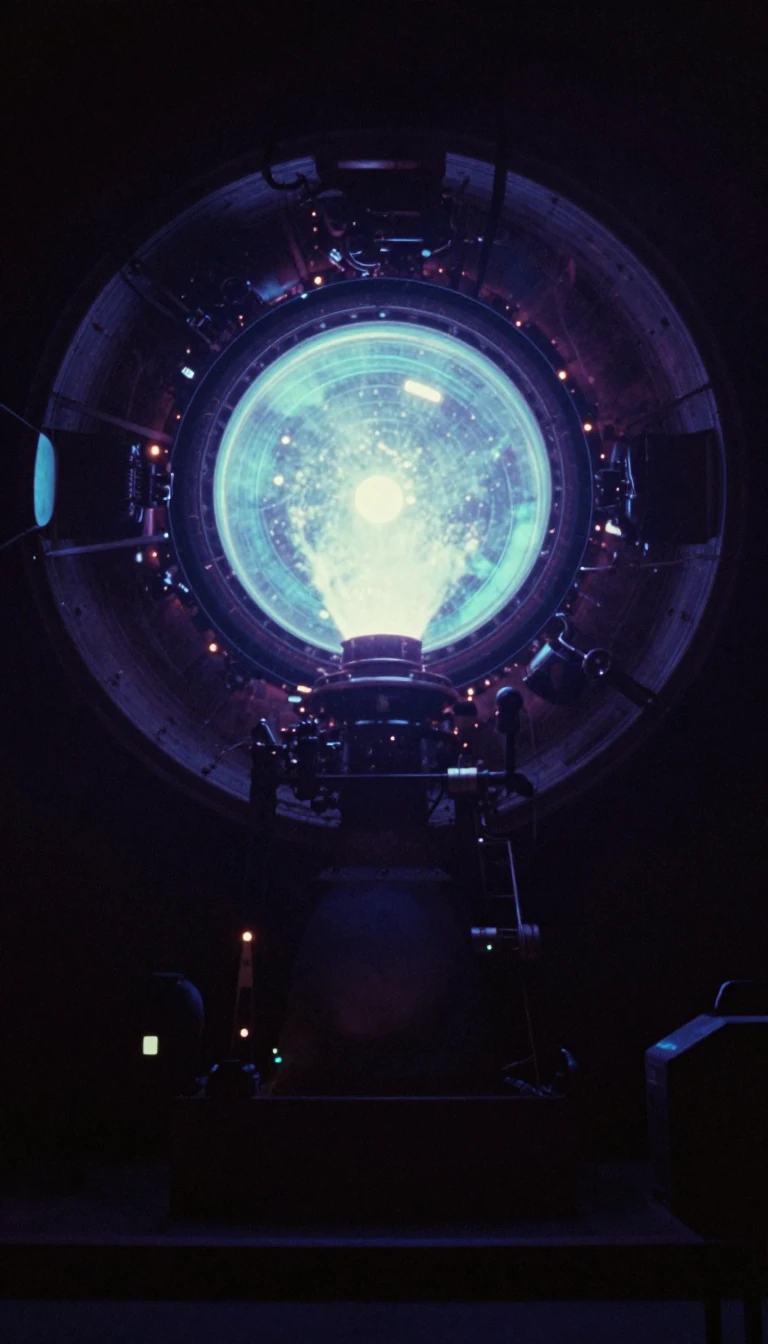
In short: Heavy water is not just water with a heavier name. Composed of deuterium, it acts as a critical moderator in nuclear reactors. By slowing down neutrons, this unique substance allows operators to maintain the delicate, self-sustaining chain reactions that power our world while keeping the entire process safely under control.
At its core, heavy water is chemically similar to ordinary water but contains deuterium, a hydrogen isotope with a mass double that of standard hydrogen. Because deuterium contains both a proton and a neutron, it creates a molecule that is roughly 10.6% to 11% denser than regular water. This subtle shift in atomic composition grants heavy water distinct physical and nuclear properties that make it indispensable for specific types of reactor designs.
The primary utility of heavy water lies in its role as a neutron moderator. In a nuclear reactor, fission releases fast-moving neutrons that must be slowed to sustain a steady chain reaction. While some reactors use graphite for this purpose, heavy water is highly effective because it captures very few neutrons itself. This efficiency allows certain reactors to operate on natural uranium, avoiding the need for the enrichment processes required by other designs. By maintaining this balance, heavy water helps keep the reactor in a critical state, where the neutron population remains constant and power output stays steady.
Beyond its role in power generation, heavy water is a versatile tool in scientific research, used in fields ranging from neutron capture therapy to metabolic rate testing. While it is not radioactive, it does interact with biological systems in ways that differ from ordinary water. Because deuterium forms stronger bonds with oxygen, it can alter enzymes and cell division in eukaryotes. While the human body naturally contains small, harmless amounts of deuterium, replacing more than 50% of an organism's water with heavy water can lead to cell dysfunction and death.
First produced in 1932, heavy water remains a cornerstone of nuclear technology. Its ability to facilitate safe, controlled fission has made it a preferred choice for reactors that generate power or produce radioactive isotopes. By providing a stable environment for nuclear reactions, heavy water continues to be a critical component in the ongoing effort to harness atomic energy safely and effectively.
Opens the Intellect+ feed with this card first. Swipe up for the next one.
Sources
- Summary by Intellect · source: Heavy water | Definition, Formula, Preparation, & Facts | Britannica
- Also: Heavy water
To cite this card, link to https://intellectplus.co.uk/app/science-heavy-water.
How we source, check and correct cards: Editorial standards.
General information, not professional advice. Spotted an error? Flag the card or see corrections and complaints.
Intellect Plus is a visual educational discovery platform for exploring fascinating facts and ideas. Brain Food, Not Brain Rot. What is Intellect Plus?
Related
More in Molecular compounds · More in Science · Latest · A–Z · All topics
