Can we reach room-temperature superconductivity by trapping materials in a state of flux?
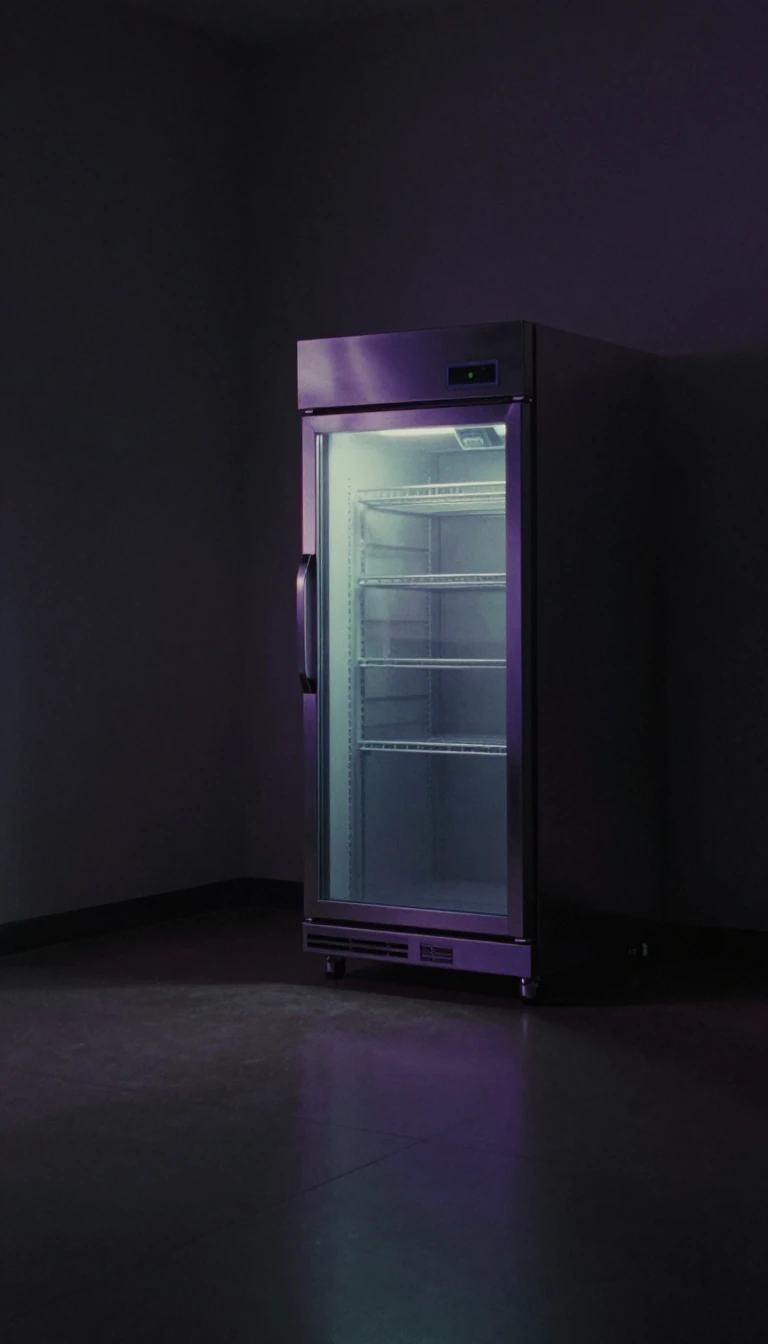
In short: Superconductors allow electricity to flow without resistance, but they traditionally require extreme cooling. A recent breakthrough using a technique called pressure quenching has pushed the record for ambient-pressure superconductivity to 151 Kelvin. This method offers a promising, albeit distant, path toward the holy grail of room-temperature electrical efficiency.
Superconductivity, the ability of a material to conduct electricity with zero resistance, was first discovered in 1911 by Kamerlingh Onnes. For decades, progress was slow, with transition temperatures (Tc) rising only incrementally in metallic alloys. The field shifted dramatically in 1986 when Karl Alex Müller and Johannes Georg Bednorz discovered superconductivity in ceramic metal oxides at 30 K. This finding earned them the 1987 Nobel Prize and launched a global search for materials that could function at higher temperatures, eventually leading to the discovery of cuprates that could operate above 90 K.
The recent record-breaking achievement by researchers at the University of Houston reached a Tc of 151 K (minus 122 degrees Celsius) at ambient pressure. This was accomplished using pressure quenching: the material was subjected to extreme pressure to enhance its superconducting properties, cooled, and then the pressure was rapidly released. This process effectively trapped the material in its high-performance state. While this remains about 140 degrees Celsius away from room temperature (roughly 300 K), it represents a significant advance over the previous 30-year-old record of 133 K.
Despite these experimental successes, a comprehensive microscopic theory for high-temperature superconductivity remains elusive. While the BCS theory explains conventional superconductivity through electron-phonon interactions, it is likely insufficient for these oxides. Experts suspect that strong electron correlations and magnetic phenomena are the true drivers, but these are notoriously difficult to model. As researchers continue to investigate these complex quantum materials, the goal of room-temperature superconductivity remains a central, albeit challenging, ambition for physics.
Opens the Intellect+ feed with this card first. Swipe up for the next one.
Sources
- Summary by Intellect · source: Superconductivity - High Temp, Magnetic Fields, Condensed Matter | Britannica
- Also: Scientists break 30-year superconductivity record at normal pressure
- Also: High-temperature superconductivity
To cite this card, link to https://intellectplus.co.uk/app/science-high-temperature-superconductivity.
How we source, check and correct cards: Editorial standards.
General information, not professional advice. Spotted an error? Flag the card or see corrections and complaints.
Intellect Plus is a visual educational discovery platform for exploring fascinating facts and ideas. Brain Food, Not Brain Rot. What is Intellect Plus?
Related
More in Electromagnetism · More in Science · Latest · A–Z · All topics
