How do ships avoid crashing in the dark? The rules of the high seas.
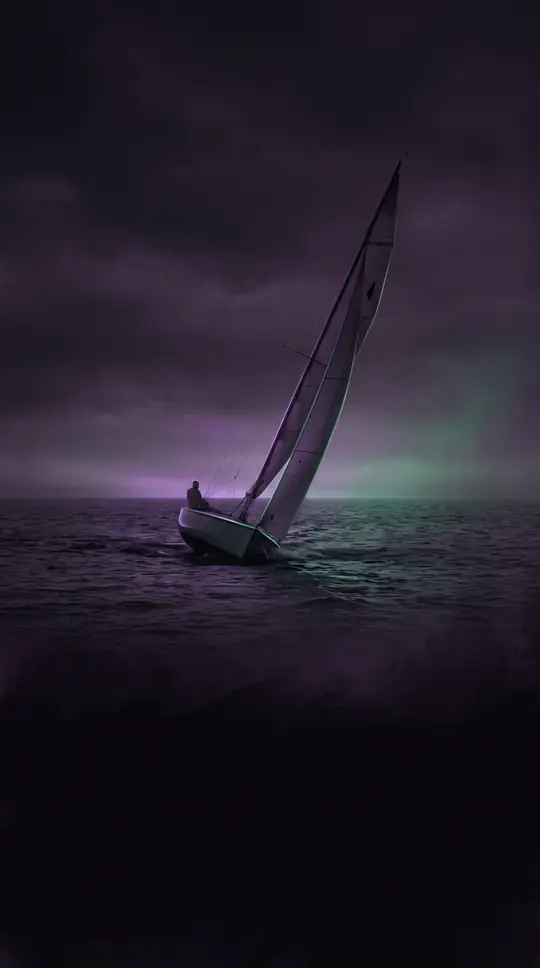
In short: Before international standards existed, inconsistent navigation lights and conflicting local customs turned the open ocean into a dangerous maze. Today, the International Regulations for Preventing Collisions at Sea provide a universal language of movement, ensuring that vessels from tankers to sailboats know exactly who must yield and why.
The modern framework, known as COLREGs, originated from a 1960 convention and was updated in 1972. Published by the International Maritime Organization, these rules apply globally on the high seas. The system is comprehensive, comprising 41 distinct rules and four annexes that dictate everything from the technical specifications of distress signals to the precise visibility requirements for navigation lights. For instance, a vessel over 50 metres long must ensure its masthead lights are visible for at least 6 miles.
At the heart of maritime safety is the concept of 'good seamanship.' While the rules provide a rigid structure for conduct—such as requiring power-driven vessels meeting head-on to pass port-to-port—they also grant masters the authority to deviate from standard procedures to avoid immediate danger. This balance is critical because vessels have vastly different capabilities. A power-driven ship can manoeuvre in any direction, whereas a sailing vessel is constrained by wind. Consequently, the rules establish a hierarchy of responsibility, often requiring more agile or powered vessels to keep clear of those restricted in their ability to manoeuvre.
The necessity for these regulations arose from the chaos of the mid-19th century. As steam-powered vessels became common, the existing, fragmented local practices led to frequent collisions and groundings. Early efforts to standardize began in London with the 1840 Trinity House regulations, which were later codified in the 1846 Steam Navigation Act. By the mid-1800s, both the United Kingdom and the United States were gradually aligning their maritime laws, eventually adopting common standards for reasonable speed and light displays. Today, these rules remain the bedrock of maritime navigation, ensuring that whether in clear visibility or dense fog, every captain understands their duty to maintain a proper lookout and act decisively to prevent disaster.
Opens the Intellect+ feed with this card first. Swipe up for the next one.
Sources
- Summary by Intellect · source: International Regulations for Preventing Collisions at Sea
To cite this card, link to https://intellectplus.co.uk/app/science-international-regulations-for-preventing-collisions-at-sea.
How we source, check and correct cards: Editorial standards.
General information, not professional advice. Spotted an error? Flag the card or see corrections and complaints.
Intellect Plus is a visual educational discovery platform for exploring fascinating facts and ideas. Brain Food, Not Brain Rot. What is Intellect Plus?
Related
More in Social scientists · More in Science · Latest · A–Z · All topics
