A kerosene lamp's flame is held steady by capillary action, not a pump
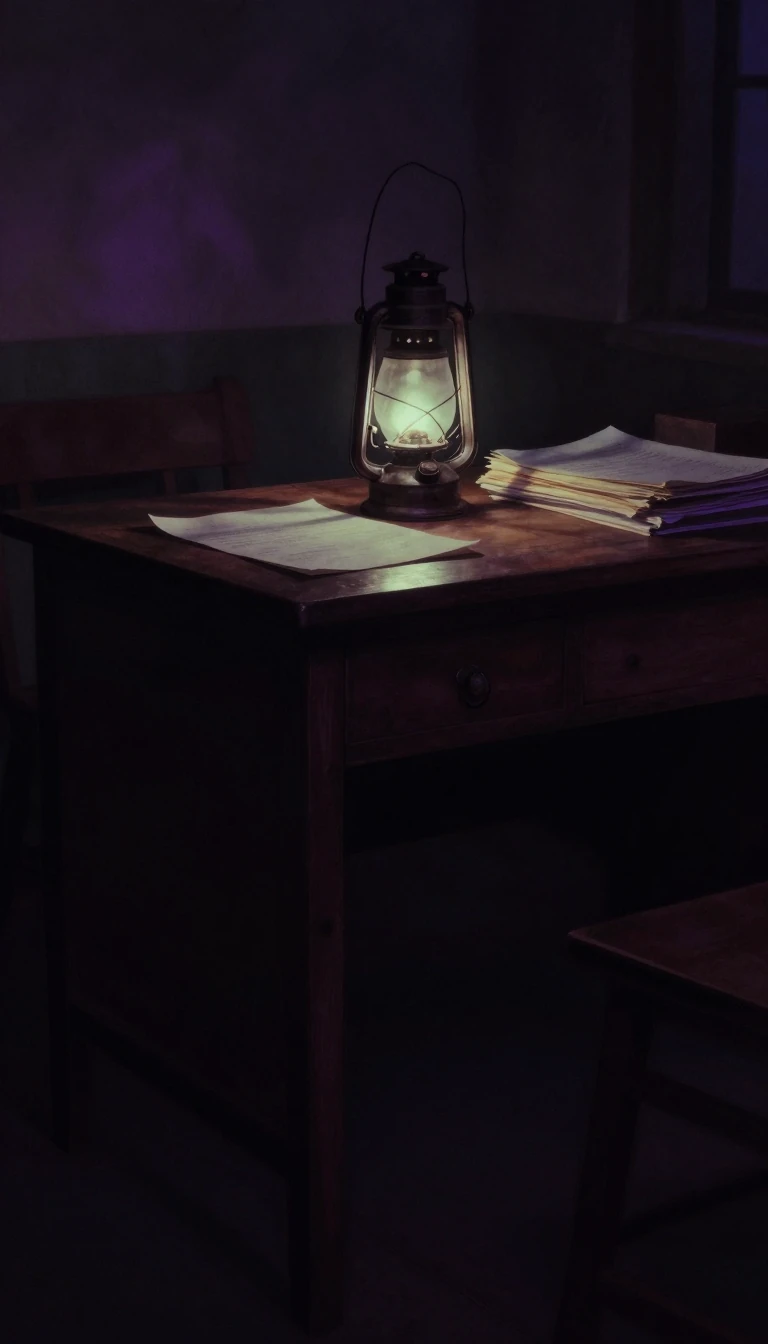
In short: Kerosene lamps once lit homes, trains and lighthouses without electricity. Their fuel climbed up a cotton wick by capillary action alone, with no pump needed. Yet the same lamps still power a surprising share of the world's lighting, with serious health costs.
A kerosene lamp is a lighting device that burns kerosene, also called paraffin in some countries. The simplest type is the flat-wick lamp. Its lower wick sits in the fuel and soaks up kerosene, and the fuel then rises through the wick by capillary action. Turning a small knob raises or lowers the wick, which changes the flame's size. A glass chimney helps by drawing air up past the flame so it burns more cleanly and steadily.
Later designs improved on this. The central-draft lamp uses a tubular round wick and feeds air up through the middle of the flame. Kerosene is thin enough to move through a wick without help from gravity, so its reservoir could sit below the flame, unlike the earlier Argand lamp that burned heavier whale oil. Pressurized lamps, known as Petromax, Tilley or Coleman lamps, use a hand pump to force fuel into a gas chamber, where the vapour heats a mantle until it glows. They give more light per unit of fuel, but they are more complex to build and to operate.
Kerosene itself has an interesting history. Abraham Pineo Gesner developed a fuel distilled from coal in 1846, and kerosene later came from petroleum and became a popular lighting fuel. The Polish inventor Ignacy Łukasiewicz is credited with constructing the modern paraffin lamp in Lemberg in 1853. Historians note that no single inventor of the kerosene lamp can be named, because hundreds of people filed patents for modifications.
The lamps have real downsides. The World Health Organization calls kerosene a polluting fuel and urges governments to stop promoting its household use. Kerosene smoke carries harmful particles, and household use is linked with cancer, respiratory infections, asthma and other illnesses. Contamination with even a little gasoline can make the fuel dangerous, and a lamp with too high a flame can produce soot and in some cases run away.
Opens the Intellect+ feed with this card first. Swipe up for the next one.
Sources
- Summary by Intellect · source: Kerosene lamp
- Also: Kerosene lamp | Oil Lamp, Candlelight, Illumination | Britannica
To cite this card, link to https://intellectplus.co.uk/app/science-kerosene-lamp.
How we source, check and correct cards: Editorial standards.
General information, not professional advice. Spotted an error? Flag the card or see corrections and complaints.
Intellect Plus is a visual educational discovery platform for exploring fascinating facts and ideas. Brain Food, Not Brain Rot. What is Intellect Plus?
Related
More in Particle physics · More in Science · Latest · A–Z · All topics
