The world's oldest surviving globe is a masterpiece of 1492, but was its creator a fraud?
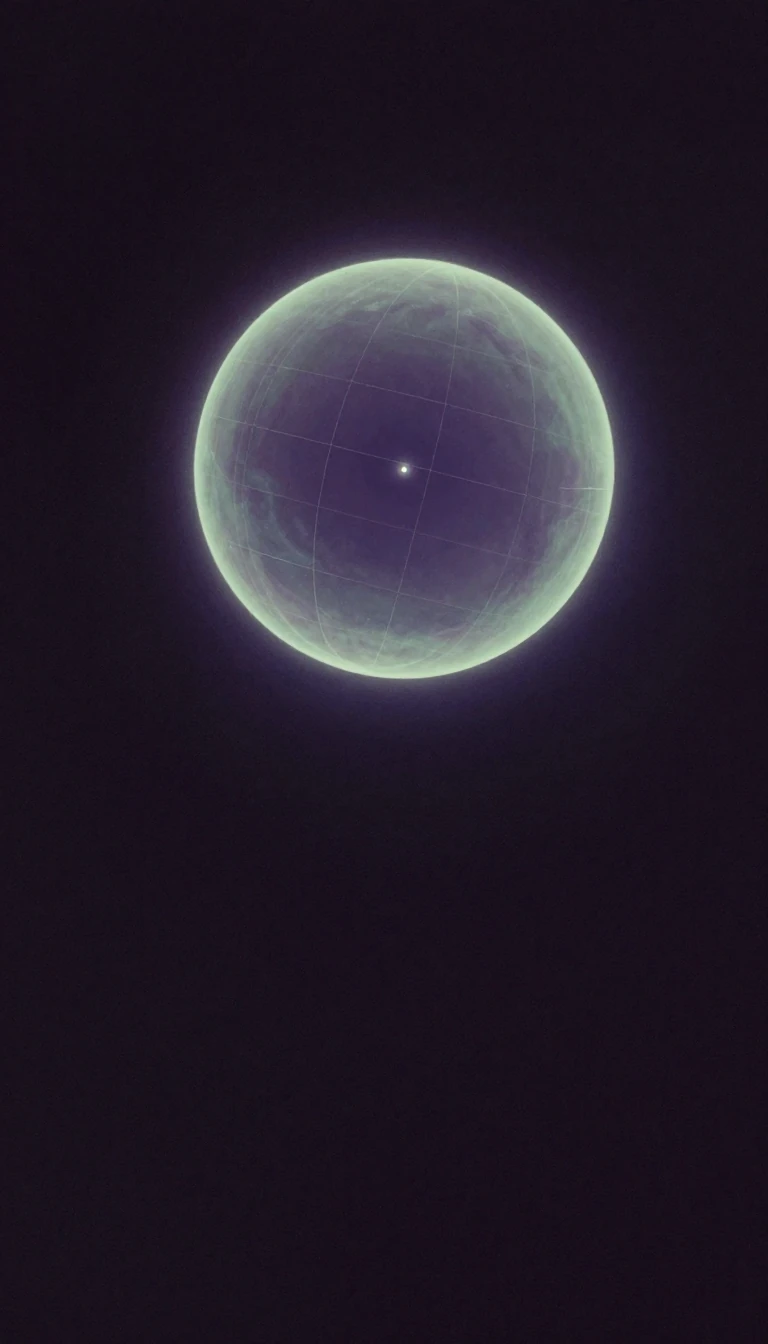
In short: Martin Behaim is celebrated for the Erdapfel, the oldest existing terrestrial globe. Yet, historical scrutiny suggests his reputation as a brilliant navigator and astronomer may be largely manufactured. While he secured a place in royal courts, evidence of his actual scientific contributions remains elusive, turning his legacy into a fascinating historical puzzle.
Born in Nuremberg in 1459, Martin Behaim began his career as a textile merchant, moving through Flanders and eventually settling in Lisbon by 1484. He quickly gained favor in the court of King John II, even receiving a knighthood in 1485. Early biographers painted him as a master navigator and a student of the renowned astronomer Regiomontanus, but modern historians have found no evidence to support these claims. There are no extant scientific writings by Behaim, and his supposed influence on navigational technology is contradicted by the fact that Portuguese mariners were already utilizing the instruments he allegedly introduced.
Behaim is best known for the Erdapfel, a 21-inch globe commissioned by the Nuremberg city council and completed in 1492. Constructed from papier-mache and coated in gypsum, the globe was a collaborative effort; while Behaim directed the project, the artist Georg Glockendon executed the map drawings. The globe serves as a snapshot of European geographical knowledge on the eve of the Americas' discovery, yet it is notably flawed. It relies heavily on the second-century geography of Ptolemy and lacks the contemporary Portuguese data that should have been available to Behaim at the time.
The myths surrounding Behaim grew over centuries. In 1682, Johann Christoph Wagenseil claimed Behaim discovered America before Columbus, a theory now dismissed by historians. Other legends suggest he influenced Magellan’s discovery of the southern passage, though this likely stems from Behaim’s vague depictions of mysterious lands rather than genuine cartographic insight. After returning to Portugal, Behaim lived on the island of Faial until his death in 1507. Today, the Erdapfel remains a vital historical artifact—not as a record of scientific discovery, but as an encyclopedia of the world as it was understood by the European imagination in 1492.
Opens the Intellect+ feed with this card first. Swipe up for the next one.
Sources
- Summary by Intellect · source: Martin Behaim
- Also: www.britannica.com — Martin Behaim | Explorer, Cartographer, Navigator | Britannica
To cite this card, link to https://intellectplus.co.uk/app/science-martin-behaim.
How we source, check and correct cards: Editorial standards.
General information, not professional advice. Spotted an error? Flag the card or see corrections and complaints.
Intellect Plus is a visual educational discovery platform for exploring fascinating facts and ideas. Brain Food, Not Brain Rot. What is Intellect Plus?
Related
More in Social scientists · More in Science · Latest · A–Z · All topics
