Why animals sometimes prefer artificial objects over their own natural counterparts
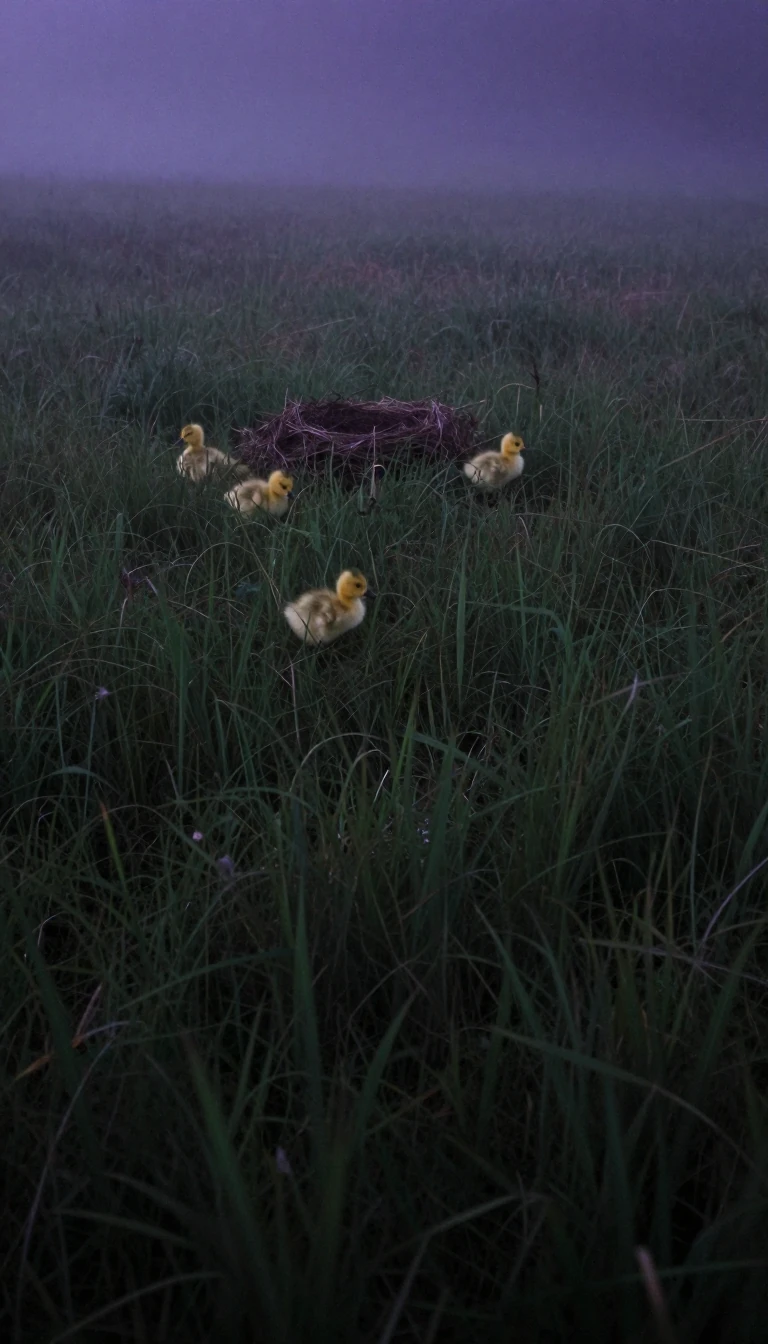
In short: Nikolaas Tinbergen, a Nobel-winning biologist, discovered that animals often respond more intensely to exaggerated, artificial stimuli than to natural ones. This concept of the supernormal stimulus reveals how instinctual behaviors are triggered, providing a window into the mechanisms that govern everything from bird nesting to human psychological patterns.
Nikolaas Tinbergen was a foundational figure in ethology, the study of animal behavior. Alongside Konrad Lorenz and Karl von Frisch, he shared the 1973 Nobel Prize in Physiology or Medicine for his work on how social and individual behavior patterns are organized and elicited. Tinbergen’s approach, which he famously called 'watching and wondering,' moved beyond mere observation to rigorous experimentation, testing how internal energy and external stimuli interact to drive instinctive actions.
Central to his research was the hierarchical model of behavior, which proposed that motivational impulses build up in the brain and are released in a cascade once specific triggers are met. Tinbergen famously demonstrated this through the 'supernormal stimulus.' For instance, he found that birds would choose to sit on oversized, brightly colored, or polka-dotted plaster eggs over their own natural, pale ones. Similarly, male three-spined sticklebacks attacked models with redder undersides more aggressively than real rivals. These experiments showed that instincts are often tuned to exaggerated features rather than the exact natural object.
Tinbergen’s legacy is perhaps best defined by his 'four questions' for analyzing any behavior: causation, development, function, and evolution. These categories—often grouped into proximate and ultimate mechanisms—remain a cornerstone of modern behavioral ecology. While his later attempts to apply these ethological principles to human autism through 'holding therapy' were controversial and lacked scientific support, his earlier work on instinct and stimulus remains a vital framework for understanding the biological roots of behavior.
Beyond his academic contributions, Tinbergen was a prolific communicator, collaborating on wildlife films like 'Signals for Survival.' He spent much of his career at Oxford, where he mentored prominent biologists such as Richard Dawkins. His life was marked by both professional triumph and personal struggle, including bouts of depression, yet his influence on the study of animal and human behavior persists as a fundamental pillar of the biological sciences.
Opens the Intellect+ feed with this card first. Swipe up for the next one.
Sources
- Summary by Intellect · source: Nikolaas Tinbergen
To cite this card, link to https://intellectplus.co.uk/app/science-nikolaas-tinbergen.
How we source, check and correct cards: Editorial standards.
General information, not professional advice. Spotted an error? Flag the card or see corrections and complaints.
Intellect Plus is a visual educational discovery platform for exploring fascinating facts and ideas. Brain Food, Not Brain Rot. What is Intellect Plus?
Related
More in Biology · More in Science · Latest · A–Z · All topics
