Why iron is the cosmic anchor of all matter in the universe
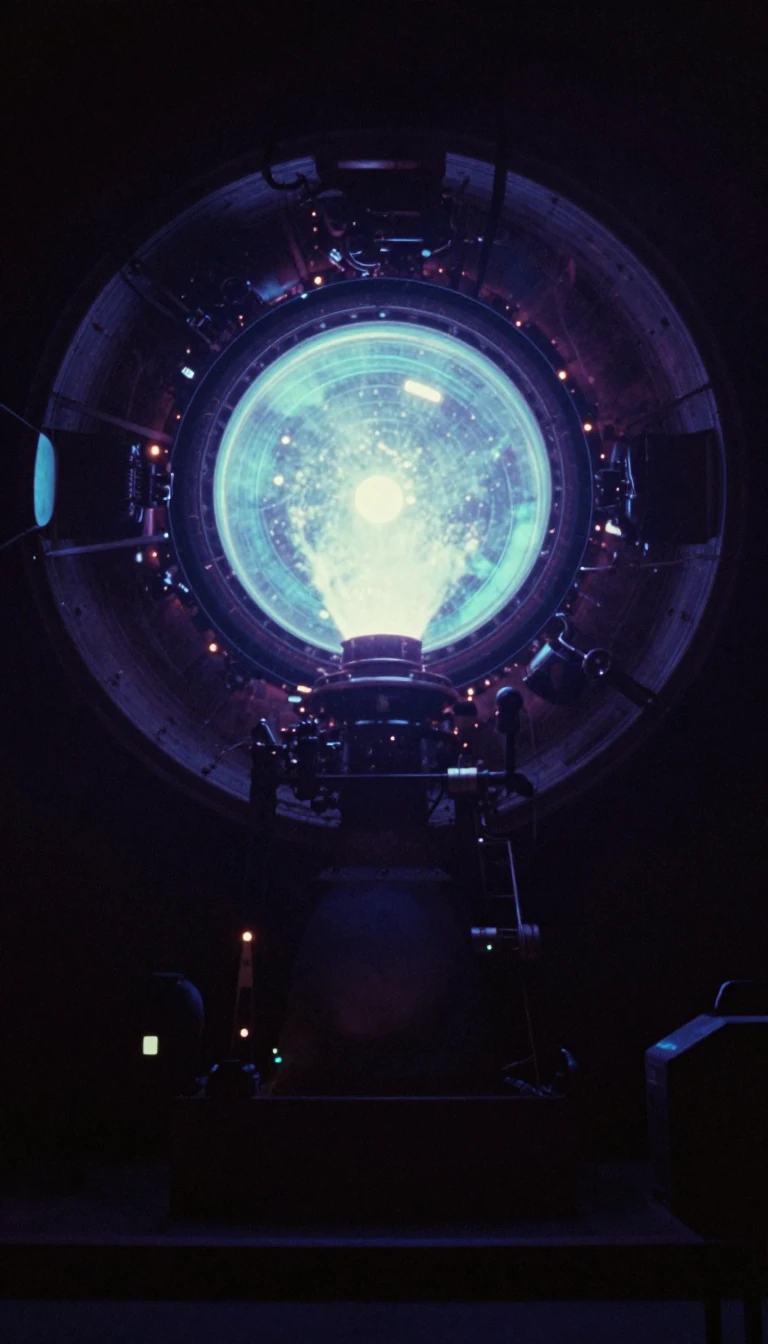
In short: Nuclear binding energy is the invisible glue holding atoms together. While fusion powers stars and fission drives our reactors, both processes are merely attempts to reach the ultimate stability of iron. Understanding this balance reveals why the universe is structured the way it is, from stellar cores to power plants.
At the heart of every atom lies a nucleus held together by the strong nuclear force, a short-range interaction that overcomes the intense electrostatic repulsion between positively charged protons. This binding energy is essentially the energy required to disassemble a nucleus into its constituent protons and neutrons. Because of Albert Einstein's mass-energy equivalence, E=mc2, the mass of a nucleus is always slightly less than the sum of its individual parts. This mass defect represents the energy released when the nucleus was formed.
The stability of a nucleus depends on the competition between the attractive strong force and the repulsive electric force. In light elements, fusion releases energy as smaller nuclei combine to form more stable structures. However, this process becomes less efficient as nuclei grow. For elements heavier than iron, the cumulative electrostatic repulsion of protons begins to outweigh the short-range attraction of the strong force. Consequently, these heavy nuclei are more stable when they break apart, a process known as nuclear fission.
Iron-56 stands as the most stable nucleus, acting as the cosmic pivot point. While nickel-62 is technically the most tightly bound per nucleon, iron-56 represents the most efficient configuration for matter. Beyond this peak, the disruptive effects of electric charge dominate, explaining why elements heavier than uranium are not found naturally on Earth and why even stable heavy elements eventually undergo radioactive decay. This fundamental limit dictates the life cycles of stars and the potential for human-made energy.
Harnessing these forces remains a significant challenge. While fission is a proven technology for electricity, fusion—the process that powers the Sun by combining hydrogen into helium—is notoriously difficult to replicate on Earth. Because protons repel each other, fusion requires extreme temperatures and pressures to force them together. Scientists continue to experiment with magnetic confinement to achieve this, aiming to tap into the immense energy released when the nuclear binding energy of light elements is optimized.
Opens the Intellect+ feed with this card first. Swipe up for the next one.
Sources
- Summary by Intellect · source: Nuclear binding energy
To cite this card, link to https://intellectplus.co.uk/app/science-nuclear-binding-energy.
How we source, check and correct cards: Editorial standards.
General information, not professional advice. Spotted an error? Flag the card or see corrections and complaints.
Intellect Plus is a visual educational discovery platform for exploring fascinating facts and ideas. Brain Food, Not Brain Rot. What is Intellect Plus?
Related
More in Nuclear physics · More in Science · Latest · A–Z · All topics
