Why the humble human stride became the foundation for our modern mile
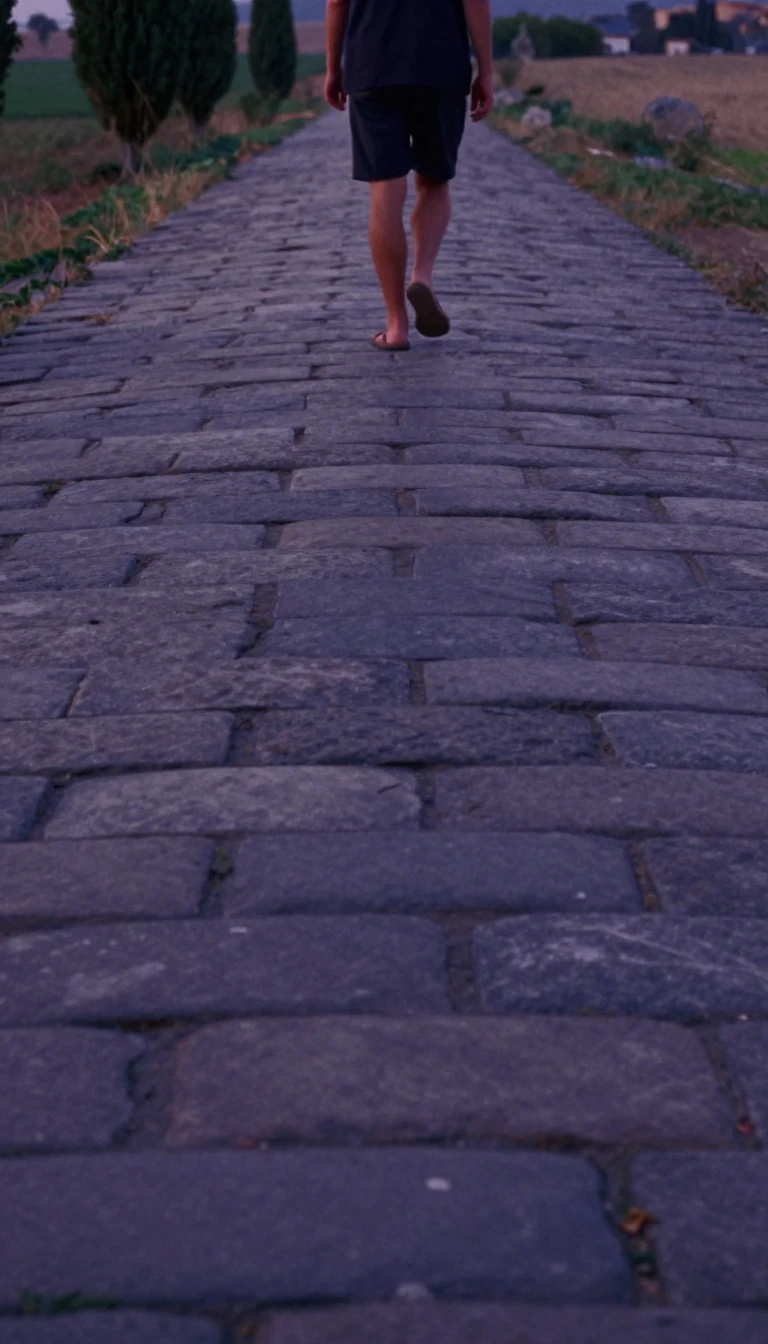
In short: Before standardized rulers, the pace was the universal tool for measuring distance. From the Roman passus to the Russian arshin, civilizations defined their world by the length of a human step. While we now rely on precise instruments, this ancient, variable unit remains embedded in our language and history.
The pace began as an informal, intuitive measurement of length, reflecting the natural stride of a person. Depending on the culture and era, it could represent either a single step or a double step—the distance covered by one foot until it strikes the ground again. Over time, these informal strides were standardized to serve military, surveying, and administrative needs. In the Roman Empire, Marcus Vipsanius Agrippa formalized the passus as five Roman feet, or two steps, totaling about 1.48 meters. This unit was so fundamental that a thousand paces, or mille passus, gave us the modern English word mile.
Standardization often relied on military marching or specific physical benchmarks. The Byzantine system adapted the Roman model, distinguishing between a single bḗma of 2.5 Greek feet and a double bḗma of 5 feet. In other regions, the pace took on unique local characteristics. The Welsh cam, for instance, was defined as three Welsh feet of nine inches each. These variations highlight how measurement was once deeply tied to the physical environment and the specific needs of the state, whether for land surveying or military logistics.
By the 18th century, the pace was even integrated into technological calibration. Peter the Great of Russia redefined the arshin—originally an arm's length—to match an English pace of exactly 28 inches. Because this unit was used by the military, it became the standard calibration measure for rifle sights, proving that even as units became more formal, their origins remained rooted in the human body. Today, the term persists in two distinct ways: as a rare customary unit of length in the United States, and as an inverse measure of speed, such as minutes per kilometer, used by runners and walkers to track their progress.
While the pace is no longer a primary scientific unit, its legacy persists in our vocabulary and the history of measurement. From the Roman mile to modern athletic training, the pace serves as a reminder that human movement was once the ultimate yardstick for the world around us.
Opens the Intellect+ feed with this card first. Swipe up for the next one.
Sources
- Summary by Intellect · source: Pace (unit)
To cite this card, link to https://intellectplus.co.uk/app/science-pace-unit.
How we source, check and correct cards: Editorial standards.
General information, not professional advice. Spotted an error? Flag the card or see corrections and complaints.
Intellect Plus is a visual educational discovery platform for exploring fascinating facts and ideas. Brain Food, Not Brain Rot. What is Intellect Plus?
Related
More in Measurement · More in Science · Latest · A–Z · All topics
