How chemical indicators reveal the hidden acidity of everyday substances through color changes
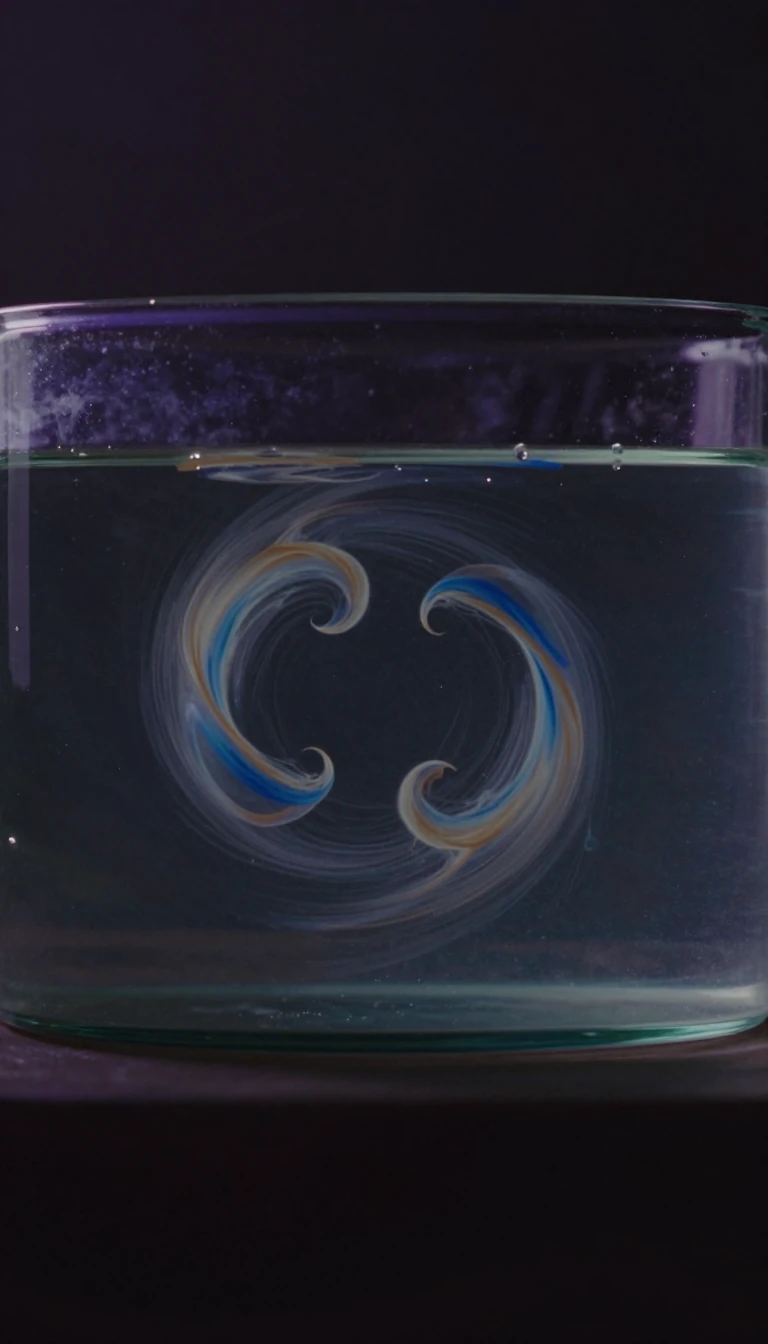
In short: A pH indicator is a chemical detector that reveals the concentration of hydrogen ions in a solution by changing color. From the vibrant petals of a hydrangea to the humble red cabbage, these compounds act as visual sensors, allowing us to map the invisible boundary between acidic and basic environments.
At the molecular level, pH indicators are typically weak acids or bases. They function by existing in two distinct forms—a conjugate acid and a conjugate base—each possessing unique light-absorption properties. As the pH of a solution shifts, the ratio between these two forms changes, triggering a visible color transition. This process is governed by the Henderson–Hasselbalch equation, which dictates that when the pH equals the indicator's pKa or pKb, both species exist in a 1:1 ratio. The color change is rarely instantaneous; it typically occurs over a range of plus or minus one unit from the pKa or pKb value, as the human eye begins to perceive the shift once at least 10% of the second species is present.
While visual observation is common in laboratory titrations, it is inherently subjective and prone to error. To achieve higher precision, scientists use spectrophotometry to measure absorbance at multiple wavelengths, allowing for a quantitative calculation of pH. For broader, less precise needs, chemists often use universal indicators—blends of multiple compounds that provide a spectrum of colors across a wide pH range. These tools are essential in analytical chemistry, though they are not infallible; extreme pH levels can destroy the indicator molecules through unwanted side reactions, and an poorly chosen indicator can lead to significant errors in determining the equivalence point of a reaction.
Nature provides its own array of indicators, such as anthocyanins found in berries, flowers, and red cabbage, which shift between red in acidic conditions and blue in basic ones. Even the soil influences plant biology, as seen in the hydrangea, where the availability of aluminium—dictated by soil acidity—determines whether the flowers bloom blue or pink. Historically, litmus, derived from lichen, has served as a standard, its name originating from the Old Norse for 'colored moss.' Today, the 'litmus test' has transcended chemistry to become a common metaphor for any definitive trial that distinguishes between two alternatives.
Opens the Intellect+ feed with this card first. Swipe up for the next one.
Sources
- Summary by Intellect · source: PH indicator
To cite this card, link to https://intellectplus.co.uk/app/science-ph-indicator.
How we source, check and correct cards: Editorial standards.
General information, not professional advice. Spotted an error? Flag the card or see corrections and complaints.
Intellect Plus is a visual educational discovery platform for exploring fascinating facts and ideas. Brain Food, Not Brain Rot. What is Intellect Plus?
Related
More in Analysis · More in Science · Latest · A–Z · All topics
