How a 12th-century translator brought the secrets of Arabic science to the West
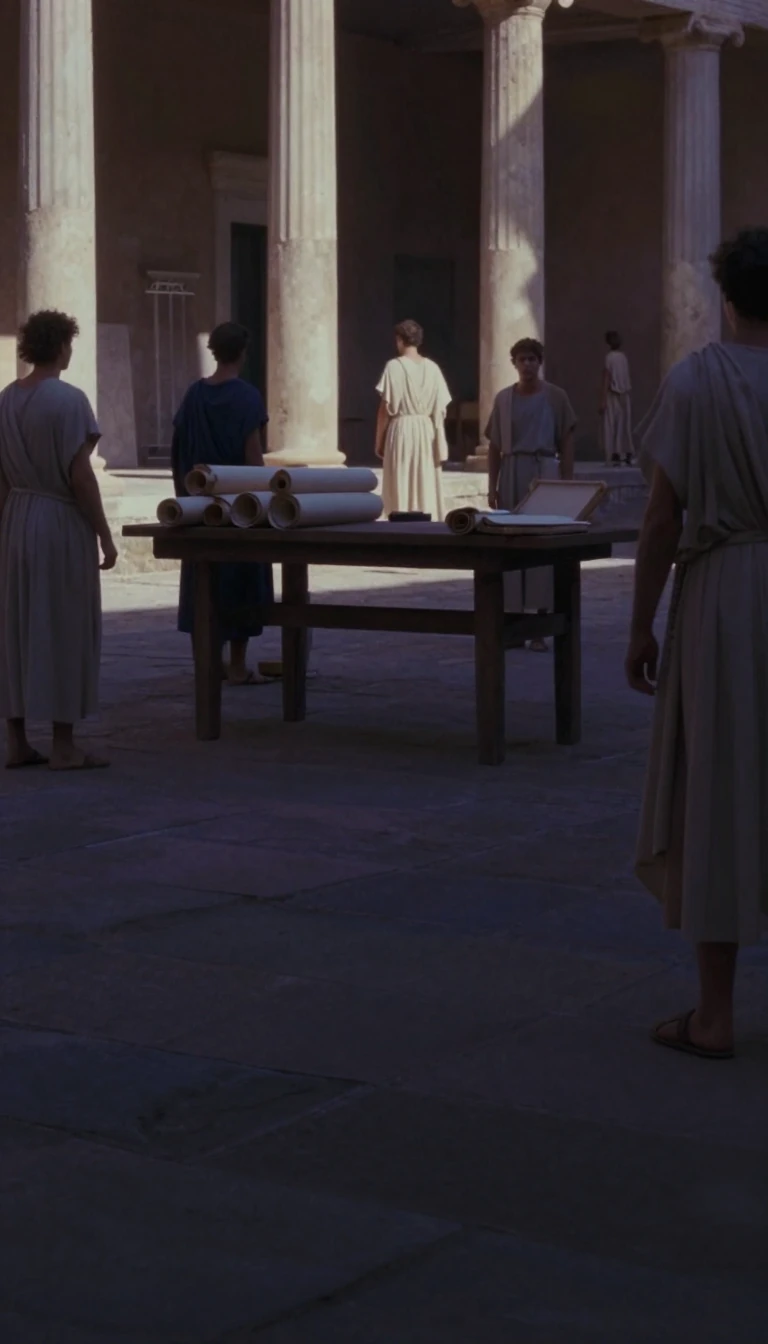
In short: Plato of Tivoli was a pivotal figure in the 12th-century intellectual exchange, working from Barcelona to translate essential Arabic and Hebrew texts into Latin. By introducing the astrolabe and advanced geometry to Europe, he laid the groundwork for thinkers like Fibonacci and Albertus Magnus to reshape Western scientific understanding.
Active during the 12th century, Plato of Tivoli—or Plato Tiburtinus—was a mathematician and astronomer who spent over two decades, from 1116 to 1138, living in Barcelona. This period was defined by his prolific translation work, where he acted as a bridge between the sophisticated scientific traditions of the Islamic world and the Latin-speaking West. His collaborations included working alongside the Jewish mathematician Savasorda, also known as Abraham bar Chiia.
Among his most significant contributions was the translation of the Liber Embadorum, or 'Book of Areas,' which he rendered from Hebrew in 1145. This work is particularly notable for containing one of the earliest comprehensive treatments of quadratic equations in the Occident. Its influence was profound, eventually informing the mathematical developments found in the works of Fibonacci. Beyond geometry, Plato was instrumental in disseminating astronomical knowledge, including the works of al-Battani and Theodosius’ Spherics.
Plato’s legacy is also tied to the practical application of science. He is credited with being the first to translate information regarding the astrolabe into Latin, specifically through his work on the De usu astrolabii by Abu’l-Qāsim Maslama. His reach extended deep into medieval scholarship; his manuscripts were widely circulated and utilized by prominent figures such as Albertus Magnus. In total, he is attributed with translating numerous works spanning astrology, geomancy, and medicine, including Ptolemy’s Tetrabiblos and the Book of Birth by the astrologer Albohali.
The sheer volume of his output, which included seven additional translations from Arabic, underscores his role as a primary conduit for the transmission of knowledge. By translating complex treatises into a language accessible to European scholars, Plato of Tivoli ensured that the mathematical and astronomical advancements of his predecessors were not lost, but rather integrated into the burgeoning intellectual landscape of the Middle Ages.
Opens the Intellect+ feed with this card first. Swipe up for the next one.
Sources
- Summary by Intellect · source: Plato Tiburtinus
To cite this card, link to https://intellectplus.co.uk/app/science-plato-tiburtinus.
How we source, check and correct cards: Editorial standards.
General information, not professional advice. Spotted an error? Flag the card or see corrections and complaints.
Intellect Plus is a visual educational discovery platform for exploring fascinating facts and ideas. Brain Food, Not Brain Rot. What is Intellect Plus?
Related
More in Mathematicians · More in Science · Latest · A–Z · All topics
