Proteins are not just chains of amino acids; they are complex, self-folding molecular machines.
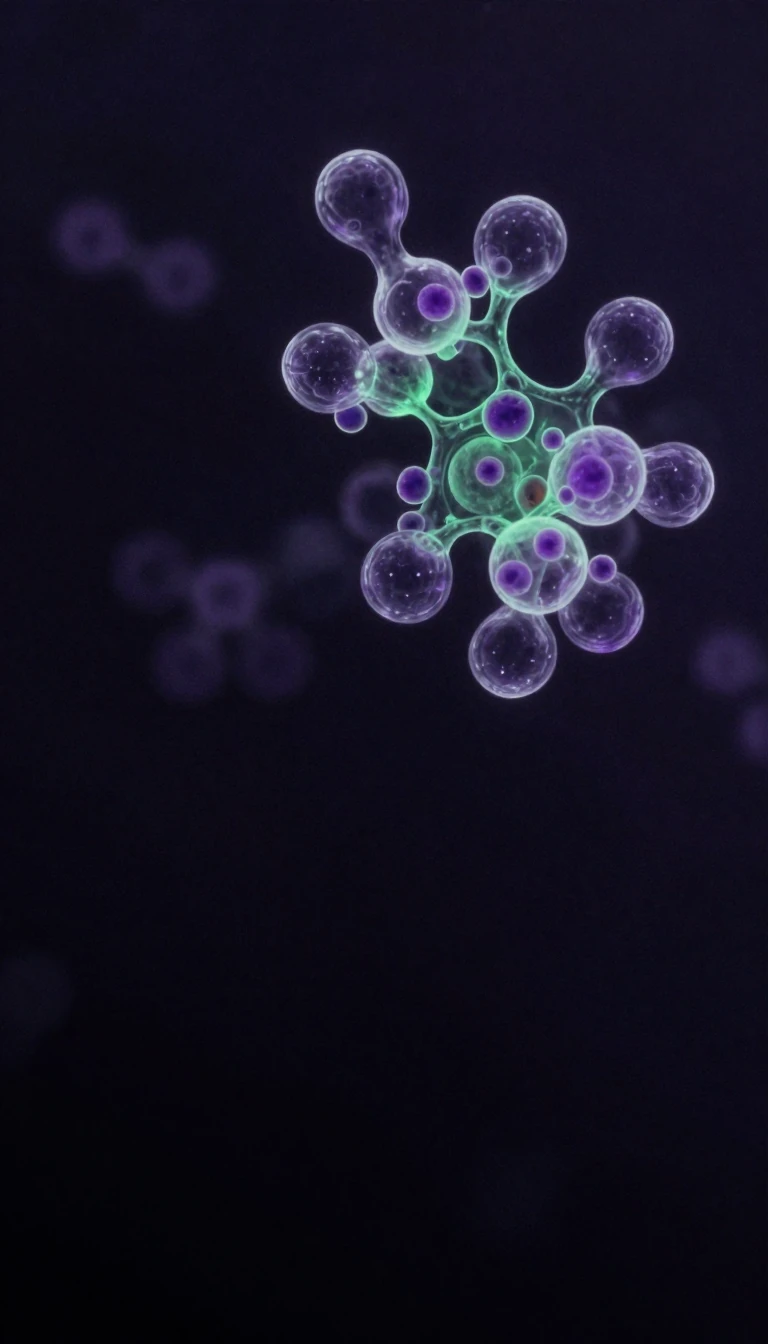
In short: Proteins are the workhorses of life, defined by their precise three-dimensional shapes. While they begin as simple, linear sequences of amino acids, they fold into intricate, functional structures driven by the chemistry of their side chains. Understanding this folding process is the key to unlocking how these biological machines function.
At their core, proteins are polypeptides—long chains of amino acids linked by peptide bonds. While nature offers over 100 amino acids, only 20 are commonly used to build proteins. The primary structure is simply the linear sequence of these residues, which is dictated by the genetic code. However, this sequence is merely the starting point. As the chain emerges, it begins to fold into a unique, energetically favorable conformation, a process guided by the specific chemical properties of the amino acid side chains.
The folding process is hierarchical. Secondary structure emerges when hydrogen bonding between the backbone atoms creates stable, recurring patterns known as alpha helices and beta sheets. These elements then fold further into a compact, three-dimensional tertiary structure. This final shape is stabilized by thousands of noncovalent interactions, including van der Waals forces, ionic bonds, and the burial of hydrophobic side chains away from the surrounding water. In some cases, disulfide bonds—covalent links between cysteine residues—act as structural anchors, creating loops in the chain.
The final architecture of a protein is not static. Proteins are dynamic, often undergoing small movements or conformational changes to perform their biological roles. Because these macromolecules are too small to be seen even with a microscope, scientists rely on indirect methods like X-ray crystallography to map the positions of their thousands of atoms. By placing purified protein crystals in an X-ray beam, researchers can decipher the complex geometry that allows a protein to function as a pump, a structural component, or a catalyst within the cell.
The diversity of protein function is staggering, driven by the near-infinite ways these 20 amino acids can be arranged. A chain of just 100 amino acids can theoretically exist in more than 10 to the power of 100 different sequences. This specificity ensures that each protein is uniquely suited to its environment, whether it is dissolved in the cytoplasm or embedded within a cell membrane.
Opens the Intellect+ feed with this card first. Swipe up for the next one.
Sources
- Summary by Intellect · source: Protein - Amino Acids, Structure, Function | Britannica
- Also: Protein Structure | Learn Science at Scitable
- Also: Protein structure
To cite this card, link to https://intellectplus.co.uk/app/science-protein-structure.
How we source, check and correct cards: Editorial standards.
General information, not professional advice. Spotted an error? Flag the card or see corrections and complaints.
Intellect Plus is a visual educational discovery platform for exploring fascinating facts and ideas. Brain Food, Not Brain Rot. What is Intellect Plus?
Related
More in Biochemistry · More in Science · Latest · A–Z · All topics
