Why the quart is a shape-shifting unit of measurement across the globe
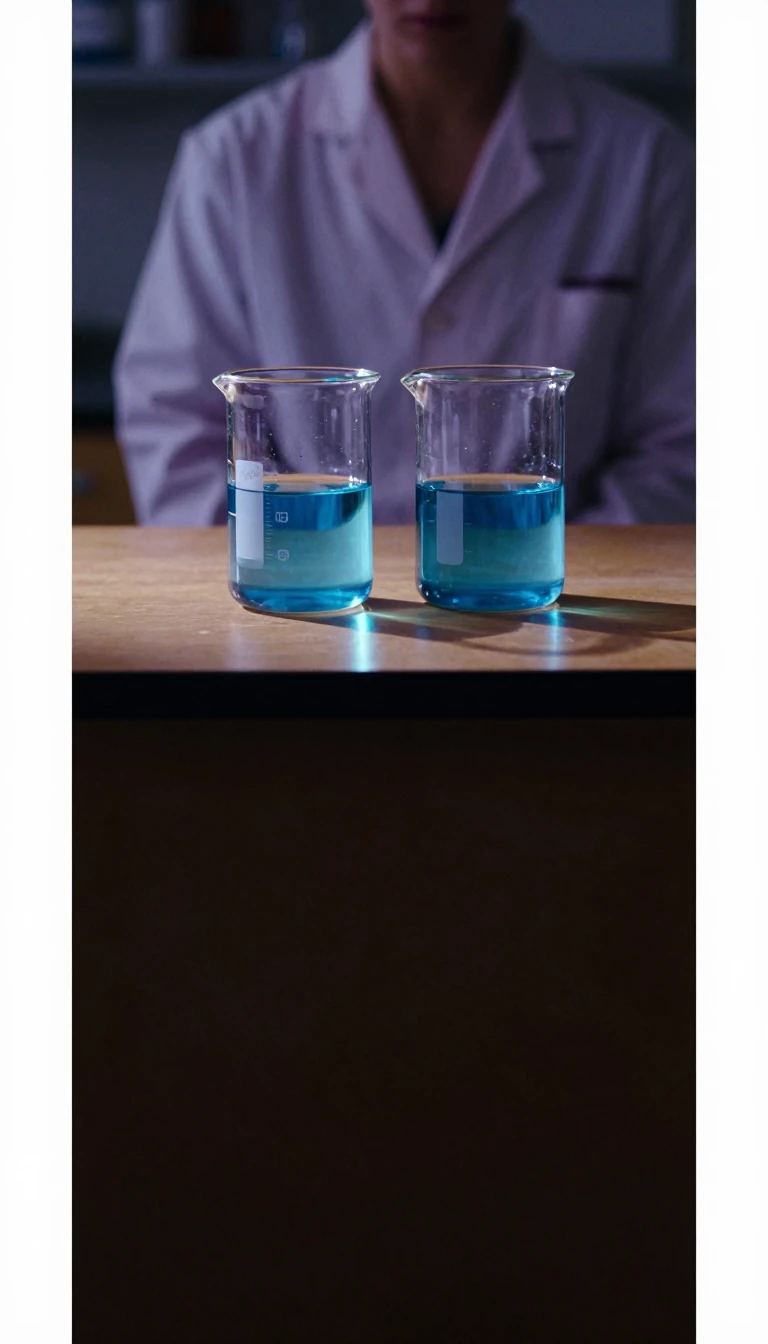
In short: The quart sounds like a simple quarter of a gallon, but its reality is far more chaotic. Depending on where you are and what you are measuring, a quart can represent three distinct volumes. From laboratory chemicals to wine bottles, this unit has evolved through centuries of inconsistent standardization.
The term quart derives from the Latin quartus, meaning one-quarter, yet its actual capacity has historically fluctuated alongside the shifting definitions of the gallon. Today, three primary versions persist: the US liquid quart, the US dry quart, and the British imperial quart. These variations are not merely academic; they reflect a complex history of regional standards and commodity-specific measurements that have resisted a single, universal definition.
In the United States, volume measures were legally anchored to the international yard and pound agreement of 1959. The US liquid quart is defined as one-fourth of a gallon, which itself is fixed at 231 cubic inches. Conversely, the dry quart is calculated as one-thirty-second of a US bushel, totaling 67.200625 cubic inches. These precise mathematical relationships ensure consistency within American commerce, yet they remain distinct from the imperial system used in the United Kingdom.
The imperial quart is derived from the imperial gallon, which is defined as exactly 4.54609 liters, making the imperial quart 1.1365225 liters. Beyond these standard measures, historical oddities like the Winchester quart and the reputed quart illustrate the unit's messy evolution. The Winchester quart, once half an imperial gallon, was later metricated to 2.5 liters for laboratory use, despite the name suggesting a smaller volume. Similarly, the reputed quart—once the standard for British wine bottles—was roughly two-thirds of an imperial quart.
These discrepancies highlight how language and measurement often diverge. In Canadian French, for instance, the term pinte is used for the imperial quart, while the word quart itself can refer to entirely different concepts. Even today, when purchasing goods in the UK, sellers must provide metric equivalents alongside the quart to avoid confusion, proving that even after centuries of use, the quart remains a unit that demands careful context.
Opens the Intellect+ feed with this card first. Swipe up for the next one.
Sources
- Summary by Intellect · source: Quart
To cite this card, link to https://intellectplus.co.uk/app/science-quart.
How we source, check and correct cards: Editorial standards.
General information, not professional advice. Spotted an error? Flag the card or see corrections and complaints.
Intellect Plus is a visual educational discovery platform for exploring fascinating facts and ideas. Brain Food, Not Brain Rot. What is Intellect Plus?
Related
More in Measurement · More in Science · Latest · A–Z · All topics
