Why your body might turn a safe medicine into a dangerous one
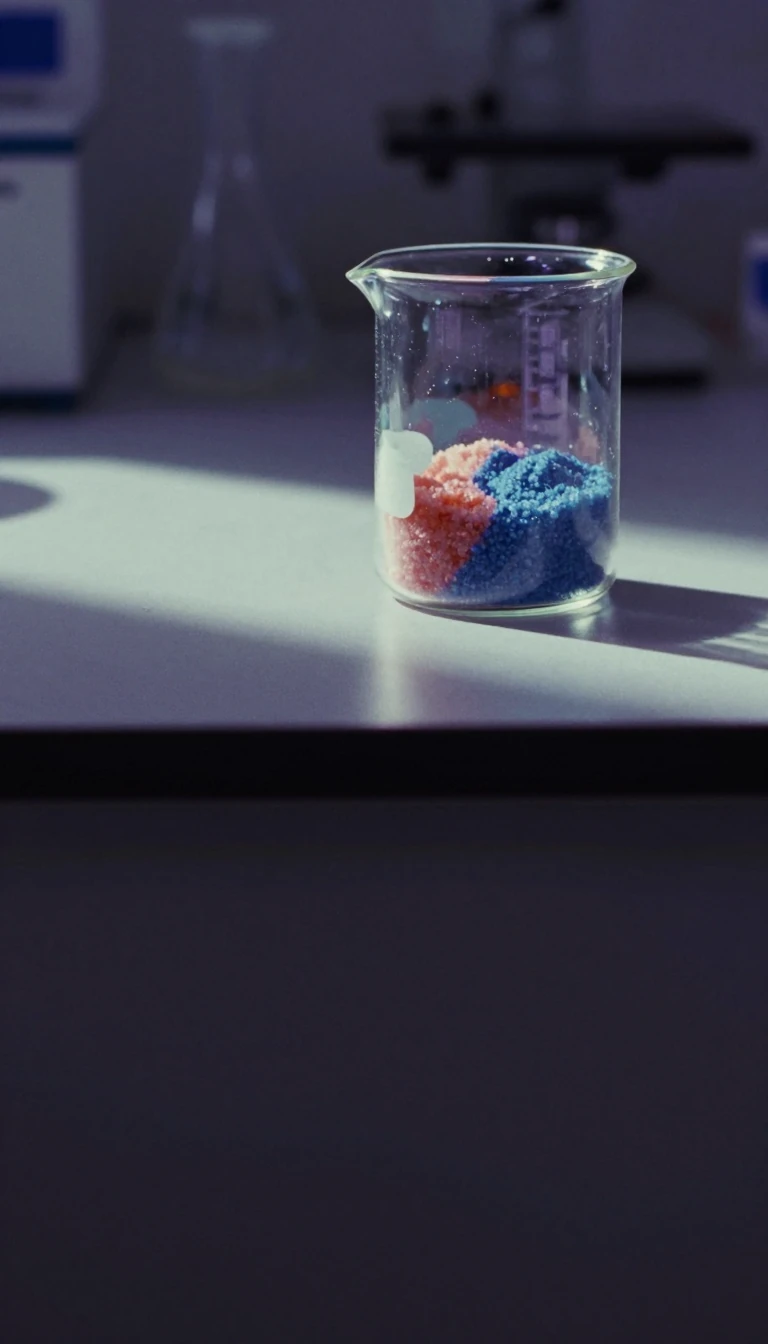
In short: Racemization is the chemical process where a pure, optically active substance transforms into a mixture of mirror-image molecules. Because our bodies are chiral, these two forms often interact with biology in radically different ways. Understanding this shift is critical for drug safety, forensic dating, and even understanding bacterial cell walls.
At the molecular level, chiral molecules exist as two non-superposable mirror images called enantiomers. One form rotates polarized light clockwise (dextrorotatory), while the other rotates it counter-clockwise (levorotatory). Racemization occurs when a pure sample of one enantiomer converts into an equal 1:1 ratio of both, creating a racemate. Because the two forms cancel each other out, the resulting mixture is optically inactive. This conversion can be triggered by heat or specific chemical reactions, such as those involving free carbocation intermediates or radical substitution.
The pharmaceutical implications are profound. Biological systems are highly stereoselective; enzymes and receptors often recognize only one specific enantiomer. For instance, while the (R) enantiomer of thalidomide was once used to treat morning sickness, its (S) counterpart is teratogenic and causes birth defects. Even if a drug is administered as a pure enantiomer, the body may racemize it in vivo, as seen with thalidomide in human blood serum. Other drugs, like ibuprofen or citalopram, rely on the activity of a single isomer, making the configurational stability of these compounds a primary focus of modern chiral organic synthesis.
Beyond medicine, racemization serves as a unique scientific tool. Because the process occurs at predictable rates in tissues with slow turnover, scientists use amino acid dating to estimate the age of forensic samples and geological fossils. The phenomenon was first identified in 1843 by Louis Pasteur, who separated crystals of racemic acid found in wine. Today, the field continues to evolve, as researchers study how bacteria synthesize D-amino acids to build resilient cell walls, a process that bypasses standard mRNA translation and creates structures resistant to human peptidases.
Opens the Intellect+ feed with this card first. Swipe up for the next one.
Sources
- Summary by Intellect · source: Racemization
- Also: www.britannica.com — Racemization | chemistry | Britannica
To cite this card, link to https://intellectplus.co.uk/app/science-racemization.
How we source, check and correct cards: Editorial standards.
General information, not professional advice. Spotted an error? Flag the card or see corrections and complaints.
Intellect Plus is a visual educational discovery platform for exploring fascinating facts and ideas. Brain Food, Not Brain Rot. What is Intellect Plus?
Related
More in Medicines · More in Health · Latest · A–Z · All topics
