Why your body can tell the difference between a mirror image and reality
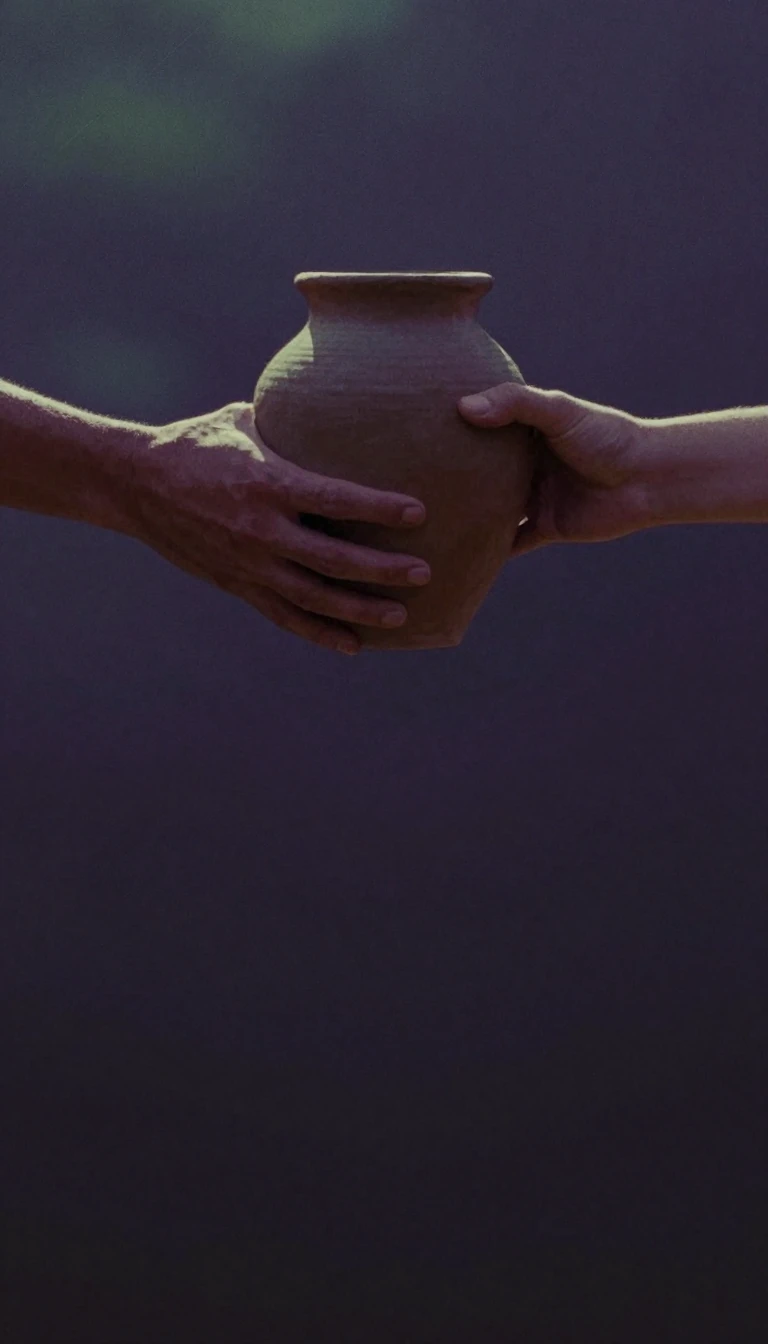
In short: Chirality is the geometric property of an object that cannot be superimposed on its mirror image, much like your left and right hands. In chemistry, this simple asymmetry dictates everything from the sweetness of a sugar to the toxicity of a medicine, fundamentally shaping how life interacts with matter.
At its core, chirality arises when a molecule lacks a plane of symmetry or an inversion point, meaning its mirror image is a distinct entity known as an enantiomer. While these pairs share identical physical and chemical properties in isolation, they behave differently when interacting with other chiral environments. This is why our biological systems, which are themselves composed of chiral building blocks like amino acids and sugars, react so differently to the two versions of a molecule. For instance, the antidepressant citalopram is often sold as a mixture, yet only one specific enantiomer provides the intended therapeutic benefit.
The consequences of this molecular handedness are profound in daily life. Our olfactory receptors are chiral, allowing us to distinguish between the spearmint scent of R-(–)-carvone and the caraway aroma of S-(+)-carvone. Similarly, the artificial sweetener aspartame demonstrates this selectivity: the L-enantiomer tastes sweet, while the D-enantiomer is entirely tasteless. In more critical cases, the distinction is a matter of safety. D-penicillamine is a vital treatment for rheumatoid arthritis, whereas its L-counterpart is toxic because it inhibits the action of essential vitamin B6.
Scientists remain intrigued by the origins of biological homochirality—the fact that life on Earth consistently utilizes only one enantiomer of these building blocks. One prevailing theory suggests that this preference was not inevitable but perhaps a result of early amino acids forming in comet dust, where circularly polarized stellar radiation selectively destroyed one chirality. Because enzymes function like glove-like cavities that only accept a specific 'hand' of a substrate, this ancient selection bias continues to dictate how modern organisms metabolize compounds, process pharmaceuticals, and perceive the world around them.
Opens the Intellect+ feed with this card first. Swipe up for the next one.
Sources
- Summary by Intellect · source: Chirality (chemistry)
To cite this card, link to https://intellectplus.co.uk/app/science-chirality-chemistry.
How we source, check and correct cards: Editorial standards.
General information, not professional advice. Spotted an error? Flag the card or see corrections and complaints.
Intellect Plus is a visual educational discovery platform for exploring fascinating facts and ideas. Brain Food, Not Brain Rot. What is Intellect Plus?
Related
More in Theory · More in Science · Latest · A–Z · All topics
