Why nature keeps species apart through the rigid clockwork of time and behavior
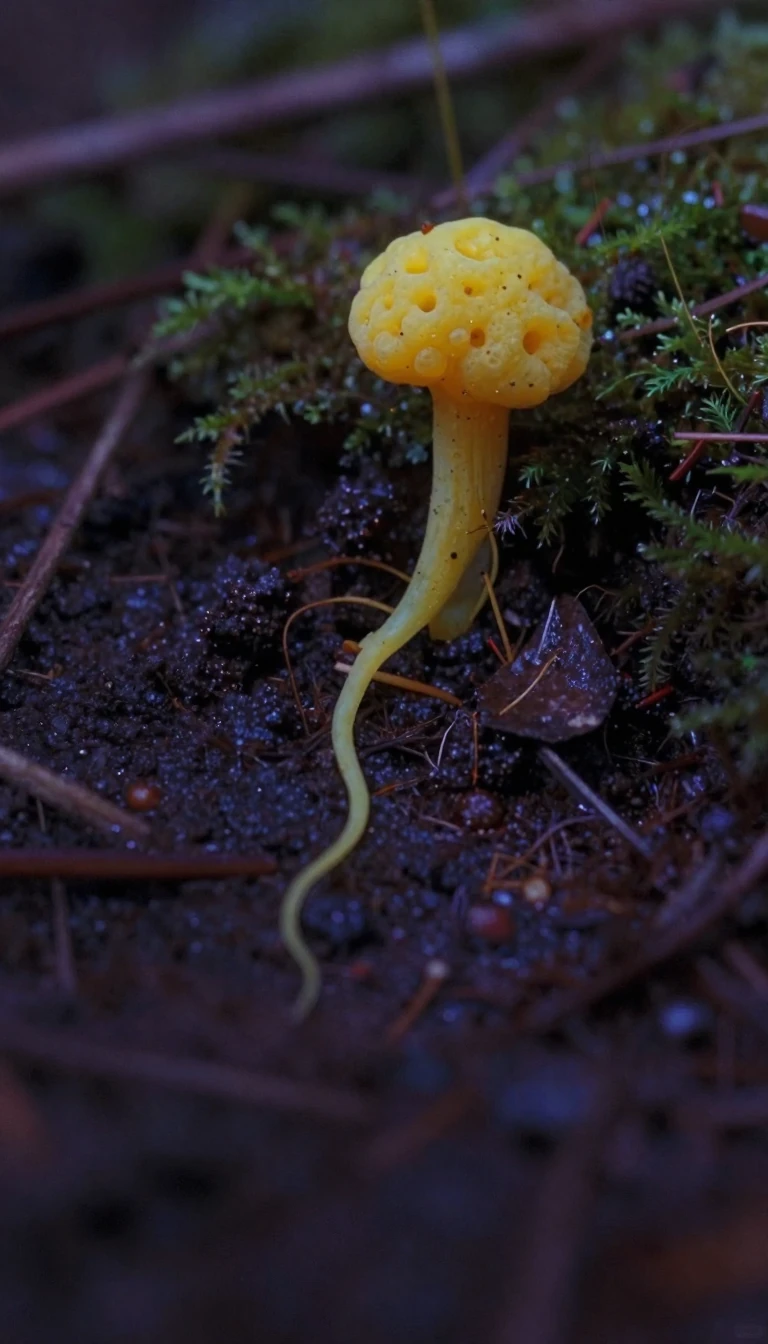
In short: Species do not always need mountains or oceans to stay separate. Sometimes, the barrier is as simple as a calendar or a dance. By timing their reproduction to different seasons, days, or even decades, organisms ensure they never cross paths, maintaining the unique integrity of their genetic lines.
Reproductive isolation refers to the biological mechanisms that prevent interbreeding between sexual organisms. These barriers are essential for speciation, as they maintain the distinct identity of a species by limiting gene flow. Zoologist Ernst Mayr categorized these mechanisms into pre-zygotic barriers, which act before fertilization, and post-zygotic barriers, which occur after. Pre-zygotic mechanisms are often considered more efficient for a population because they prevent the waste of resources on non-viable or sterile offspring.
Temporal isolation is a striking example of a pre-zygotic barrier where timing prevents mating. In the 1950s, botanist Richard Eric Holttum observed three Malaysian orchid species that flowered for only one day in response to rain. Despite sharing the same stimulus, each species had a distinct lag time of 8, 9, or 10 to 11 days, ensuring they never bloomed simultaneously. Similarly, in the United States, cicadas of the genus Magicicada emerge on 13-year and 17-year cycles. While they can technically interbreed, their life cycles mean they only align once every 221 years, though environmental factors like soil temperature can occasionally disrupt these rigid schedules.
Beyond timing, behavior acts as a powerful filter. Many animals rely on complex courtship rituals—such as specific songs, dances, or pheromones—to recognize potential mates. Even when two species are morphologically identical, such as certain Drosophila fruit flies, subtle differences in female selection behavior or male courtship patterns can prevent mating. Other barriers include ecological differences, such as stickleback fish populations adapted to different salt concentrations, or plants that occupy distinct habitats like sunny versus shaded areas. These mechanisms ensure that even when species live in the same territory, they remain reproductively distinct.
While these barriers are robust, they are not always absolute. Environmental shifts and climatic changes can influence the timing of biological events, potentially creating rare opportunities for hybridization. Understanding these mechanisms reveals how nature preserves biodiversity through a combination of genetic regulation, environmental adaptation, and behavioral synchronization.
Opens the Intellect+ feed with this card first. Swipe up for the next one.
Sources
- Summary by Intellect · source: Reproductive isolation | biology | Britannica
- Also: Reproductive isolation
To cite this card, link to https://intellectplus.co.uk/app/science-reproductive-isolation.
How we source, check and correct cards: Editorial standards.
General information, not professional advice. Spotted an error? Flag the card or see corrections and complaints.
Intellect Plus is a visual educational discovery platform for exploring fascinating facts and ideas. Brain Food, Not Brain Rot. What is Intellect Plus?
Related
More in Evolutionary biology · More in Science · Latest · A–Z · All topics
