How triplet energy transfer can drive the creation of chiral molecules
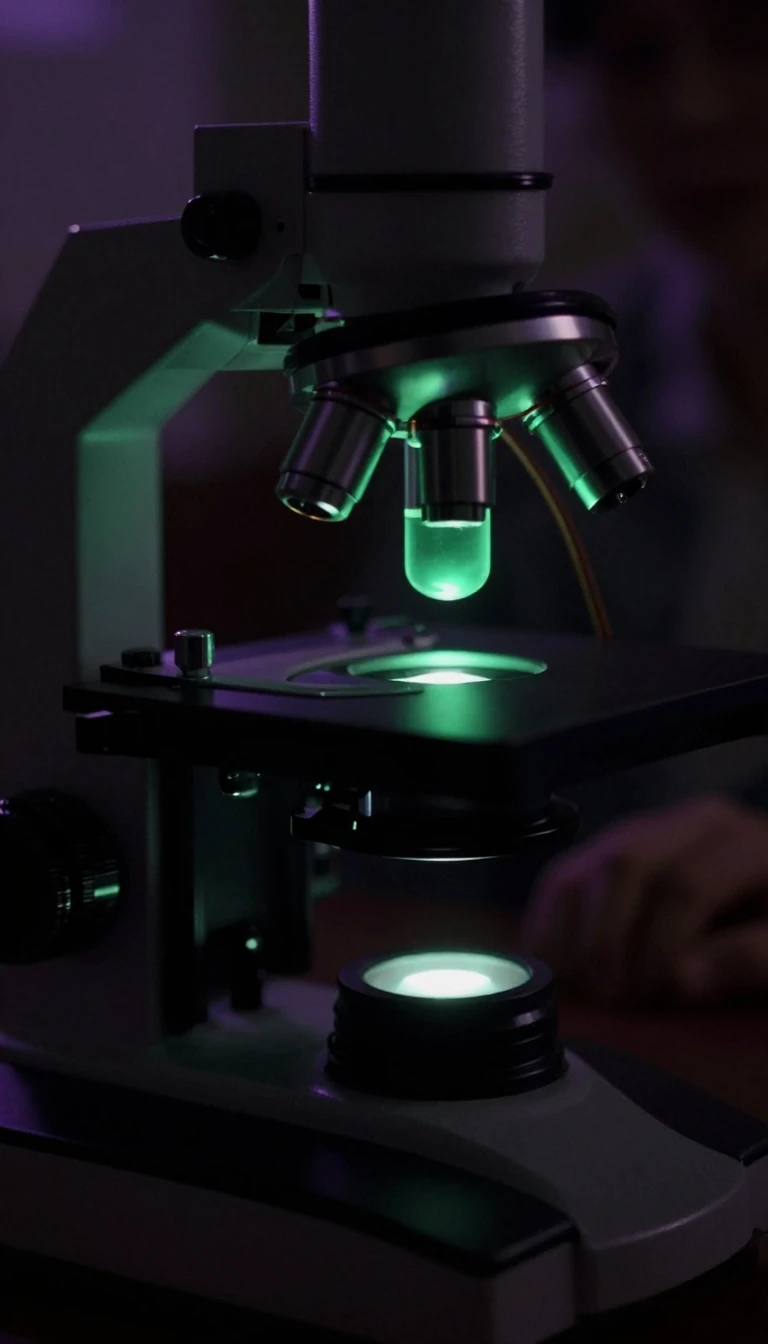
In short: A review of photochemical research shows that scientists can use triplet energy transfer to drive enantioselective reactions. By using a sensitizer to transfer energy to a substrate, researchers can facilitate chemical transformations that produce specific mirror-image molecules, a process that has become significantly more effective in recent years.
The review surveys various methods where a sensitizer acts as a catalyst, absorbing photons to transfer energy to a substrate. This can be achieved using a chiral sensitizer or a dual catalytic approach with a second chiral catalyst. While the concept has existed for over fifty years, achieving high levels of selectivity has been a more recent development in the field.
Why it matters: Triplet energy transfer provides a powerful way to control the handedness of molecules in light-driven chemistry.
Opens the Intellect+ feed with this card first. Swipe up for the next one.
Sources
- Summary by Intellect · source: Research: Grokopf et al. (2021). Enantioselective Photochemical Reactions Enabled by Triplet Energy Transfer. Chemical Reviews.
To cite this card, link to https://intellectplus.co.uk/app/science-research-how-triplet-energy-transfer-can-drive-the-creation-of-chiral.
How we source, check and correct cards: Editorial standards.
General information, not professional advice. Spotted an error? Flag the card or see corrections and complaints.
Intellect Plus is a visual educational discovery platform for exploring fascinating facts and ideas. Brain Food, Not Brain Rot. What is Intellect Plus?
Related
More in Chemistry · More in Science · Latest · A–Z · All topics
