The chemistry of a viral stunt that mimics literal fire
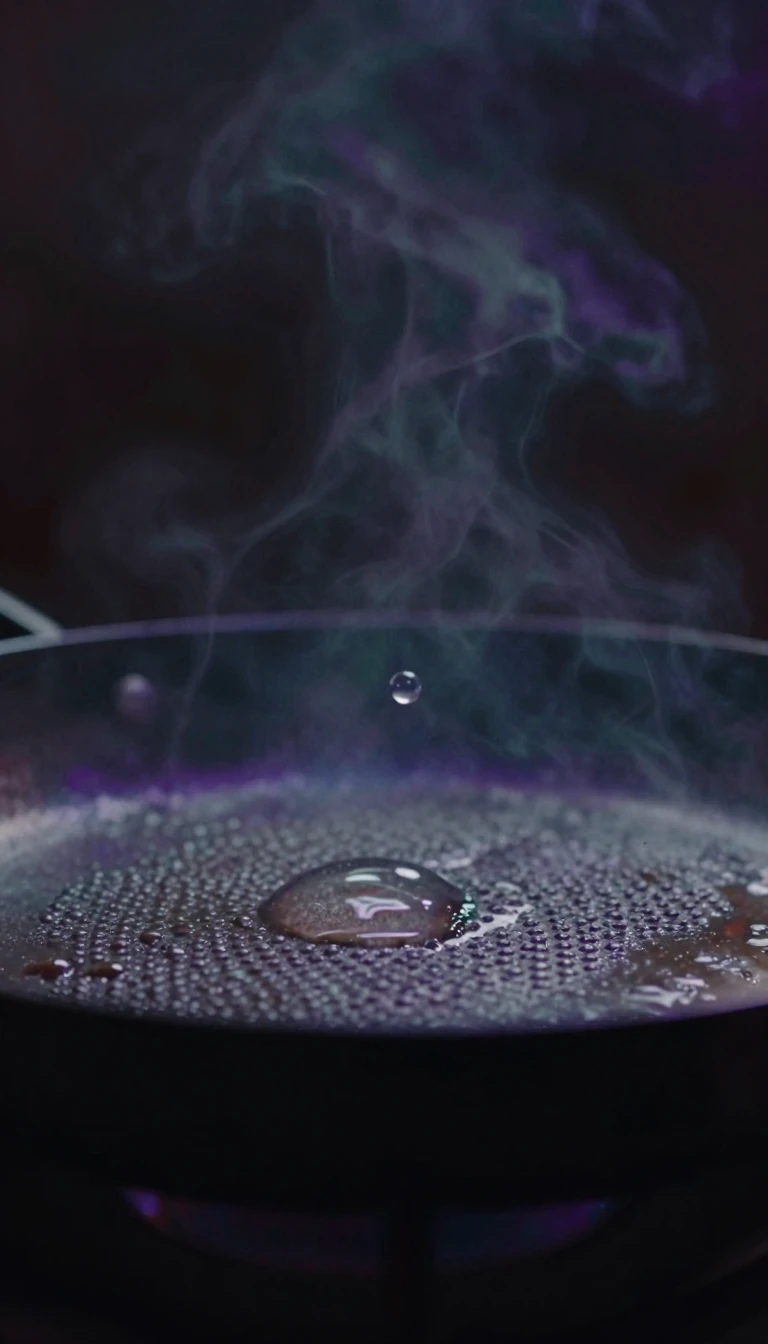
In short: Mixing common table salt with ice creates a eutectic frigorific mixture that mimics the sensation of a lighter's flame. This chemical reaction can drop temperatures to -18 °C, causing severe frostbite and permanent scarring. Because the cold numbs the nerves, participants often do not realize they are sustaining deep tissue damage.
The salt and ice challenge involves pouring salt on the skin before applying ice, creating a eutectic frigorific mixture. This reaction occurs because of molecular polarity; the ions in sodium chloride are influenced by the molecular polarizability of the ice. Because the electron spacing in table salt differs from that of ice, the salt lowers the melting point of the ice, causing the two substances to bind and the ice to melt rapidly.
The physical result is a rapid drop in temperature that can reach -18 °C (0 °F). Frost nip occurs because blood flow is interrupted when tissue between the skin's dermal and epidermal layers freezes. Ongoing chemical processes create ice crystals capable of leaving lasting scars or burns, frequently producing painful open wounds, blistering, and second- or third-degree damage.
A significant danger of this stunt is the numbing sensation caused by the extreme cold and potential nerve damage. Participants may be unaware of the severity of their injuries until the salt enters lesions created during the challenge, at which point they feel intense pain. While epithelial cells may slowly regenerate over several days, skin discoloration can remain as a permanent mark.
The stunt became well-known during the early 2010s and late 2000s. User OxZmoran uploaded the initial recorded clip to YouTube in 2006, whereas eBaum's World hosted the first viral version, which reached nearly 500,000 views. This digital spread led to widespread media warnings by outlets like CBS News and ABC Action News, which reported on hospitalizations and serious burns resulting from the trend. The mechanism is a classic example of freezing point depression. By introducing a solute (salt) into a solvent (ice), the equilibrium of the solid state is disrupted. In this specific context, the interaction is so aggressive that it creates a localized environment of extreme cryogenic stress, turning a common household item into a tool for severe chemical and thermal trauma.
Opens the Intellect+ feed with this card first. Swipe up for the next one.
Sources
- Summary by Intellect · source: Salt and ice challenge
To cite this card, link to https://intellectplus.co.uk/app/science-salt-and-ice-challenge.
How we source, check and correct cards: Editorial standards.
General information, not professional advice. Spotted an error? Flag the card or see corrections and complaints.
Intellect Plus is a visual educational discovery platform for exploring fascinating facts and ideas. Brain Food, Not Brain Rot. What is Intellect Plus?
Related
More in Ice · More in Science · Latest · A–Z · All topics
