The maritime city that turned shipwrecks into a museum of history
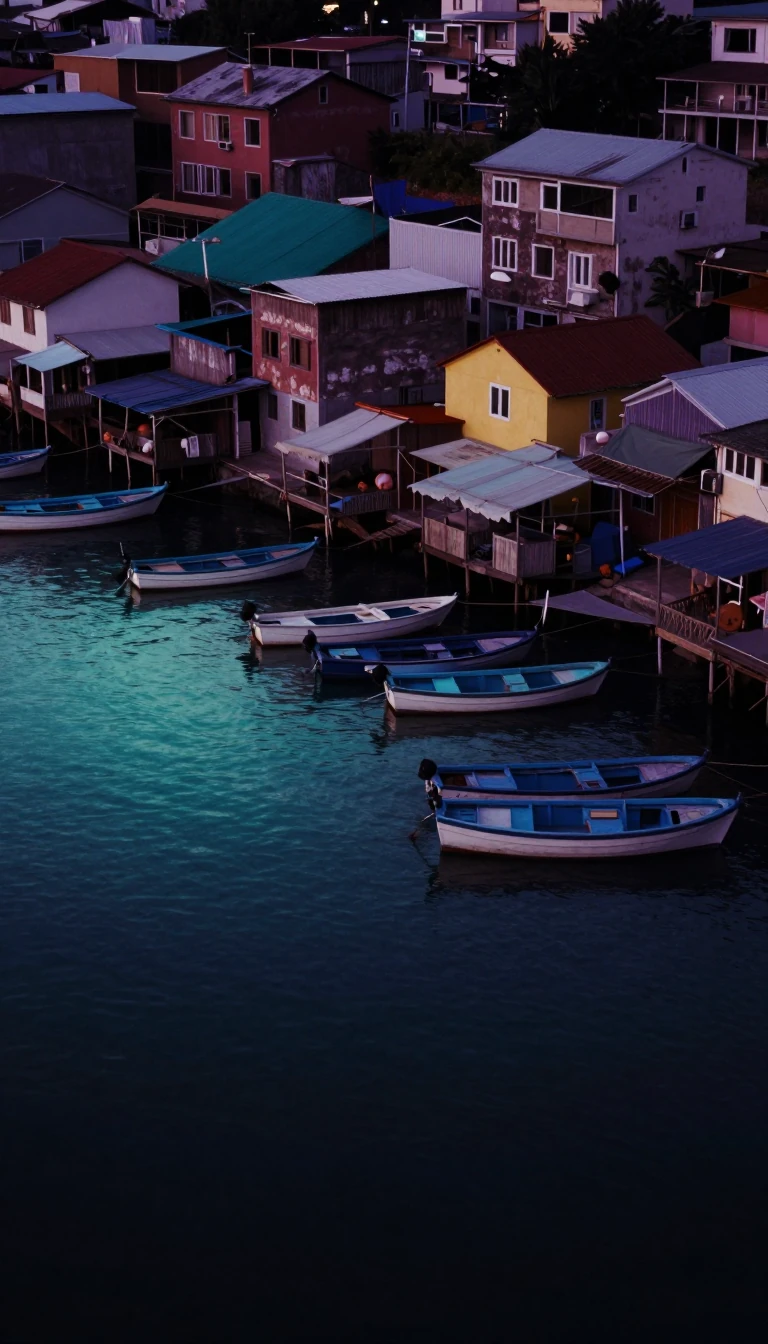
In short: San Benedetto del Tronto isn't just a port; it is a sprawling archaeological archive. By utilizing bottom trawling techniques, local fishing boats have pulled lost artifacts from the Mediterranean floor, creating a unique collection of ancient amphoras that tell the story of vanished civilizations.
The city's identity is deeply rooted in its relationship with the Adriatic Sea. While it serves as a modern hub for tourism and a primary national fishing center, its history stretches back to the 1st century BC. Archaeological evidence, including a maritime villa, confirms early settlements near the ancient city of Alba Picena. The city's growth has been punctuated by dramatic shifts: from being decimated by a plague in 1478 to being repeatedly invaded by Turks between the 16th and 19th centuries, eventually finding stability through repopulation and industrial expansion.
A unique cultural mechanism exists in the city's maritime heritage. The 'Augusto Capriotti' Fish Museum houses over 9,000 specimens, but its neighbor, the Amphora Museum, offers a different kind of science. This collection features amphoras from diverse eras—including Canaanite, Phoenician, Punic, Greek, Roman, and Byzantine—recovered by Sambenedetti fishing boats. These finds were made possible by bottom trawling, a method that allowed fishermen to scour the seabed for relics of past civilizations, effectively turning the local fishing fleet into accidental archaeologists.
Today, San Benedetto del Tronto balances this ancient legacy with modern infrastructure. It is part of a massive urban agglomeration that reaches a metropolitan population of 175,818. The city's layout reflects its evolution, from the 'high country' (Paese Alto) with its Roman-era ruins and 11th-century abbeys to the 20th-century waterfront and the 31-meter-high lighthouse. It remains a vital node for Italy's maritime economy, hosting the nation's most important wholesale fish market and a sophisticated cold chain for transport.
The city also serves as a site of artistic and meteorological significance. It hosts an open-air museum with 195 artworks by creators from 37 nations and experiences unique weather events like the 'nevone'—significant snowfall caused by cold air from the Balkans. This blend of artistic expression, scientific preservation, and maritime industry defines the city's role as a guardian of Mediterranean history.
Opens the Intellect+ feed with this card first. Swipe up for the next one.
Sources
- Summary by Intellect · source: San Benedetto del Tronto
To cite this card, link to https://intellectplus.co.uk/app/science-san-benedetto-del-tronto.
How we source, check and correct cards: Editorial standards.
General information, not professional advice. Spotted an error? Flag the card or see corrections and complaints.
Intellect Plus is a visual educational discovery platform for exploring fascinating facts and ideas. Brain Food, Not Brain Rot. What is Intellect Plus?
Related
More in Mathematicians · More in Science · Latest · A–Z · All topics
