Sarov: The Russian holy site that became a secret city for nuclear weapons
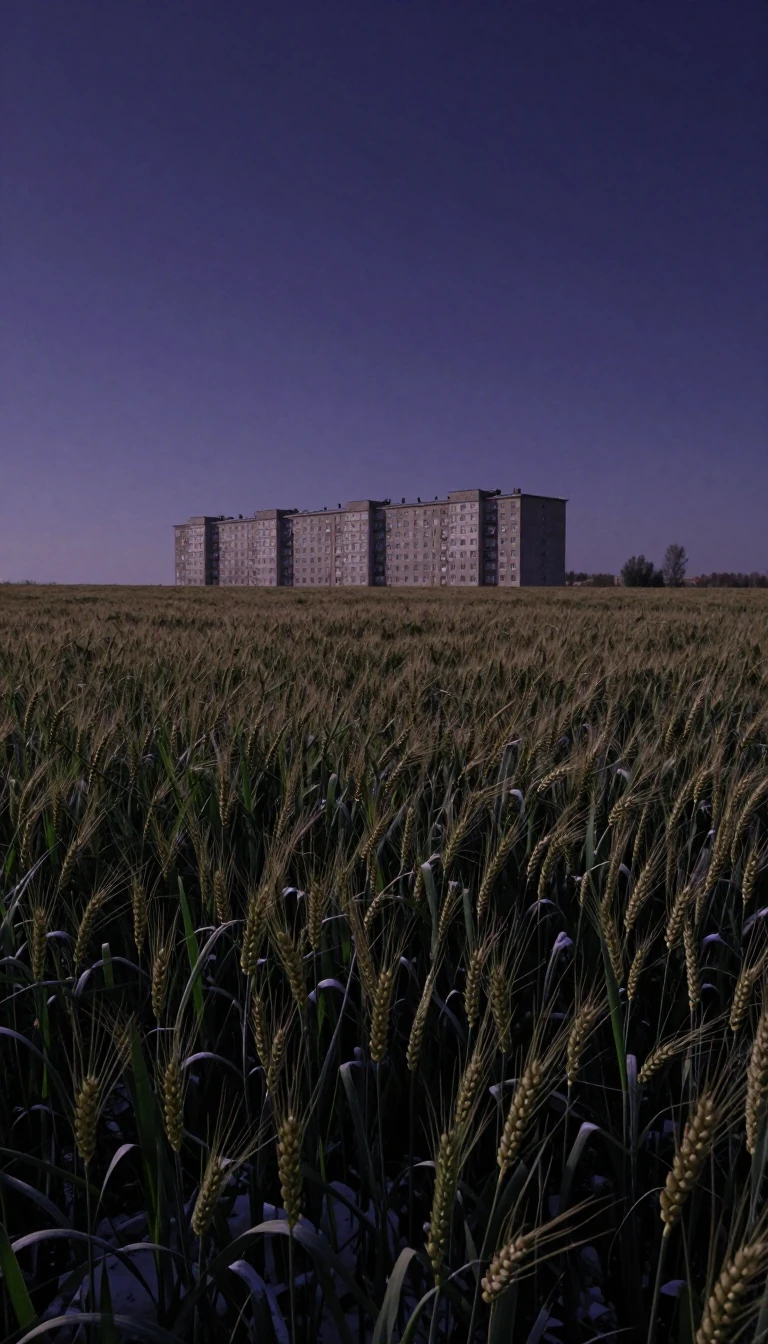
In short: Once a sacred destination for Orthodox pilgrims and home to Saint Seraphim, Sarov transformed into a clandestine hub for Soviet nuclear research. Known by various code names during the Cold War, this restricted city remains a high-security center for nuclear development, maintaining a strange, professional kinship with Los Alamos.
The history of Sarov is a study in radical transformation. Originally a 12th-century Mordvin settlement, it gained prominence in 1664 when the monk Theodosius established a monastery on the site. By 1903, it was a major spiritual center visited by Tsar Nicholas II, housing hundreds of monks across nine churches. This religious identity was violently severed in 1923 when the Bolsheviks closed the monastery and executed the monks. During World War II, the site pivoted to military production, manufacturing rockets for Katyusha launchers.
In 1946, the town entered its most secretive phase as the home of the All-Union Scientific Research Institute of Experimental Physics, or VNIIEF. Erased from unclassified maps and known variously as Arzamas-16 or Base 112, the city became the heart of the Soviet nuclear program. It remains a closed city today, surrounded by military-patrolled fences. Access is strictly controlled; visitors must secure special permission, and even business travelers are often required to surrender their personal electronics and passports upon entry.
Despite its isolation, Sarov maintains a unique international connection. In 1993, it became a sister city to Los Alamos, New Mexico. Scientists from both the Russian Federation Nuclear Center and the Los Alamos National Laboratory have collaborated on arms control and nuclear safeguards. This relationship revealed a shared professional culture, with Russian researchers playfully dubbing their own facility 'Los Arzamas' in a nod to their American counterparts. Today, the city continues its dual role as a site for fundamental physics research and the management of Russia's nuclear arsenal, a legacy underscored by the 2019 burial of five Rosatom workers killed during a radiation accident involving the Burevestnik missile system.
Opens the Intellect+ feed with this card first. Swipe up for the next one.
Sources
- Summary by Intellect · source: Sarov
To cite this card, link to https://intellectplus.co.uk/app/science-sarov.
How we source, check and correct cards: Editorial standards.
General information, not professional advice. Spotted an error? Flag the card or see corrections and complaints.
Intellect Plus is a visual educational discovery platform for exploring fascinating facts and ideas. Brain Food, Not Brain Rot. What is Intellect Plus?
Related
More in Physics · More in Science · Latest · A–Z · All topics
