The highly reactive, invisible gas hiding in plain sight within our atmosphere
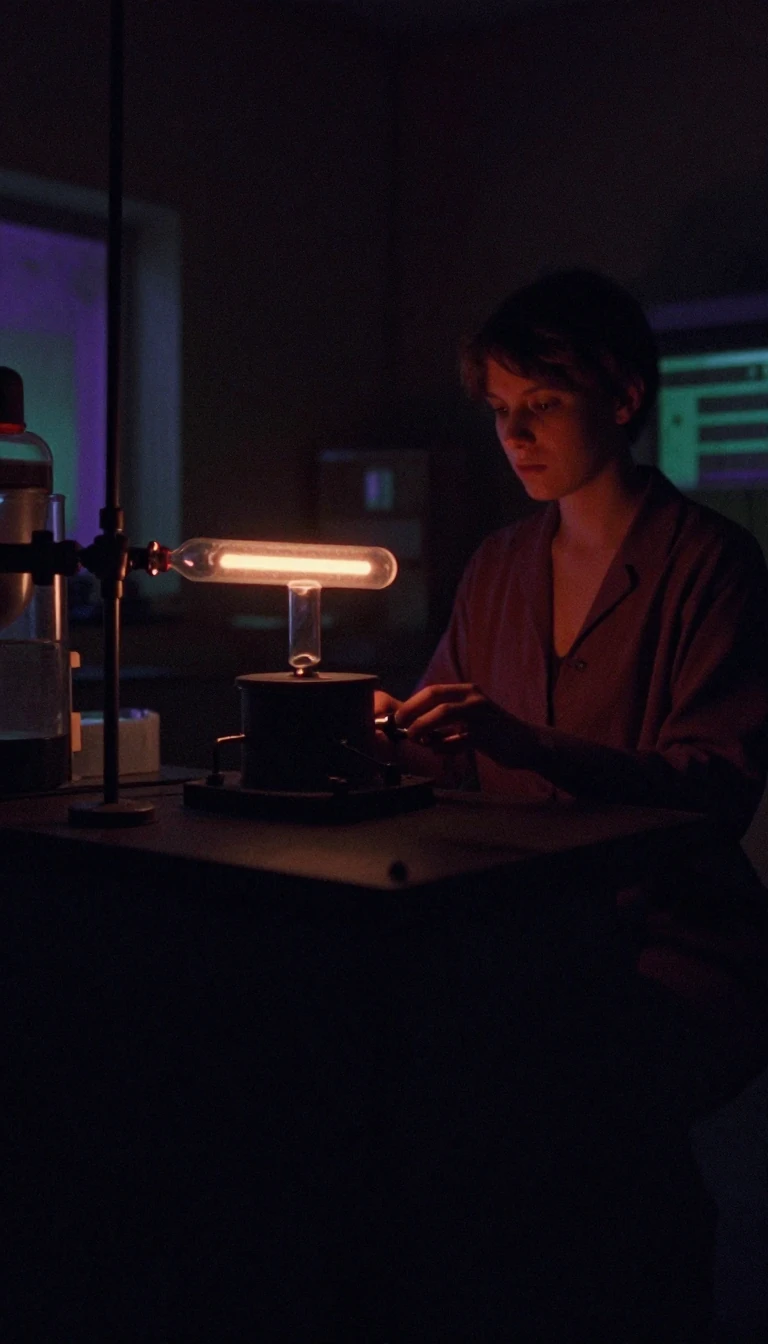
In short: Singlet oxygen is a high-energy, excited version of the air we breathe. While standard oxygen is stable and calm, this reactive variant can degrade materials and damage human cells. Yet, scientists harness its volatile nature for advanced medical therapies and precise chemical synthesis, turning a destructive force into a tool.
Most oxygen molecules exist in a stable ground state known as triplet oxygen. However, by shifting the spin of its electrons, oxygen can enter an excited, high-energy state called singlet oxygen. There are two primary singlet forms, labeled 1Δg and 1Σ+g, which sit roughly 94 and 157 kilojoules per mole above the ground state, respectively. Because these states involve paired electrons, they behave quite differently from the triplet ground state, which contains unpaired electrons.
The 1Δg state is the most common form referred to as singlet oxygen. It is remarkably reactive toward organic compounds, often causing the breakdown of materials exposed to light. In nature, this process can occur in polluted urban air, where it aids in creating nitrogen dioxide, a gas harmful to human lungs. It also appears in forests during the degradation of turpentine. In biological systems, singlet oxygen is a reactive species linked to the oxidation of cholesterol, which can impact cardiovascular health. To counter this, organisms use antioxidants to neutralize these molecules.
Despite its destructive potential, singlet oxygen is a valuable asset in controlled environments. Chemists use it to drive specific reactions, such as the synthesis of organic compounds through cycloaddition or ene-like processes. In medicine, photodynamic therapy exploits the molecule's reactivity to treat patients. Because singlet oxygen is relatively short-lived—decaying into ground-state oxygen in milliseconds or even microseconds depending on the environment—it must be generated in situ. Whether through photochemical methods using dyes like methylene blue or chemical decomposition of compounds like phosphite ozonides, researchers carefully manage its production to ensure it performs its intended work before it vanishes.
Opens the Intellect+ feed with this card first. Swipe up for the next one.
Sources
- Summary by Intellect · source: Singlet oxygen
To cite this card, link to https://intellectplus.co.uk/app/science-singlet-oxygen.
How we source, check and correct cards: Editorial standards.
General information, not professional advice. Spotted an error? Flag the card or see corrections and complaints.
Intellect Plus is a visual educational discovery platform for exploring fascinating facts and ideas. Brain Food, Not Brain Rot. What is Intellect Plus?
Related
More in Chemical elements · More in Science · Latest · A–Z · All topics
