Size is more than just dimensions; it is a fundamental way we order reality.
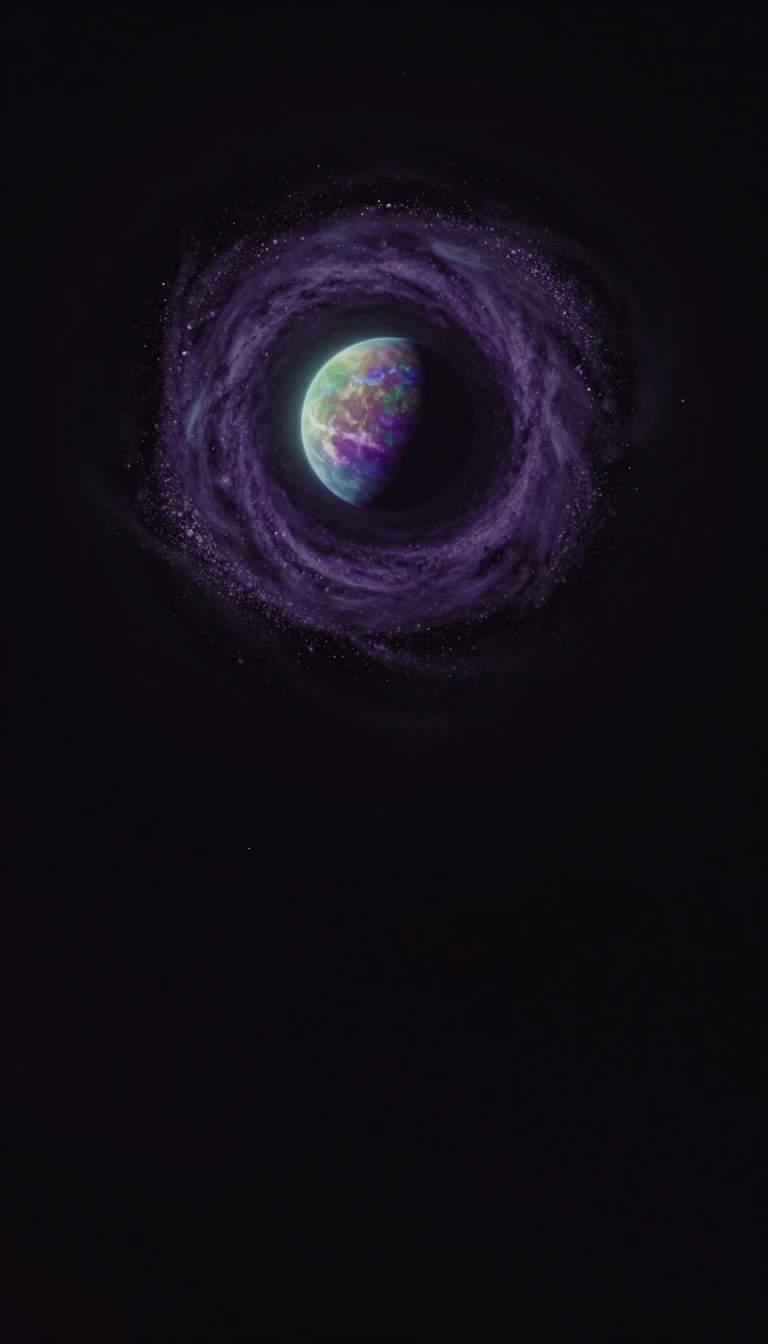
In short: We intuitively grasp size as length, area, or volume, yet this concept extends far beyond physical objects. From the microscopic Planck length to the vastness of the observable universe, size acts as a universal metric, shaping how we categorize everything from mathematical sets to the intensity of earthquakes.
At its core, size is a comparative process. Mathematically, it is an abstraction derived from measuring one object against another using a standardized unit. While we often conflate size with mass or weight, these are distinct concepts. Mass represents the amount of matter, whereas weight is the force exerted by gravity. An object maintains a constant mass regardless of its location, but its weight fluctuates depending on the gravitational pull of the environment, such as the difference between Earth, Mars, or the vacuum of space.
Human perception of size is heavily reliant on visual cues, such as depth perception and the comparison of new objects against familiar ones. This reliance can lead to size bias, where we judge the importance of things based on how easily we can observe them. When direct observation fails, we turn to instruments like microscopes or telescopes, or even auditory cues like echolocation. Interestingly, biology shows us that size is not fixed; phenomena like island gigantism or deep-sea gigantism demonstrate how environmental isolation or extreme conditions can drive species to grow significantly larger than their relatives.
Beyond the physical, size serves as a vital conceptual tool. In statistics, it denotes the error rate of a test, while in computing, it measures data storage in bytes. In abstract mathematics, size can describe the cardinality of a set or the magnitude of an object. Even in literature, we use size metaphorically to describe character traits, such as the Grinch’s heart growing three sizes. Whether measuring the 91 billion light-year diameter of the observable universe or the 1.616199(97)×10−35 meter Planck length, the concept of size remains our primary method for ranking and understanding the scale of existence.
Opens the Intellect+ feed with this card first. Swipe up for the next one.
Sources
- Summary by Intellect · source: Size
To cite this card, link to https://intellectplus.co.uk/app/science-size.
How we source, check and correct cards: Editorial standards.
General information, not professional advice. Spotted an error? Flag the card or see corrections and complaints.
Intellect Plus is a visual educational discovery platform for exploring fascinating facts and ideas. Brain Food, Not Brain Rot. What is Intellect Plus?
Related
More in Geometry · More in Science · Latest · A–Z · All topics
