Sodium perchlorate is a powerful oxidizer that can turn water into a chemical weapon.
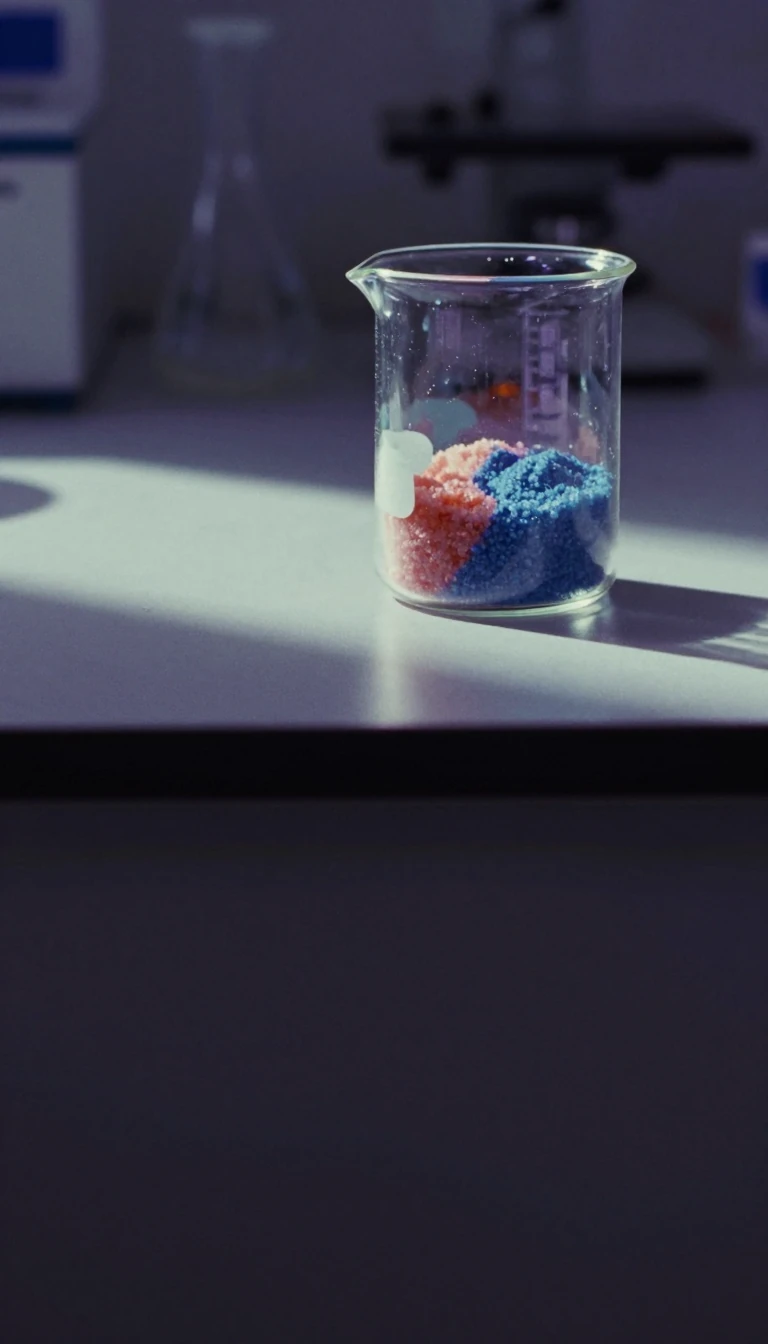
In short: This white, crystalline salt is a paradox: it is highly stable and soluble, yet it acts as a potent oxidizer that accelerates combustion. While essential for modern chemistry and rocket propellants, its ability to disrupt human thyroid function makes it a persistent environmental pollutant that demands careful handling.
Sodium perchlorate (NaClO4) is a white, hygroscopic crystalline solid known for its exceptional water solubility. It is the most soluble of the common perchlorate salts, reaching concentrations of 209 grams per 100 milliliters of water at 15 degrees Celsius. Because the perchlorate anion is kinetically inert, it often serves as a background electrolyte in laboratories, providing a non-complexing environment for chemical reactions. However, its stability is deceptive; as a strong oxidizer, it can significantly accelerate the burning of combustible materials, and when mixed with organic compounds or powdered metals, it can trigger explosive reactions.
The compound is a vital industrial precursor, serving as the starting material for other perchlorates like ammonium and potassium perchlorate, which are staples in pyrotechnics and rocketry. Industrially, it is produced through the anodic oxidation of sodium chlorate. Beyond its industrial utility, it has niche medical applications, such as blocking iodine uptake in patients with subclinical hyperthyroidism. Despite these uses, it is not metabolized by the human body and is rapidly excreted through the urinary tract.
The environmental profile of sodium perchlorate is a subject of significant concern. Its high mobility in water makes it a persistent pollutant, capable of contaminating drinking water supplies. Once ingested, the perchlorate anion competes with iodide for uptake in the thyroid gland, which can severely disrupt thyroid function. These risks have led to its gradual replacement in many laboratory settings by less hazardous counter-ions. Interestingly, the compound is not limited to Earth; spectral analysis has identified perchlorates on Mars, where they may be associated with brine seeps, potentially indicating the presence of flowing liquid water on the planet's surface.
Opens the Intellect+ feed with this card first. Swipe up for the next one.
Sources
- Summary by Intellect · source: Sodium Perchlorate
- Also: Sodium perchlorate
To cite this card, link to https://intellectplus.co.uk/app/science-sodium-perchlorate.
How we source, check and correct cards: Editorial standards.
General information, not professional advice. Spotted an error? Flag the card or see corrections and complaints.
Intellect Plus is a visual educational discovery platform for exploring fascinating facts and ideas. Brain Food, Not Brain Rot. What is Intellect Plus?
Related
More in Salts and ions · More in Science · Latest · A–Z · All topics
