How a week of sleep-deprived engineering birthed the computer that defined a generation
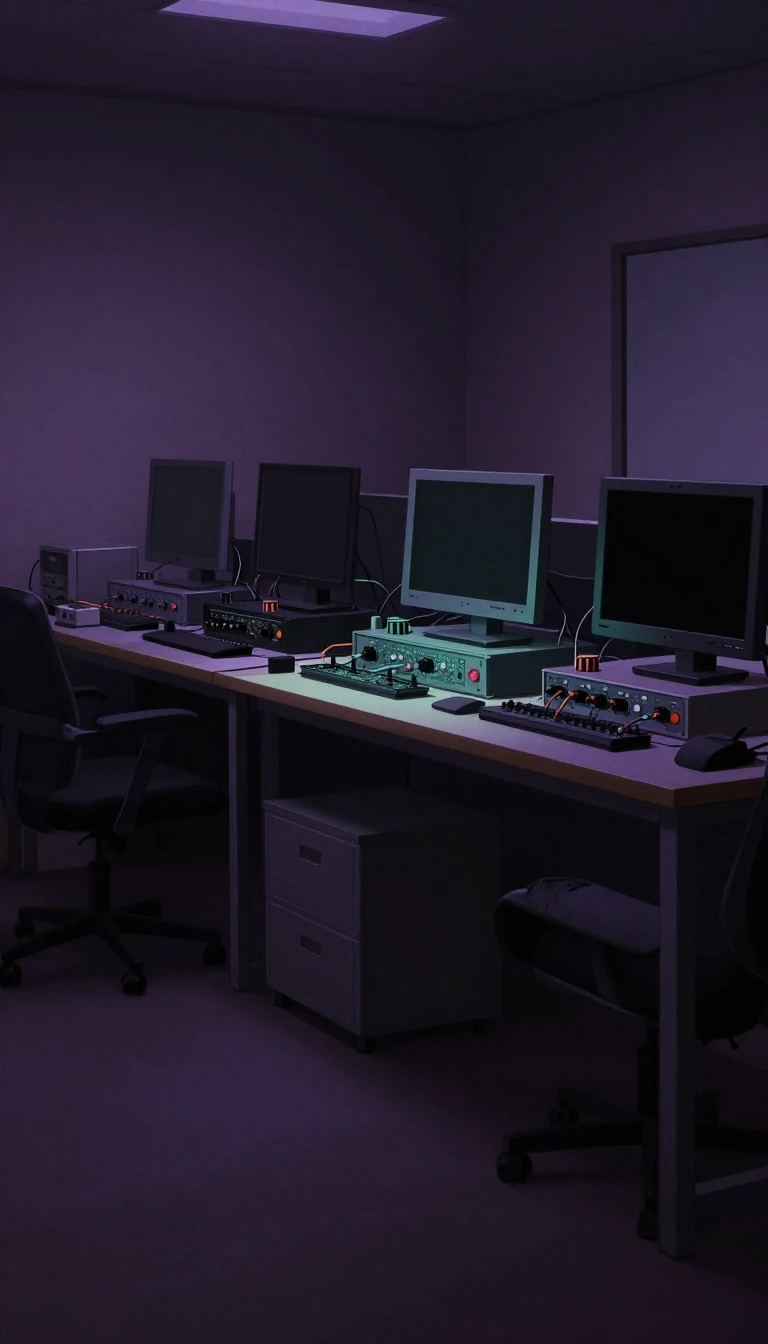
In short: In 1981, Sophie Wilson and her team at Acorn Computers were tasked with building a prototype for the BBC in just seven days. The result was the BBC Micro, a machine that sparked a national interest in programming and paved the way for the ARM architecture powering nearly every modern smartphone.
Sophie Wilson’s journey into computing began with practical, hands-on projects, including an electronic system to control cow feed during her university years. After joining Acorn Computers in 1979, she became a central figure in the company’s rapid expansion. Her technical versatility was tested in February 1981, when the BBC urgently needed a new microcomputer for an educational project. The Acorn team, including Wilson and Steve Furber, was challenged to build a functional prototype in a single week. Through a mix of intense labor, sourced Hitachi DRAM chips, and sheer determination, they succeeded, creating the Acorn Proton—later known as the BBC Micro.
The BBC Micro became a landmark in computing, largely due to Wilson’s development of BBC BASIC. She integrated advanced features like multi-line procedures and local variables, which were essential for structured programming. This project was not just a technical success but a cultural one; Wilson later reflected on the unique moment when the public was eager to learn how computers functioned. Her work on the BBC Micro’s operating system and language established a standard that influenced a generation of users.
Wilson’s influence extended far beyond the BBC Micro. In 1983, she began designing the instruction set for the Acorn RISC Machine (ARM). This architecture, which entered production in 1985, proved remarkably efficient and scalable. By 2012, ARM processors were utilized in 95% of smartphones globally. Her career continued through roles at Broadcom and numerous accolades, including the 2022 Charles Stark Draper Prize for Engineering. Wilson’s contributions, from the early days of microcomputer kits to the ubiquitous ARM architecture, remain foundational to the modern digital landscape.
Opens the Intellect+ feed with this card first. Swipe up for the next one.
Sources
- Summary by Intellect · source: Sophie Wilson
To cite this card, link to https://intellectplus.co.uk/app/science-sophie-wilson.
How we source, check and correct cards: Editorial standards.
General information, not professional advice. Spotted an error? Flag the card or see corrections and complaints.
Intellect Plus is a visual educational discovery platform for exploring fascinating facts and ideas. Brain Food, Not Brain Rot. What is Intellect Plus?
