How a tiny silicon chip triggered the revolution of the personal computer
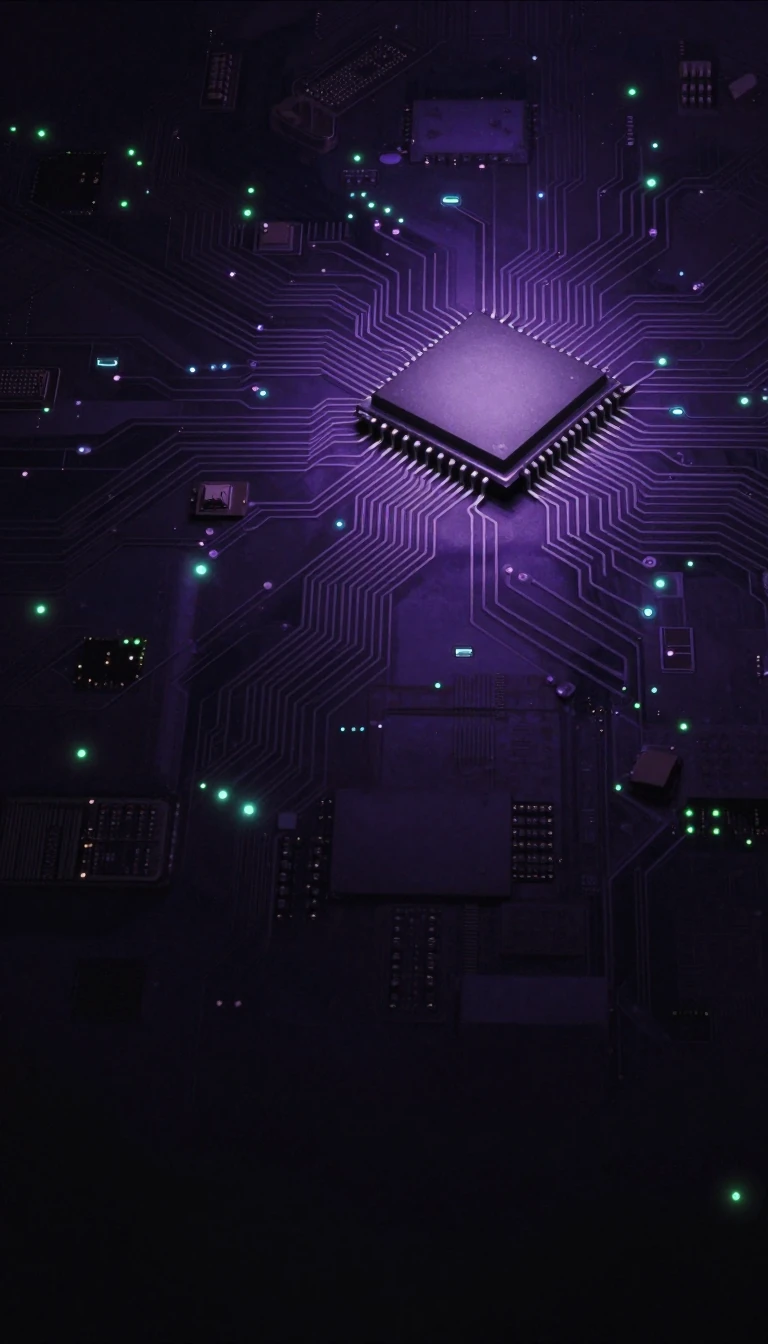
In short: Before the 1970s, computers were massive, expensive machines reserved for large organizations. The invention of the microprocessor—a central processing unit on a single chip—changed everything. This breakthrough allowed small, affordable devices to enter homes and schools, forever altering how we work, communicate, and manage our daily lives.
The microcomputer era began when large-scale integration enabled engineers to place a computer's arithmetic, logic, and control circuitry onto one semiconductor chip. While the term appeared in fiction as early as 1956, the first microprocessor-based microcomputer, the Micral N, was developed in 1973 by a French team led by François Gernelle. In the United States, the 1974 Altair 8800 became a landmark for hobbyists, though it was often sold as a kit with minimal memory and no standard input devices.
The industry matured rapidly in 1977 with the launch of preassembled machines like the Apple II, the Commodore PET, and the Tandy TRS-80. These early systems relied on eight-bit microprocessors and limited memory, yet their affordability compared to mainframes made them accessible to individuals and small businesses. The TRS-80, priced at $399, became a market leader, while the Apple II gained significant traction by hosting VisiCalc, the first electronic spreadsheet program.
IBM entered the market in 1981 with the IBM PC, which quickly became the industry standard due to its superior speed, larger memory capacity, and the backing of IBM’s massive sales network. The subsequent rise of graphical user interfaces, pioneered by Apple’s 1983 Lisa and 1984 Macintosh, transformed usability. By 1985, Microsoft Windows brought similar graphical capabilities to MS-DOS-based machines, cementing a standardized environment that persists in modern computing. Today, the definition of a microcomputer has expanded to include everything from laptops and tablets to mobile phones and industrial embedded systems.
Opens the Intellect+ feed with this card first. Swipe up for the next one.
Sources
- Summary by Intellect · source: Microcomputer | Definition, Examples, Uses, & Facts | Britannica
- Also: Microcomputer
To cite this card, link to https://intellectplus.co.uk/app/technology-microcomputer.
How we source, check and correct cards: Editorial standards.
General information, not professional advice. Spotted an error? Flag the card or see corrections and complaints.
Intellect Plus is a visual educational discovery platform for exploring fascinating facts and ideas. Brain Food, Not Brain Rot. What is Intellect Plus?
Related
More in Computing and information technology · More in Technology · Latest · A–Z · All topics
